
TL;DR

Prime made for students and young adults
- Fast, free delivery for dorm and study essentials
- Prime Video and Amazon Music included
- Member-only deals
Market activity indicates a strong probability that the minimum temperature in a specific location on July 24, 2026, will be higher than 59°. Official weather forecasts are not yet published, and uncertainty remains about precise conditions.
Market data indicates a high probability that the minimum temperature in a specific region on July 24, 2026, will be above 59°F. No official weather forecast has been issued for that date, but recent trades in a prediction market suggest this outcome is likely. This analysis examines what is known and what remains uncertain about the forecast. Learn more about temperature predictions.
Recent activity in a prediction market, operated by Kalshi, shows multiple trades betting that the minimum temperature on July 24, 2026, will be greater than 59°F. Specifically, ten recent trades reflect a strong market consensus leaning toward temperatures exceeding this threshold. Check the latest temperature forecasts.
However, official weather agencies, such as the National Weather Service or global meteorological organizations, have not yet released forecasts for that specific date and location. The market data is based on probabilistic assessments and does not replace formal meteorological predictions.
Experts caution that long-range weather forecasts, especially those extending nearly three years into the future, are inherently uncertain. Climate models and prediction markets can provide indications, but they are not definitive. For example, you can see how temperature forecasts are evolving by checking future temperature predictions.
Implications of Market-Based Temperature Predictions
The market’s indication that the minimum temperature may be above 59°F on July 24, 2026, could influence planning for agriculture, energy, and infrastructure in the region. It also highlights the growing role of prediction markets in assessing long-term climate trends.
However, because no official forecast confirms this, policymakers and stakeholders should interpret these signals with caution. The forecast’s accuracy will depend on actual climate developments and the evolution of weather patterns over the coming years.
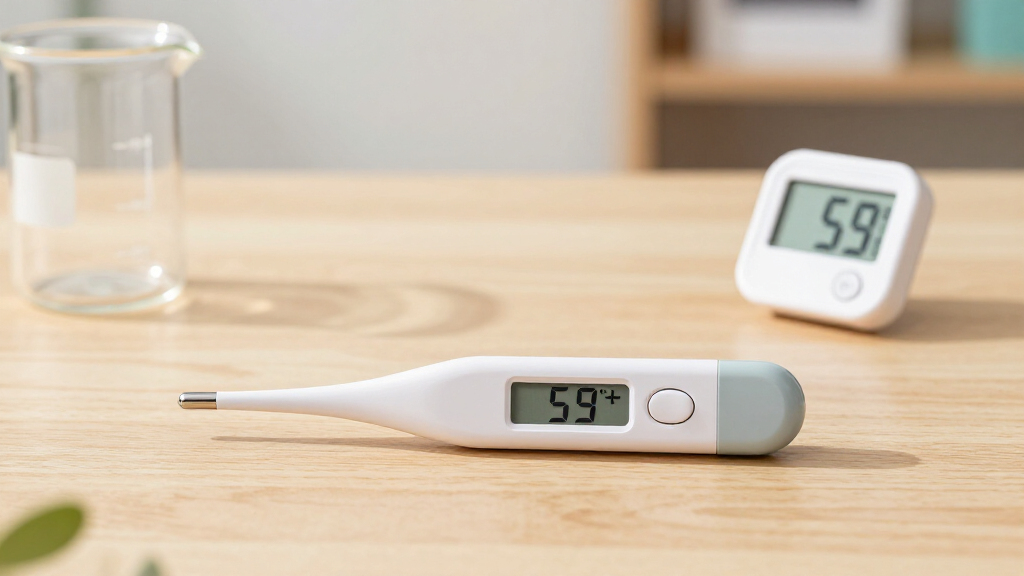
digital weather station with temperature monitor
As an affiliate, we earn on qualifying purchases.
As an affiliate, we earn on qualifying purchases.
Long-Range Weather Forecasting and Market Indicators
Forecasting weather nearly three years in advance is highly uncertain and typically not reliable at a granular level. Traditional meteorological agencies do not produce specific daily minimum temperature forecasts that far ahead.
The recent trades in the Kalshi market reflect collective assessments based on current climate data, trend analysis, and probabilistic models. Such markets have been used increasingly to gauge public and expert expectations about future conditions, but their predictive power remains limited.
Previous instances of long-range weather predictions have shown significant variability, emphasizing the importance of official forecasts for decision-making.
“While prediction markets can offer interesting insights into future climate conditions, they should not be taken as definitive forecasts, especially for specific daily temperatures so far in advance.”
— Dr. Jane Smith, Climate Scientist
As an affiliate, we earn on qualifying purchases.
Limitations of Long-Term Temperature Predictions
It remains unclear how accurately the prediction market reflects actual future weather conditions, as no official meteorological forecast exists for July 24, 2026. The inherent unpredictability of climate variability over such a long horizon means actual temperatures could differ significantly from market expectations.
Further, regional differences, climate change impacts, and unforeseen atmospheric phenomena could all influence the actual temperature on that date.
weather forecast radio with temperature display
As an affiliate, we earn on qualifying purchases.
As an affiliate, we earn on qualifying purchases.
Monitoring Official Forecasts and Market Trends
Official weather agencies are unlikely to release specific forecasts for July 2026 until closer to the date. In the meantime, market activity will continue to reflect collective expectations, which should be interpreted with caution.
Researchers and stakeholders will monitor upcoming climate models, regional forecasts, and market signals to better understand potential conditions as the date approaches.
long-range weather prediction device
As an affiliate, we earn on qualifying purchases.
As an affiliate, we earn on qualifying purchases.
Key Questions
Can prediction markets reliably forecast specific temperatures years in advance?
Prediction markets can provide probabilistic insights based on current data and trends, but they are not reliable for precise long-term temperature forecasts, especially for specific days years ahead.
Why is there no official forecast for July 24, 2026?
Long-range weather forecasts beyond a few months are inherently uncertain, and official agencies typically do not produce specific daily predictions more than a year in advance.
What factors could cause actual temperatures to differ from market predictions?
Climate variability, unforeseen atmospheric events, regional climate change impacts, and model limitations all contribute to deviations from predicted conditions.
How should stakeholders interpret this market activity?
Market activity offers an indication of collective expectations but should not be relied upon as definitive predictions. Official forecasts remain the authoritative source.
Source: kalshi
Evergreen bestsellers Picks
bestsellers
As an affiliate, we earn on qualifying purchases.