Rewilding cities means reintroducing nature into urban areas, creating spaces where wildlife can thrive alongside people. You can contribute by starting small with balcony gardens or participating in community green projects. Enhancing biodiversity improves ecological health and makes cities more resilient. With features like parks and green infrastructure, urban areas transform from concrete jungles to vibrant ecosystems. Discover how you can play a role in this exciting movement toward greener cities.
Key Takeaways
- Rewilding cities enhances urban biodiversity by creating green spaces for wildlife to thrive alongside human populations.
- Integrating green infrastructure, like green roofs and permeable pavements, improves air quality and manages stormwater effectively.
- Community engagement in local projects, such as planting native plants, fosters participation and supports urban biodiversity initiatives.
- Rewilded urban environments contribute to healthier living conditions and ecological resilience for present and future generations.
- Urban rewilding transforms concrete landscapes into vibrant ecosystems, showcasing that sustainable urban living is a practical reality.
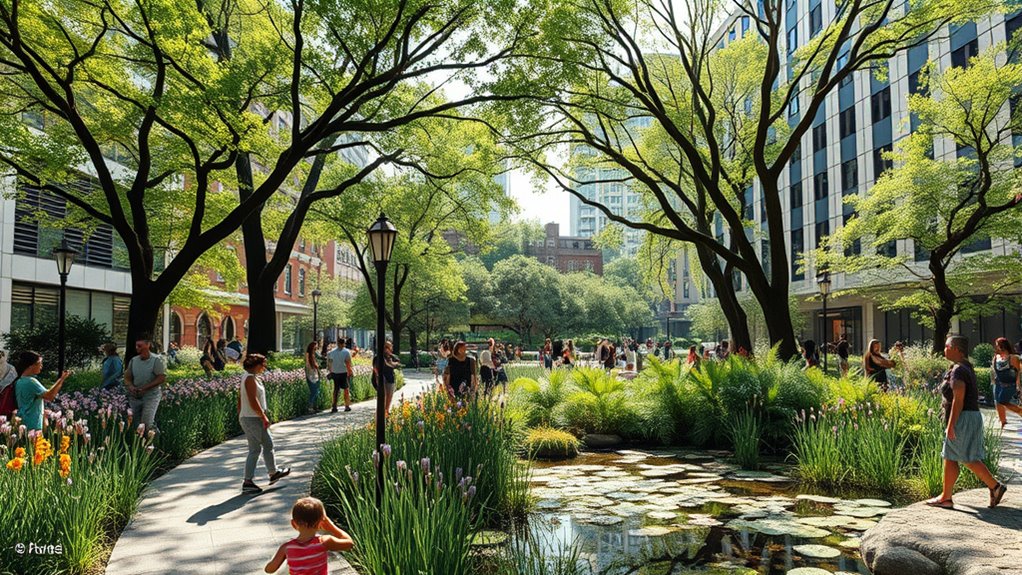
Have you ever wondered how nature could reclaim urban spaces? As cities expand and develop, it might seem like green areas vanish, but there’s a movement to reverse that trend. Rewilding cities isn’t just a dream; it’s an achievable vision that can enhance urban biodiversity and improve our quality of life. Imagine a city where wildlife thrives alongside humans, where parks, green roofs, and community gardens bring a gust of fresh air to concrete jungles.
To understand this, think about urban biodiversity. This term refers to the variety of life forms that can exist within city limits. By fostering diverse ecosystems, cities can support various species, from birds and insects to plants and small mammals. You might not realize it, but even a small balcony garden can contribute to this diversity. Every plant and flower can provide essential habitat and food for local wildlife. The more green spaces you create, the more opportunities you give nature to flourish.
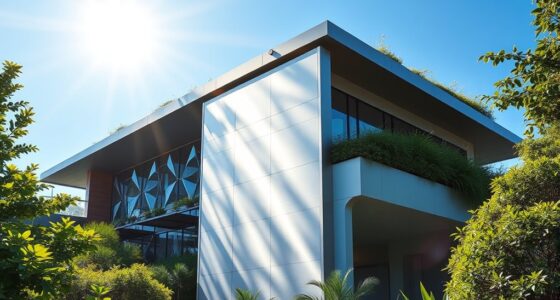
Green infrastructure plays an essential role in this rewilding effort. It involves using natural processes and systems to manage stormwater, improve air quality, and provide habitat. You can see examples of green infrastructure everywhere, from permeable pavements that allow rainwater to seep into the ground to green walls that cool buildings and filter pollutants. By integrating these elements into urban planning, cities can become more resilient and livable. Additionally, the concept of urban biodiversity highlights how even small changes in our environment can lead to significant improvements in ecological health.
You might wonder how you can contribute to this movement. Start small by planting native plants in your yard or joining a community garden. Participate in local initiatives aimed at creating more green spaces. Advocate for policies that promote sustainable urban development, ensuring that nature isn’t an afterthought but a priority. Every effort counts, and together, these actions build momentum.
Imagine walking through a city filled with the sounds of chirping birds, buzzing bees, and rustling leaves. This isn’t just a fantasy; it’s a possibility when we embrace the concept of rewilding. As you support urban biodiversity and green infrastructure, you’re not just beautifying your surroundings; you’re also creating a healthier environment for yourself and future generations.

Tactiko Survival 15 Vegetable Seed Kit Varieties for Small Urban Garden, Balconies & Patios – Non-GMO, Heirloom – Popular USA-Grown Dwarf Seeds for Planting Vegetables – Indoor, Outdoor
SMALL SPACE FRIENDLY DWARF VARIETIES: Grow these dwarf vegetables and herbs on your apartment balcony, outdoor patio, or…
As an affiliate, we earn on qualifying purchases.
As an affiliate, we earn on qualifying purchases.
Frequently Asked Questions
What Are the Benefits of Rewilding for Urban Wildlife?
Rewilding boosts urban biodiversity, creating habitats for various species. You’ll notice more birds, insects, and small mammals thriving in green spaces. These animals contribute to ecosystem services like pollination and pest control, which benefit your community. By integrating nature into your urban environment, you enhance not only the beauty of your surroundings but also improve air quality and overall well-being. Embracing rewilding means nurturing a healthier, more vibrant urban ecosystem for everyone.
How Can Individuals Participate in Rewilding Efforts?
You can jump into rewilding efforts by channeling your inner nature enthusiast—picture yourself planting wildflowers while dressed in a bee costume! Join local volunteer programs that focus on creating green spaces and restoring habitats. Don’t forget to engage your community; host workshops or clean-up events to rally your neighbors. Together, you’ll transform your concrete jungle into a vibrant ecosystem, one native plant at a time, while making new friends along the way!
Are There Successful Examples of Rewilded Cities?
Yes, there are successful examples of rewilded cities. For instance, Singapore’s Gardens by the Bay showcases urban biodiversity through innovative green infrastructure, blending nature with urban life. Another notable example is the High Line in New York City, where a former railway has transformed into a vibrant green space, promoting wildlife and community engagement. These projects highlight how integrating nature into urban environments can enhance both biodiversity and residents’ quality of life.
What Challenges Do Cities Face in Rewilding Initiatives?
Cities face significant challenges in rewilding initiatives, with over 70% of urban areas lacking green spaces. Effective urban planning is vital, as it must balance development with natural habitats. Engaging the community is equally important; without their support, projects often stall. Resistance can arise from concerns about maintenance costs and land use conflicts. You’ll need to address these issues collaboratively to create sustainable and vibrant green spaces in your city.
How Does Rewilding Impact Local Economies?
Rewilding can positively impact local economies by boosting urban tourism and increasing property values. When you introduce green spaces and natural habitats, visitors are drawn to explore these areas, creating new business opportunities. As the environment improves, neighborhoods become more desirable, which often raises property values. You’ll notice that communities with thriving nature tend to attract more investments, enhancing the overall economic landscape and fostering a healthier, more vibrant urban environment.

Essential Green Roof Construction: The Complete Step-by-Step Guide (Sustainable Building Essentials Series, 12)
As an affiliate, we earn on qualifying purchases.
As an affiliate, we earn on qualifying purchases.
Conclusion
In the symphony of urban life, let nature reclaim its rightful notes. By rewilding our cities, you’re not just planting trees or creating green spaces; you’re weaving a vibrant tapestry where biodiversity thrives. Imagine streets adorned with wildflowers and parks teeming with life, where the hum of bees harmonizes with the city’s pulse. Embrace this movement, and watch as your surroundings transform into a lush sanctuary, breathing life into concrete jungles and inviting the wild back home.

POROUS ASPHALT PAVEMENT: Porous asphalt is an environmentally friendly tool for stormwater management.
As an affiliate, we earn on qualifying purchases.
As an affiliate, we earn on qualifying purchases.
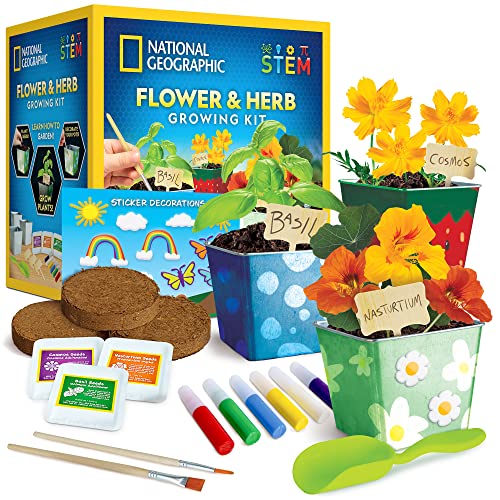
National Geographic Flower & Herb Gardening Kit for Kids – Kids Gardening Set with 3 Stainless Steel Pots, Paint & Stickers, Outdoor Toys, Craft Kits, Plant Growing Kit, Easter Basket Stuffers
GROW YOUR OWN GARDEN – With this complete set, kids will have fun decorating their pots, then planting…
As an affiliate, we earn on qualifying purchases.
As an affiliate, we earn on qualifying purchases.