Seaweed farming isn’t just about growing a crop; it’s an essential strategy for carbon capture and creating sustainable biomass. It captures carbon dioxide, fights climate change, and creates thriving habitats for marine life. Plus, it offers eco-friendly jobs and alternatives to traditional fishing. By supporting seaweed-based products, you’re helping boost an industry that promotes ocean health. Explore more about how seaweed farming contributes to a sustainable future and the various benefits it offers.

Prime made for students and young adults
- Fast, free delivery for dorm and study essentials
- Prime Video and Amazon Music included
- Member-only deals
Key Takeaways
- Seaweed farming captures significant amounts of carbon dioxide, contributing to climate change mitigation efforts.
- It serves as a sustainable biomass source for food, cosmetics, and biofuels, meeting rising market demands.
- Seaweed farms enhance marine biodiversity by creating habitats for various marine organisms, supporting ecosystem health.
- This farming practice reduces pressure on wild fish populations, promoting sustainable ocean resource management.
- Supporting seaweed products fosters industry growth and aligns consumer choices with environmental sustainability goals.
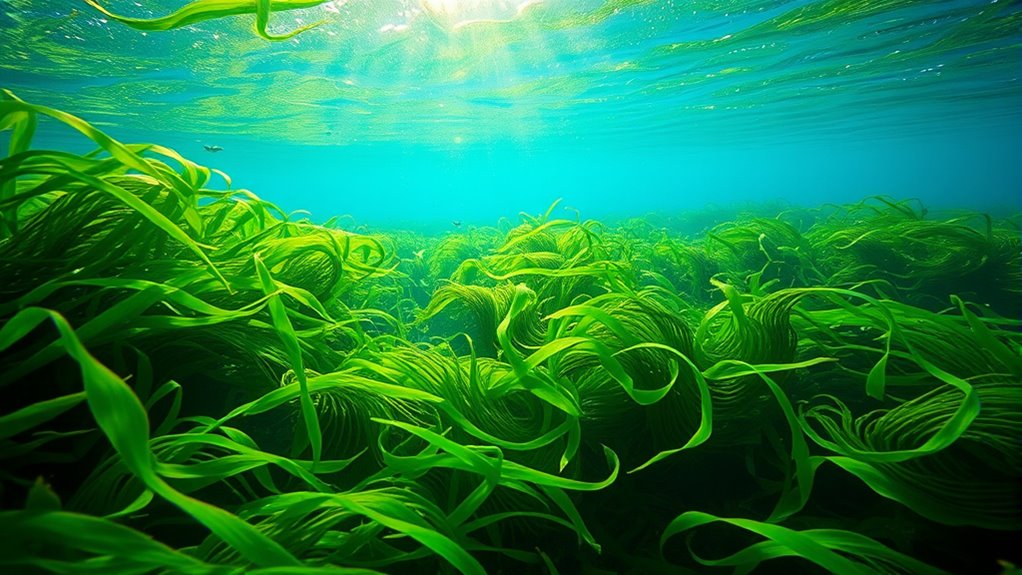
Have you ever considered the benefits of seaweed farming? If not, it’s time to immerse yourself in this growing industry that not only captures carbon but also supports marine biodiversity and offers significant economic impact. Seaweed farming is more than just a trend; it’s an essential part of sustainable ocean management. By cultivating seaweed, you’re playing a role in reducing carbon dioxide levels, which is critical in our fight against climate change.
Explore the transformative benefits of seaweed farming, a crucial player in carbon capture and marine biodiversity restoration.
One of the most remarkable aspects of seaweed farming is its ability to enhance marine biodiversity. When you create a seaweed farm, you’re not just planting crops; you’re establishing a thriving habitat for various marine species. Fish, crustaceans, and other organisms find refuge in the structures of the seaweed, which can lead to healthier ecosystems. By choosing to support seaweed farming, you’re contributing to the restoration of marine environments that have been negatively affected by overfishing and pollution.
Moreover, the economic impact of seaweed farming cannot be overlooked. The demand for seaweed has skyrocketed in recent years, driven by its applications in food, cosmetics, and even biofuels. As you engage with this industry, you’re not only creating jobs but also supporting local economies. Farmers, processors, and distributors all benefit from a robust seaweed market. This means more opportunities for communities, especially those in coastal areas where traditional fishing may be declining.
Additionally, seaweed farming can help reduce the pressure on wild fish populations. Since it provides an alternative source of income and nutrition, it encourages sustainable practices that protect marine life. Imagine being part of a movement that fosters economic growth while simultaneously ensuring the health of our oceans. It’s a mutually beneficial situation, and you can be at the forefront.
Incorporating seaweed into your diet or supporting businesses that do can further enhance this impact. Whether you’re munching on sushi, enjoying seaweed snacks, or using seaweed-based products, you’re directly contributing to this sustainable industry. Furthermore, growing awareness of renewable energy solutions is expected to drive innovation in sustainable practices, including seaweed farming.
As an affiliate, we earn on qualifying purchases.
Frequently Asked Questions
How Does Seaweed Farming Impact Local Marine Ecosystems?
Seaweed farming positively impacts local marine ecosystems by enhancing marine biodiversity and promoting ecosystem balance. As you cultivate seaweed, you provide habitats for various marine species, which can increase local fish populations. This farming practice can also help stabilize the seafloor, preventing erosion and promoting nutrient cycling. However, it is crucial to manage these farms sustainably to avoid potential negative effects, ensuring that the benefits to biodiversity and ecosystem balance are maximized.
Can Seaweed Farming Be Done in Any Coastal Area?
You can’t just farm seaweed anywhere along the coast. Environmental constraints like water temperature, salinity, and local marine life influence land suitability. Some areas might not support healthy growth or could harm existing ecosystems. Before starting, you should assess the specific conditions of your chosen location. Ensuring that the site meets the necessary environmental criteria will help you succeed in cultivating seaweed sustainably while minimizing negative impacts on the surrounding ecosystem.
What Are the Economic Benefits of Seaweed Farming for Communities?
Seaweed farming fosters fantastic financial growth for coastal communities. It creates new job opportunities and boosts local businesses, leading to significant economic growth. By diversifying income sources, you help reduce reliance on traditional fishing, making communities more resilient. Plus, as demand for seaweed products rises, farmers can tap into lucrative markets, increasing their profits. Overall, seaweed farming can transform local economies, enriching lives while promoting sustainable practices in harmony with nature.
Is Seaweed Farming Labor-Intensive or Requires Specialized Skills?
Seaweed farming isn’t overly labor-intensive, but it does require some specialized skills. You’ll need to learn various harvesting techniques, like hand harvesting or using specialized tools, which can be taught through training programs. As you gain experience, you’ll develop skills that enhance efficiency and productivity. Engaging in workshops or community initiatives can further boost your expertise, making the process easier and more rewarding while benefiting your local community.
How Does Seaweed Farming Compare to Traditional Agriculture in Sustainability?
Seaweed farming is generally more sustainable than traditional agriculture. It doesn’t require soil, so there’s no risk of soil depletion, which is a significant issue in conventional farming. Plus, seaweed needs less freshwater, reducing overall water use. This method also absorbs carbon dioxide and can enhance marine biodiversity. By opting for seaweed, you’re supporting a more eco-friendly approach, helping to mitigate climate change while providing a sustainable source of nutrition.
As an affiliate, we earn on qualifying purchases.
Conclusion
In the grand tapestry of our planet, seaweed farming is a vibrant thread weaving together sustainability and innovation. Like a hidden forest beneath the waves, it captures carbon while nurturing life, offering us a glimpse of hope in our quest for a greener future. By embracing this underwater ally, you’re not just cultivating biomass; you’re planting seeds for a healthier Earth. Immerse yourself in the potential of seaweed farming, and together, let’s chart a course toward a sustainable tomorrow.
As an affiliate, we earn on qualifying purchases.
marine habitat restoration supplies
As an affiliate, we earn on qualifying purchases.
As an affiliate, we earn on qualifying purchases.
Fall Picks
fall essentials
As an affiliate, we earn on qualifying purchases.