Waste tracking tools make sustainability more measurable by providing you with real-time data and clear insights into your waste management practices. They help you track specific metrics, identify areas for improvement, and set meaningful goals based on accurate information. By standardizing data collection, these tools guarantee reliability and facilitate benchmarking. They also promote transparency and accountability, making it easier to demonstrate progress and compliance. If you want to discover how these tools can transform your sustainability efforts, keep exploring the possibilities.

Prime made for students and young adults
- Fast, free delivery for dorm and study essentials
- Prime Video and Amazon Music included
- Member-only deals
Key Takeaways
- Enable collection and analysis of recycling data for clear insights into waste management progress.
- Provide real-time monitoring to identify waste excesses and track improvements over time.
- Standardize metrics and methods to ensure consistent, reliable data across projects.
- Facilitate measurable sustainability goals through accurate, data-driven performance metrics.
- Showcase progress with documented records, enhancing transparency, accountability, and compliance.
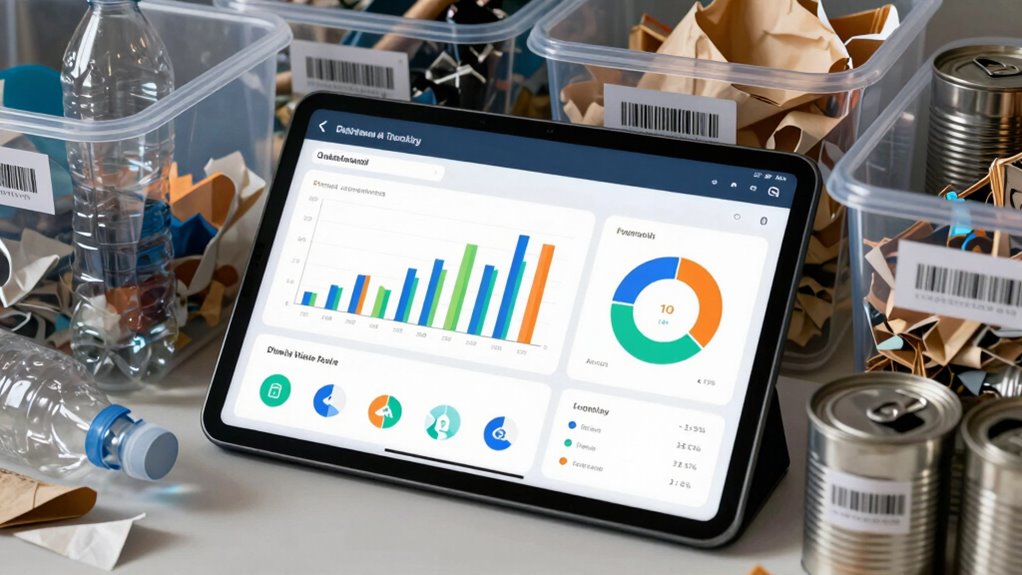
Have you ever wondered how organizations can effectively reduce waste and promote sustainability? The answer lies in the power of waste tracking tools. These tools allow you to collect and analyze recycling data, giving you a clear picture of how much waste your organization generates and how efficiently you manage resources. Without accurate data, it’s impossible to set meaningful goals or measure progress. Waste tracking tools make this process straightforward by providing real-time insights, so you can identify areas where waste is excessive and where improvements are needed. With consistent monitoring, you gain a better understanding of resource efficiency, helping you optimize processes to minimize waste production. This, in turn, supports your sustainability objectives by ensuring that resources are used more effectively, reducing unnecessary consumption, and cutting costs.
Waste tracking tools provide real-time data to reduce waste, improve resource efficiency, and support sustainability goals.
By leveraging waste tracking tools, you can turn abstract sustainability goals into measurable actions. They enable you to track specific metrics related to waste reduction, such as the volume of recyclable materials separated or the decrease in landfill-bound waste over time. This data isn’t just numbers; it’s a roadmap for actionable change. When you see recycling data clearly displayed, you can pinpoint which materials are most commonly discarded or mismanaged, allowing you to implement targeted strategies to improve recycling rates. This constant flow of information helps foster a culture of continuous improvement, where everyone understands their impact and how small changes contribute to bigger environmental benefits. Accurate data collection is essential for making meaningful progress in sustainability initiatives. Additionally, incorporating standardized metrics can help ensure consistency and comparability across different projects and organizations. Implementing consistent data collection methods further enhances the reliability of your insights and supports more effective decision-making.
Furthermore, waste tracking tools facilitate transparency and accountability within your organization. When stakeholders see tangible evidence of progress, they’re more likely to stay committed to sustainability initiatives. These tools also support compliance with environmental regulations by providing documented records of waste management practices. As you gather more recycling data over time, you can benchmark your organization’s performance against industry standards or sustainability goals, making it easier to report on your environmental impact accurately. With this level of measurable data, sustainability shifts from being a vague aspiration to a concrete, trackable outcome. Additionally, integrating these tools with regional or national waste management programs can enhance your organization’s ability to participate in broader sustainability efforts. Leveraging industry-standard metrics can further improve your benchmarking and reporting processes.
In essence, waste tracking tools make sustainability more measurable by providing the data needed to make informed decisions. They help you understand resource efficiency, reduce waste systematically, and demonstrate your environmental responsibility. Instead of guessing where improvements are possible, you have precise, actionable insights that guide your efforts. This clarity not only improves operational efficiency but also enhances your organization’s reputation as an environmentally conscious entity. When waste management becomes transparent and data-driven, sustainability isn’t just a goal — it’s a measurable, achievable outcome.
As an affiliate, we earn on qualifying purchases.
Frequently Asked Questions
How Do Waste Tracking Tools Integrate With Existing Sustainability Initiatives?
Waste tracking tools seamlessly integrate with your existing sustainability initiatives by providing precise data on waste reduction efforts. They connect with your current systems, ensuring data accuracy and real-time insights. This integration helps you identify waste hotspots, optimize resource use, and track progress toward sustainability goals. By making data more reliable and accessible, waste tracking tools empower you to make informed decisions and enhance the overall effectiveness of your sustainability strategies.
What Is the Cost-Benefit Analysis of Implementing Waste Tracking Technology?
Implementing waste tracking technology offers a positive cost-benefit balance. It boosts cost efficiency by reducing waste disposal expenses and optimizing resource use. Additionally, it minimizes environmental impact through better waste management, helping you meet sustainability goals. While initial investments may seem high, the long-term savings and improved environmental footprint make it worthwhile. Overall, the technology provides a strategic advantage by aligning financial benefits with sustainability commitments.
Can Waste Tracking Tools Be Customized for Different Industries?
Yes, waste tracking tools can be customized for different industries. You benefit from industry-specific customization, which tailors features to your unique waste management needs. The flexibility in tracking allows you to focus on relevant waste streams, monitoring metrics that matter most to your sector. This guarantees more accurate data collection, improved sustainability metrics, and easier integration into your existing processes, ultimately helping you meet industry standards and sustainability goals effectively.
How Do These Tools Ensure Data Privacy and Security?
Did you know that 84% of consumers prioritize data privacy when choosing companies? Waste tracking tools guarantee your data stays secure through robust data encryption, making it unreadable to unauthorized users. They also use strict access controls, allowing only authorized personnel to view sensitive information. These measures help protect your data privacy and security, giving you peace of mind while tracking waste and supporting sustainable practices.
What Training Is Required for Staff to Effectively Use Waste Tracking Tools?
You need to provide staff training focused on skill development to guarantee effective use of waste tracking tools. This training should cover how to input data accurately, interpret reports, and troubleshoot common issues. Regular workshops and hands-on sessions help reinforce learning, making staff more confident and efficient. By investing in ongoing skill development, you enable your team to leverage these tools fully, improving waste management and supporting your sustainability goals.
As an affiliate, we earn on qualifying purchases.
Conclusion
By using waste tracking tools, you can turn the tide on sustainability challenges and make your efforts truly count. These tools give you clear insights, helping you identify areas to improve and track progress over time. Remember, when it comes to sustainability, every little bit counts, so don’t let the grass grow under your feet. Embrace these tools, and watch your efforts blossom into meaningful change. It’s a win-win for you and the planet!
real-time waste monitoring devices
As an affiliate, we earn on qualifying purchases.
As an affiliate, we earn on qualifying purchases.
environmental compliance record keeping
As an affiliate, we earn on qualifying purchases.
As an affiliate, we earn on qualifying purchases.
Fall Picks
fall essentials
As an affiliate, we earn on qualifying purchases.