
TL;DR

Prime made for students and young adults
- Fast, free delivery for dorm and study essentials
- Prime Video and Amazon Music included
- Member-only deals
The Roomba, launched by iRobot in the early 2000s, started as a simple robot vacuum but evolved into a symbol of household robotics. Its success helped ignite a global market and changed how consumers view robots at home.
The iRobot Roomba, originally launched in 2002, is credited with starting the modern robot vacuum market and transforming consumer perceptions of household robots. Its development and subsequent success have had a lasting impact on home automation and robotics industries.
Initially designed as a simple, autonomous cleaning device, the early Roomba was a basic robot that bumped around homes, performing its task with limited sophistication. Despite its simplicity, it gained popularity due to its novelty and convenience, with many users giving their Roombas names and forming attachments. Over nearly two decades, iRobot refined the product, gradually improving its navigation, cleaning efficiency, and connectivity. The success of Roomba helped establish a new category of consumer robotics, inspiring competitors and a broader market for home robots. However, recent years have seen challenges for iRobot as competitors have entered the space and technological expectations have risen, raising questions about the future of the robot vacuum industry.
Impact of the Roomba on Consumer Robotics
The Roomba’s success marked the first widespread adoption of household robots, changing consumer expectations and accelerating the development of home automation technologies. It demonstrated that robots could be practical, affordable, and appealing, paving the way for a variety of other domestic robots and smart home devices. Its influence extends beyond cleaning, inspiring innovation and competition in the robotics industry, and shaping the future of autonomous home appliances.
As an affiliate, we earn on qualifying purchases.
Origins and Evolution of the Robot Vacuum Market
Developed by iRobot over nearly a decade, the early Roomba faced numerous technical and commercial challenges before achieving market success. Launched in 2002, it was among the first robotic devices targeted at consumers, competing with traditional vacuum cleaners. The product’s gradual improvements in navigation, battery life, and connectivity helped expand its appeal. The market grew rapidly in the 2010s, with many companies entering the space, but iRobot maintained a leading position until recent competitive pressures emerged. The story of the Roomba is also intertwined with broader trends in robotics, AI, and smart home technology, which continue to evolve today.
“The Roomba was a game-changer because it proved that consumers were willing to adopt autonomous robots for everyday tasks.”
— an anonymous researcher
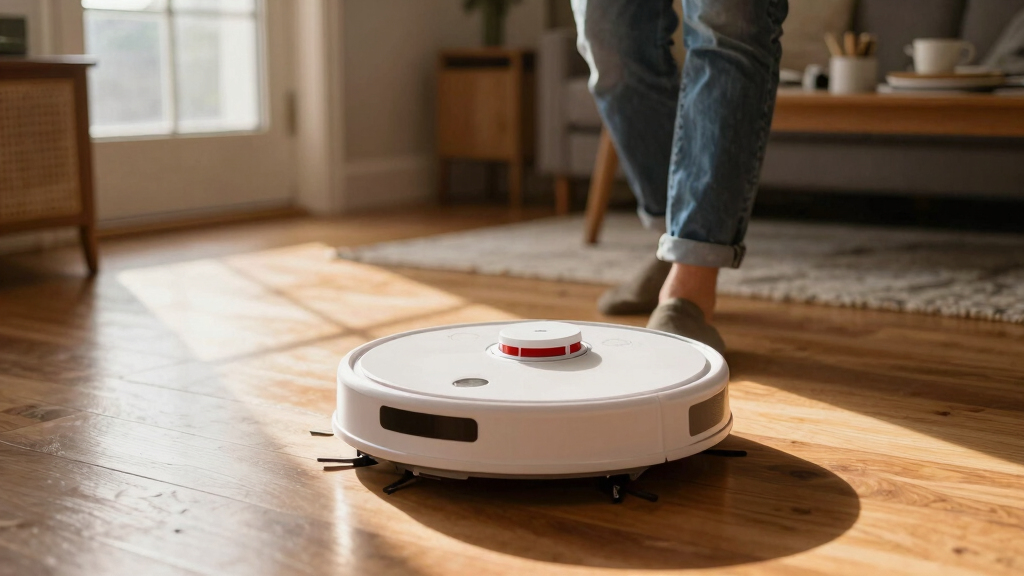
smart robot vacuum with navigation
As an affiliate, we earn on qualifying purchases.
As an affiliate, we earn on qualifying purchases.
Uncertain Future of the Robot Vacuum Industry
While the Roomba pioneered the market, it is still unclear how current competitive pressures, technological advancements, and consumer expectations will shape the future of robot vacuums. Recent challenges faced by iRobot, including increased competition and technological shifts, raise questions about the industry’s trajectory and the company’s ability to maintain its leadership position.
As an affiliate, we earn on qualifying purchases.
Next Steps for Home Robotics and Industry Leaders
Industry experts anticipate ongoing innovation in navigation, AI, and connectivity to enhance robot vacuum performance. iRobot and competitors are expected to release new models with smarter features, while regulatory and market dynamics could influence future growth. The evolution of the robot vacuum market will likely mirror broader trends in home automation and AI integration.
As an affiliate, we earn on qualifying purchases.
Key Questions
How did the Roomba influence the development of home robotics?
The Roomba demonstrated that autonomous robots could be practical and appealing for everyday household tasks, inspiring industry growth and innovation in home automation.
What challenges does iRobot face today?
iRobot faces increased competition from other tech companies, rising consumer expectations for smarter features, and potential regulatory changes affecting robotics and data privacy.
Will robot vacuums replace traditional vacuum cleaners?
While robot vacuums have become popular for convenience, they are generally seen as complements rather than complete replacements for traditional vacuum cleaners, especially for heavy-duty cleaning.
What technological advancements are expected in future robot vacuums?
Future models are expected to include improved navigation, AI-driven obstacle avoidance, better connectivity, and integration with smart home systems.
Source: The Verge
Evergreen bestsellers Picks
bestsellers
As an affiliate, we earn on qualifying purchases.