
TL;DR

Prime made for students and young adults
- Fast, free delivery for dorm and study essentials
- Prime Video and Amazon Music included
- Member-only deals
The 1926 Miami hurricane marked a pivotal moment in hurricane history. A century later, advances in forecasting have significantly improved warning systems, though challenges remain. This anniversary highlights both progress and ongoing research needs.
One hundred years after the event known as the Great Miami Hurricane of 1926, experts and climate scientists are reflecting on a century of advancements in hurricane forecasting and research. The anniversary underscores both the progress made in predicting these storms and the ongoing challenges that remain in accurately forecasting their intensity and path, which continue to inform efforts to protect communities.
The 1926 Miami hurricane struck Florida on September 18, 1926, causing widespread destruction and loss of life. It was one of the most intense hurricanes to hit the region at the time, with an estimated category 4 or higher intensity. The storm’s unexpected severity and the limited forecasting capabilities of the era contributed to the high death toll and property damage.
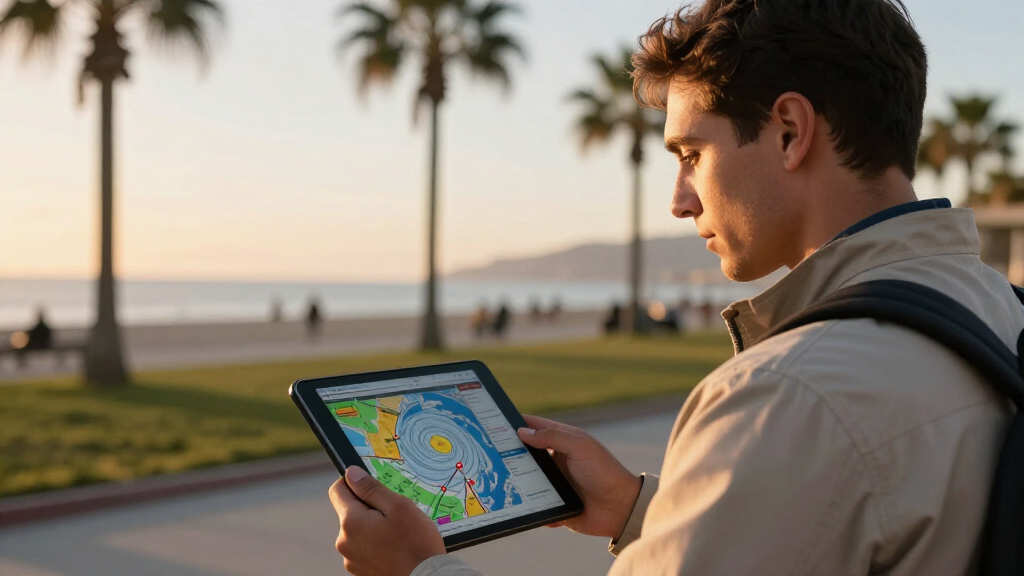
Since then, hurricane forecasting has undergone transformative changes. The development of satellite technology in the 1960s revolutionized storm tracking, enabling meteorologists to monitor storms in real time. Advances in computer modeling in the late 20th century further improved predictions of storm paths and intensities. Today, agencies like NOAA utilize sophisticated models, satellite data, and improved understanding of atmospheric dynamics to issue earlier and more accurate warnings.
Despite these advancements, challenges persist. Predicting rapid intensification, storm surge impacts, and accurately forecasting long-term storm tracks still involve uncertainties. The 1926 hurricane remains a benchmark for understanding the importance of early warning systems and the ongoing need for research to improve forecast accuracy and resilience planning.
Why the 1926 Hurricane Anniversary Matters Today
This centennial serves as a reminder of the importance of early forecasting in saving lives and reducing economic losses. It highlights how technological progress has transformed disaster preparedness, but also emphasizes the need for continued investment in research. As climate change potentially increases storm intensity and frequency, understanding past storms like the 1926 hurricane provides valuable lessons for future risk mitigation.
As an affiliate, we earn on qualifying purchases.
Historical Impact and Evolution of Hurricane Forecasting
The 1926 Miami hurricane struck during a period when meteorology was still developing, with limited tools for storm prediction. Its destruction prompted greater attention to storm tracking and forecasting, leading to the first systematic efforts to improve warning systems. The subsequent decades saw the introduction of radio and later satellite technology, which dramatically enhanced storm monitoring capabilities.
In recent years, climate research has linked increased storm activity to global warming, prompting scientists to refine models and improve predictive accuracy. The anniversary marks a milestone in this ongoing journey, illustrating how far forecasting has come and the persistent gaps that remain.
As an affiliate, we earn on qualifying purchases.
Unresolved Challenges in Hurricane Prediction
While forecasting has improved significantly, uncertainties remain in predicting rapid intensification, storm surge levels, and long-term storm tracks. The influence of climate change on storm frequency and severity adds complexity to predictive models. Ongoing research aims to address these uncertainties and improve forecast reliability.
As an affiliate, we earn on qualifying purchases.
Future Directions in Hurricane Forecasting and Research
Researchers are exploring the integration of machine learning with existing models to improve prediction accuracy. Upgrades to satellite systems and increased deployment of ocean sensors aim to enhance real-time data collection. Continued refinement of models and understanding of climate impacts are expected to support more resilient infrastructure planning and early warning systems in the coming years.
As an affiliate, we earn on qualifying purchases.
Key Questions
Why was the 1926 Miami hurricane so destructive?
The storm’s unexpected strength and limited forecasting tools at the time led to insufficient warnings, resulting in high casualties and widespread damage.
How has hurricane forecasting improved since 1926?
Technologies such as satellites, computer modeling, and real-time data collection have dramatically enhanced prediction accuracy and lead times, saving lives and property.
What are the ongoing challenges in forecasting hurricanes?
Predicting rapid intensification, storm surge, and long-term paths remain difficult, especially as climate change influences storm behavior.
How does climate change affect hurricane activity?
Climate change is linked to increased sea surface temperatures, which can lead to more intense and possibly more frequent storms, complicating forecasting efforts.
What is the significance of this anniversary for future research?
It underscores the importance of continued innovation in meteorology and climate science to better anticipate and mitigate storm impacts.
Source: primary
Fall Picks
fall essentials
As an affiliate, we earn on qualifying purchases.