
TL;DR

Prime made for students and young adults
- Fast, free delivery for dorm and study essentials
- Prime Video and Amazon Music included
- Member-only deals
This article explores the history of toll roads in the United States before electronic toll collection systems like E-ZPass. It covers early methods, technological advances, and the transition to modern systems, emphasizing their impact on transportation and infrastructure.
The history of U.S. toll roads predates electronic payment systems like E-ZPass by over a century, beginning with manual toll collection methods in the 19th century. This evolution reflects broader changes in transportation infrastructure and technological innovation, making it a significant chapter in American mobility history.
Early toll roads in the United States emerged in the 1800s, primarily as private ventures aimed at funding road construction and maintenance. These roads relied on manual toll collection, often involving toll booths where attendants collected fees from travelers. The system was initially administered by private companies or local governments, with toll rates varying by region and road quality.
In the early 20th century, with the rise of automobiles, toll roads expanded rapidly across the country. This period saw the introduction of more standardized toll collection methods, including the use of coin-operated booths and manual ticketing. The Federal Aid Highway Act of 1956, which funded the Interstate Highway System, also influenced toll road development, although many interstates were built as toll-free routes.
By the mid-20th century, toll collection technology advanced to include electronic systems such as magnetic stripe cards and early RFID-based tags. These innovations aimed to streamline toll collection, reduce congestion, and improve efficiency. However, widespread adoption was slow, and many toll roads continued to rely on traditional manual methods well into the late 20th century.
The introduction of E-ZPass in the 1990s marked a major shift, offering a standardized, interoperable electronic toll collection system that revolutionized tolling in the U.S. Today, most toll roads utilize electronic systems, but their roots lie in these early manual and semi-automated methods.
The Impact of Toll Road Evolution on U.S. Infrastructure
The development of toll roads reflects broader trends in infrastructure funding, technological progress, and transportation policy. Understanding this history helps explain current tolling practices and the ongoing transition to fully electronic systems. It also highlights how innovations in toll collection have shaped traffic flow, revenue management, and roadway maintenance, ultimately influencing American mobility and economic growth.
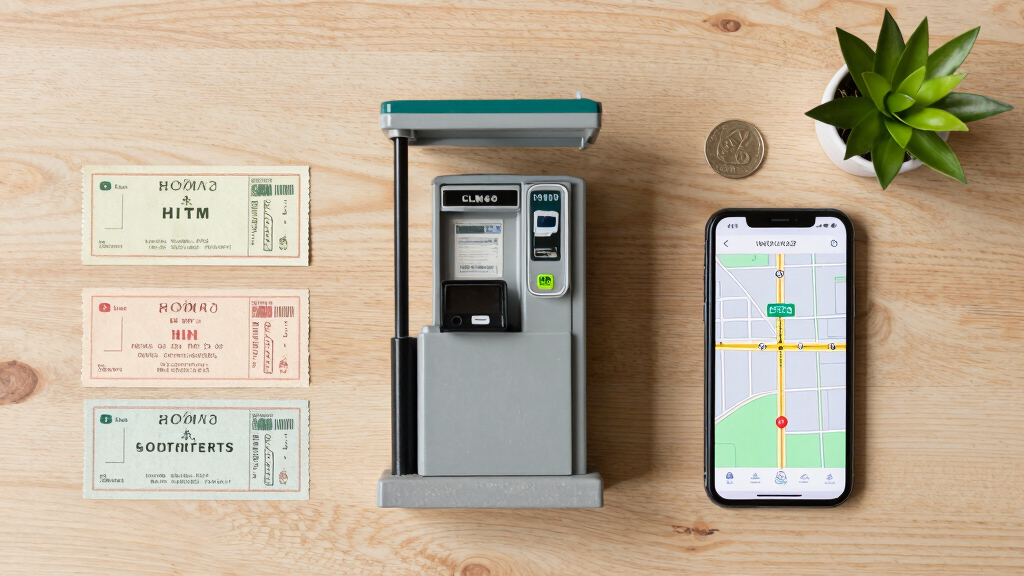
manual toll booth coin collection kit
As an affiliate, we earn on qualifying purchases.
As an affiliate, we earn on qualifying purchases.
Early Toll Roads and Technological Progress in the U.S.
In the 19th century, toll roads were primarily private enterprises, often funded by tolls collected at manual booths. These roads facilitated regional commerce and travel but faced challenges like toll evasion and slow collection processes. As automobiles became more common in the early 20th century, demand for faster toll collection grew, prompting technological innovations.
Throughout the mid-1900s, toll collection methods evolved from manual cash collection to the adoption of magnetic stripe cards and RFID tags. These changes aimed to reduce congestion and improve efficiency, setting the stage for the electronic tolling systems that would emerge in the late 20th century. The establishment of the Interstate Highway System in 1956 was a key milestone, although most interstates remained toll-free, with exceptions like the New Jersey Turnpike and Pennsylvania Turnpike.
“The transition from manual toll booths to electronic systems marked a significant milestone in transportation history.”
— an anonymous researcher
As an affiliate, we earn on qualifying purchases.
Unresolved Aspects of Toll Road Development
While the broad timeline of toll road development is clear, specific details about the earliest toll collection methods and regional variations are still being studied. Additionally, the impact of early toll road policies on modern tolling practices remains a topic of ongoing research. It is not yet confirmed how widespread certain early technologies were or how they influenced later systems like E-ZPass.
As an affiliate, we earn on qualifying purchases.
Future Trends in Toll Collection Technology
As electronic tolling continues to evolve, future developments may include greater integration with autonomous vehicles and broader use of digital payment methods. Researchers and policymakers are examining ways to further improve efficiency, reduce costs, and enhance user convenience, building on the historical foundation of toll road innovations.
As an affiliate, we earn on qualifying purchases.
Key Questions
When did toll roads first appear in the United States?
Toll roads in the U.S. first appeared in the 1800s as private ventures funded by toll collection at manual booths.
How did toll collection methods evolve over time?
Initially, tolls were collected manually at booths, then progressed to coin-operated systems, magnetic stripe cards, RFID tags, and finally, electronic systems like E-ZPass.
What role did the Interstate Highway System play in toll road development?
The 1956 Federal Aid Highway Act funded the Interstate System, which included both toll and toll-free routes, influencing toll road expansion and modernization.
Why was E-ZPass a significant development?
E-ZPass introduced a standardized, interoperable electronic toll collection system that greatly improved efficiency and convenience for travelers.
Are manual toll collection methods still used today?
While most toll roads now use electronic systems, some regions still operate manual toll booths, especially in less urbanized areas.
Source: rss
Fall Picks
fall essentials
As an affiliate, we earn on qualifying purchases.