TL;DR

Prime made for students and young adults
- Fast, free delivery for dorm and study essentials
- Prime Video and Amazon Music included
- Member-only deals
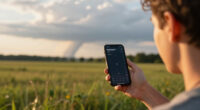
A tornado warning indicates a tornado is imminent or occurring, while a tornado watch means conditions are favorable for tornadoes. Clarifying these terms can improve safety responses during storms.
Authorities issued a tornado warning in several regions after confirmed tornado sightings, while a tornado watch remains in effect across broader areas where conditions are favorable for tornado development. This distinction is crucial for public safety, as warnings demand immediate action, whereas watches serve as alerts for potential danger.
A tornado warning is issued when a tornado has been sighted or indicated by radar, prompting residents to seek shelter immediately. Conversely, a tornado watch is issued when conditions are conducive to tornado formation, but no tornado has been confirmed. Currently, multiple regions are under warnings following recent sightings and radar confirmation, while surrounding areas are under watches due to ongoing weather assessments. Local officials and the National Weather Service emphasize the importance of understanding these alerts to respond appropriately and stay safe during severe weather events.In the affected areas, emergency services have activated response plans, and residents are advised to monitor local alerts and seek shelter if a warning is issued. The National Weather Service continues to track weather conditions and will update the public as new information becomes available.Why Clarifying Tornado Alerts Matters for Public Safety
Understanding the difference between a tornado warning and a tornado watch can be lifesaving. Warnings require immediate shelter and action, while watches signal the need for preparedness and vigilance. Misinterpreting these alerts could delay protective measures during critical moments. Accurate public response based on these distinctions can reduce injuries and fatalities during severe storms, making proper comprehension essential for community safety.
As an affiliate, we earn on qualifying purchases.
Recent Severe Weather and Tornado Alert Protocols
Severe weather outbreaks have increased in frequency and intensity across the US in recent years. The National Weather Service issues warnings and watches as part of standard protocols to inform the public. The distinction between the two has been emphasized in recent public safety campaigns, especially as tornadoes become more unpredictable due to changing climate patterns. The current situation follows a series of storm systems that prompted multiple warnings and watches across several states in the past 48 hours.
As an affiliate, we earn on qualifying purchases.
Unconfirmed Tornado Sightings and Weather Developments
It is not yet clear how many tornadoes have been confirmed in the recent storm system, as investigations are ongoing. The exact areas that will be affected by future warnings remain uncertain, pending further radar analysis and ground reports. Weather models continue to evolve, and authorities are monitoring the situation closely to determine if additional warnings will be issued.
storm warning radio with NOAA alerts
As an affiliate, we earn on qualifying purchases.
As an affiliate, we earn on qualifying purchases.
Monitoring and Future Alerts During Ongoing Storms
The National Weather Service will continue to monitor weather conditions and update the public as new information becomes available. Residents in affected areas should stay alert to local alerts, have emergency plans ready, and follow official guidance. Additional warnings or watches could be issued as storms develop or intensify, and authorities emphasize the importance of timely action based on current alerts.
As an affiliate, we earn on qualifying purchases.
Key Questions
What should I do if I receive a tornado warning?
If a tornado warning is issued in your area, seek shelter immediately in a basement or an interior room away from windows. Protect yourself from debris and stay informed through NOAA Weather Radio or local alerts until the warning is lifted.
How is a tornado watch different from a warning?
A tornado watch indicates that conditions are favorable for tornadoes and that residents should stay alert and prepared. A tornado warning means a tornado has been sighted or indicated by radar, requiring immediate action and shelter.
Can a tornado occur without a warning?
Yes, tornadoes can sometimes occur without a warning, especially if they form rapidly or are not detected by radar in time. That’s why it’s important to stay vigilant during severe weather, even if no alerts are active.
How often are tornado warnings and watches issued?
The frequency varies depending on weather patterns. During active storm seasons, warnings and watches may be issued multiple times a day across different regions. The National Weather Service provides updates as conditions change.
Source: google-trends
Halloween Picks
halloween
As an affiliate, we earn on qualifying purchases.