TL;DR

Prime made for students and young adults
- Fast, free delivery for dorm and study essentials
- Prime Video and Amazon Music included
- Member-only deals
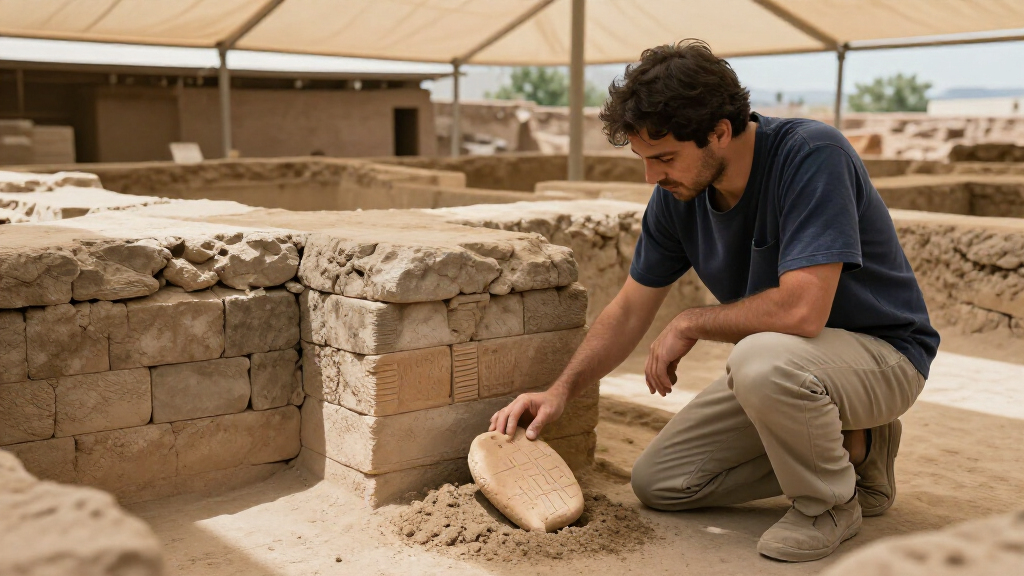
Archaeologists excavating the ancient Hittite city of Samuha in central Turkey recovered 131 cuneiform tablets and fragments this season. The texts, dating to King Tudhaliya II’s reign and written in Hittite and Hurrian, include accounts of a fever epidemic, military requests, royal funerary rites and religious divination.
Archaeologists excavating the ancient Hittite city of Samuha in central Turkey have uncovered 131 cuneiform tablets and fragments, with records of royal life, military logistics, illness and religious practice from about 3,400 years ago. The texts date to the reign of King Tudhaliya II and are written in Hittite and Hurrian, offering new primary evidence about the government and religious administration of the Hittite kingdom.
The new finds include more than twice the number of tablets and fragments recovered at Samuha in the previous excavation season, when archaeologists found 53 pieces. The source report describes the combined material as the most extensive Hittite-language archive found in the 21st century. The newly uncovered texts address several aspects of life at the royal center rather than a single subject, including correspondence, rituals, prayers and divination.
One tablet records the illness and death of a nursing-age daughter of the king during a fever epidemic, followed by the funerary ritual performed after her death. The texts also show that the health of royal children and children of high-ranking officials received attention. According to the report, Hittite religious leaders performed rituals to monitor or protect children’s health because illness was understood as connected to divine will.
Another document is a letter from Hittite generals serving in western Anatolia. They ask the king for more soldiers, horses and chariots, warning that their forces could be defeated without reinforcements and disclaiming responsibility for a possible failure if support did not arrive. The report says the letter places Tudhaliya II at Samuha when it reached him. A separate record follows bird diviners travelling from the city, noting their routes, overnight stops and observations of birds.
What the Tablets Reveal About Rule
The archive offers researchers written accounts that connect decisions at the royal court with events far beyond it. The generals’ appeal documents the practical demands of maintaining forces at a distance, including the need to move people, horses and chariots. Its account of a message reaching the king at Samuha also adds evidence for the city’s role as a royal stronghold during a period of military and political upheaval.
The texts also preserve evidence of how religious practice shaped everyday governance. A record of a royal child’s illness and funeral, alongside accounts of divination and ritual, shows that the administration’s concerns extended beyond military affairs. The bird-diviners’ itinerary may help scholars study how omens were gathered and interpreted, while the range of Hittite and Hurrian documents can support research into language and scribal practice.
These are ancient records, not a complete account of events. Their value lies in adding specific details to what researchers can reconstruct about royal decision-making, religious administration and communication across the Hittite realm.
As an affiliate, we earn on qualifying purchases.
Samuha’s Place in the Hittite Kingdom
Samuha was an important Hittite city in what is now Sivas province in central Turkey. The source report describes it as a royal center associated with Tudhaliya II and a major site of religious administration. It was linked to the goddess Sauska, a Hurrian deity associated with love and war and identified in the report with Ishtar. Religious ceremonies connected to the goddess formed part of the city’s identity.
The city remained significant after Tudhaliya II’s reign. His successor, Suppiluliuma I, used Samuha as a base for military campaigns that expanded and consolidated Hittite territory, according to the report. The newly found letter and religious texts add detail to this established picture of the city as both a political and ceremonial center. The tablets date to roughly 3,400 years ago; the excavation report does not provide a more precise date for each document.
Ancient Near Eastern language learning kit
As an affiliate, we earn on qualifying purchases.
As an affiliate, we earn on qualifying purchases.
What Excavation Reports Have Not Settled
The source report does not name the excavation team or provide a full archaeological publication, images, tablet inventory or exact find locations within the site. It also does not give precise dates for the excavation season or explain how researchers established the date and attribution of each text. The reported total refers to tablets and fragments, and the material supplied does not say how many fragments may belong to the same tablet.
Translations and interpretations of individual texts may change as specialists study the objects and publish their findings. The account of the generals’ warning and the characterization of the archive’s size are relayed by the source report; readers do not have the original tablet text or a detailed comparison with other collections here. It is also not yet clear whether further excavation will uncover additional parts of the archive.
As an affiliate, we earn on qualifying purchases.
Further Study of the Samuha Archive
The next step is detailed documentation and scholarly analysis of the tablets: establishing their readings, translations, dates and relationships to texts already known from Samuha and other Hittite sites. Researchers can then compare the medical, military and ritual records to build a clearer picture of how the royal court received information and organized religious and state affairs.
The supplied report does not announce a publication schedule or the next excavation date. Further updates would clarify how many distinct documents the 131 finds represent, where they were recovered and whether the excavations will continue to expand the archive.
As an affiliate, we earn on qualifying purchases.
Key Questions
Where were the tablets found?
They were found at Samuha, an ancient Hittite city in modern-day Sivas, central Turkey.
How many tablets and fragments were recovered?
The latest excavation season recovered 131 tablets and fragments. The previous season yielded 53, according to the source report.
What do the texts describe?
The texts cover royal life, a fever epidemic and funerary rites, requests for military reinforcements, religious rituals, prayers and bird divination. They are written in Hittite and Hurrian.
Who ruled when the documents were written?
The archive’s records are reported to date to the reign of King Tudhaliya II, about 3,400 years ago. Exact dates for individual tablets have not been supplied.
What remains unknown about the discovery?
The available report does not give a full excavation publication, exact find locations, complete translations or a schedule for further work. It is also unclear how many separate documents are represented by the fragments.
Source: hn
Fall Picks
fall essentials
As an affiliate, we earn on qualifying purchases.