
TL;DR

Prime made for students and young adults
- Fast, free delivery for dorm and study essentials
- Prime Video and Amazon Music included
- Member-only deals
Tornado watches and warnings are critical weather alerts that inform the public about potential or imminent tornado threats. This article explains their differences, confirmed facts, and why understanding them can save lives.
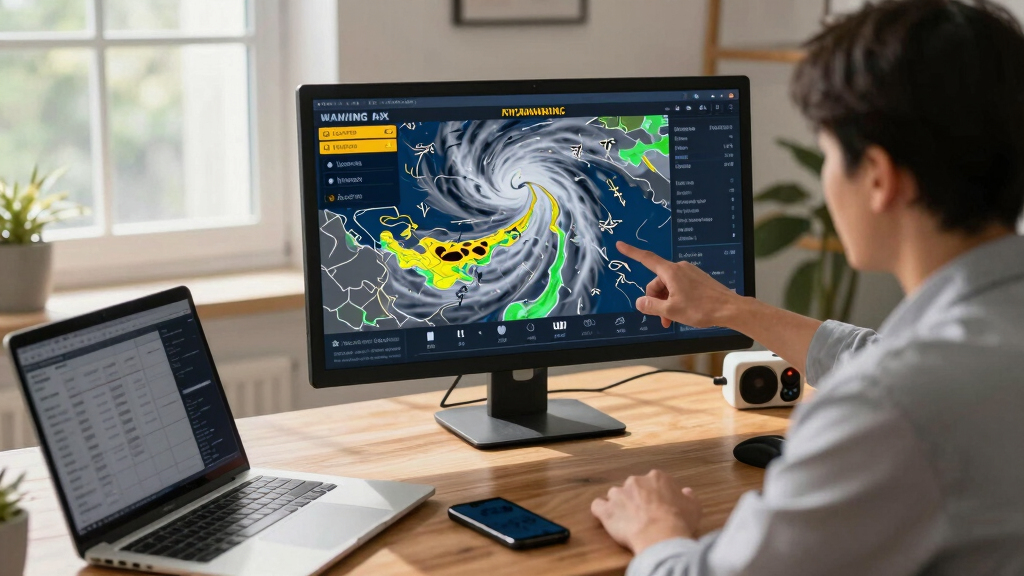
The National Weather Service issued a tornado watch earlier today for several regions, which was subsequently upgraded to a tornado warning in some areas as severe weather conditions persisted. This development underscores the importance of understanding these alerts, as they directly impact public safety during severe storms, such as Tornado Watch.
A tornado watch indicates that weather conditions are favorable for tornado formation in the specified area, but no tornado has been confirmed yet. It is a precautionary alert meant to prepare residents to stay alert and monitor updates.
In contrast, a tornado warning signifies that a tornado has been sighted or detected by radar in the area. It requires immediate action, such as seeking shelter, to protect oneself from imminent danger.
Today’s alerts originated from the National Weather Service as a result of severe thunderstorms developing in the region, with some areas experiencing confirmed tornado sightings, prompting the upgrade from watch to warning. Officials emphasize the importance of paying close attention to local weather updates during such events.
Why Clear Communication of Tornado Alerts Matters
Understanding the difference between a tornado watch and warning is vital for public safety. A watch signals potential risk, encouraging preparedness, while a warning indicates immediate danger requiring urgent action. Misinterpreting these alerts could lead to delayed responses and increased risk of injury or death during tornado events.
Officials stress that timely, accurate communication helps communities respond effectively, potentially saving lives. As severe weather becomes more unpredictable, public awareness of these distinctions is increasingly important for effective safety measures.
As an affiliate, we earn on qualifying purchases.
Historical and Current Tornado Alert Practices
The National Weather Service has used the watch and warning system for decades to communicate tornado risks. Historically, these alerts have evolved alongside advances in meteorological technology, allowing for more precise forecasting.
Recent severe weather outbreaks, including those in 2023, have highlighted the importance of public understanding of these alerts. The distinction between watch and warning remains a cornerstone of emergency communication, aiming to reduce casualties and property damage during tornado events.
“During a watch, residents should stay alert and monitor weather updates. When a warning is issued, immediate action is essential to stay safe.”
— Severe weather expert Dr. Lisa Carter
As an affiliate, we earn on qualifying purchases.
Current Status of Tornado Threats and Future Developments
While the National Weather Service has issued warnings in some areas, it is still unclear how many tornadoes have formed or will form in the coming hours. The exact path and intensity of the storms remain uncertain, and updates are ongoing.
Weather models are continuously being refined, but rapid changes in storm behavior mean that the situation could evolve quickly, and new warnings may be issued.
As an affiliate, we earn on qualifying purchases.
Monitoring, Alerts, and Community Preparedness Moving Forward
Residents in affected regions should continue to monitor local weather updates through official sources such as the National Weather Service and local news outlets. Authorities are expected to issue additional warnings if tornado activity persists or intensifies.
Emergency services are on alert, and communities are advised to review safety plans, identify shelter locations, and stay informed about changing weather conditions in the coming hours.
As an affiliate, we earn on qualifying purchases.
Key Questions
What is the main difference between a tornado watch and a warning?
A tornado watch indicates that weather conditions are favorable for tornadoes, but none have been confirmed yet. A tornado warning means a tornado has been sighted or detected by radar, requiring immediate action.
How should I respond when a tornado watch is issued?
Stay alert, monitor weather updates, and prepare to seek shelter if a warning is issued. Keep emergency supplies ready and review safety procedures.
What should I do if a tornado warning is issued in my area?
Seek shelter immediately in a basement or interior room away from windows. Follow local emergency instructions and stay until authorities declare it safe.
Are tornado watches and warnings accurate predictors of actual tornadoes?
While these alerts are based on sophisticated meteorological data, tornado formation can be unpredictable. Warnings are the best current method for alerting the public to immediate danger.
Will the weather alerts change as storms develop?
Yes, weather conditions are continuously monitored, and alerts may be upgraded or downgraded based on new data and storm behavior.
Source: google-trends
Halloween Picks
halloween
As an affiliate, we earn on qualifying purchases.