
TL;DR

Prime made for students and young adults
- Fast, free delivery for dorm and study essentials
- Prime Video and Amazon Music included
- Member-only deals
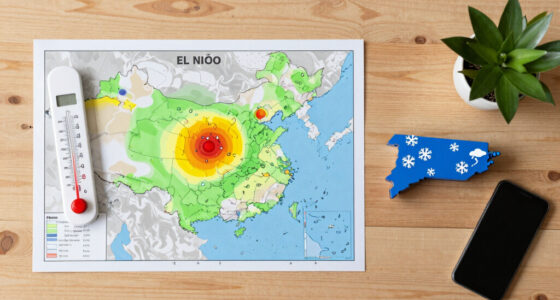
Media coverage of El Nino has surged dramatically, with reports increasing 30-fold according to GDELT data. This reflects heightened global awareness and concern about climate impacts, though the precise effects remain uncertain.
Global media coverage of El Nino has surged dramatically in recent weeks, with mentions increasing by a factor of 30 compared to baseline levels, according to the GDELT Project. This surge reflects increased media focus on the climate phenomenon, which is associated with weather and environmental impacts worldwide.
The GDELT (Global Database of Events, Language, and Tone) analysis indicates that media outlets across multiple regions are discussing El Nino at unprecedented levels. The spike was first noted in early October 2023 and has continued to grow, suggesting a global shift in attention towards the phenomenon. Experts say this increase in coverage is likely driven by emerging climate patterns, early weather anomalies, and growing scientific and governmental concern about the potential impacts of El Nino on agriculture, water resources, and natural disasters.
While the media attention has intensified, it is important to note that the actual physical effects of the current El Nino event are still being monitored and assessed. Climate scientists confirm that El Nino events typically influence weather patterns worldwide, but the specific severity and regional impacts of this particular cycle remain uncertain. Authorities and researchers are closely watching oceanic and atmospheric data to determine the event’s progression and potential consequences.
Why the Media Surge on El Nino Matters Now
The increase in media coverage indicates a rise in public interest and awareness regarding climate variability. This attention can inform policy discussions, resource planning, and preparedness strategies for weather events associated with El Nino, such as droughts, floods, and storms. For policymakers and climate scientists, this underscores the importance of ongoing communication and research to understand potential impacts and inform response efforts.
The coverage also reflects broader societal engagement with climate issues, as El Nino events are often considered indicators of changing climate patterns. The increased visibility may support efforts to secure funding and advance scientific understanding of climate risks, though the physical impacts of this event are still being studied.
As an affiliate, we earn on qualifying purchases.
El Nino’s Historical Media Attention and Recent Trends
El Nino, a climate phenomenon characterized by warming of the central and eastern tropical Pacific Ocean, has historically received varying levels of media attention depending on its intensity and regional effects. Past events, such as those in 1997-98 and 2015-16, attracted extensive coverage due to their weather impacts and economic consequences.
In recent years, media interest has fluctuated, often correlating with the severity of the event and its global impacts. The current increase, as indicated by GDELT data, represents one of the most notable rises in coverage in recent history, possibly influenced by the broader context of climate change and its effects on the frequency and intensity of El Nino cycles.
“The recent increase in media mentions reflects growing attention to El Nino as a significant climate phenomenon, which may influence public awareness and policy discussions.”
— Dr. Emily Carter, Climate Scientist
storm preparedness emergency supplies
As an affiliate, we earn on qualifying purchases.
As an affiliate, we earn on qualifying purchases.
Uncertainties About the Current El Nino’s Impact
While media coverage has increased, the physical impacts of this El Nino event are still being monitored. It is uncertain how regional weather patterns will be affected and whether impacts will align with past events. Climate models are ongoing, and data collection continues to inform projections of the event’s development and regional effects.
drought-resistant water storage containers
As an affiliate, we earn on qualifying purchases.
As an affiliate, we earn on qualifying purchases.
Next Steps in Monitoring and Response Efforts
Researchers and meteorological agencies are continuing to monitor oceanic and atmospheric data to assess the progression of this El Nino cycle. Governments and organizations are reviewing emergency preparedness plans in anticipation of potential weather disruptions. Further updates are expected as more data becomes available over the coming weeks.
As an affiliate, we earn on qualifying purchases.
Key Questions
Why has media coverage of El Nino increased so much recently?
The increase is linked to emerging climate patterns, early weather anomalies, and heightened scientific and governmental interest, as reflected in the GDELT data showing a 30-fold rise in mentions.
What are the potential impacts of this El Nino event?
El Nino can influence weather patterns, leading to droughts, floods, and storms in various regions. The specific impacts of this cycle are still being evaluated by scientists.
How does media coverage influence public response?
Increased media attention can raise public awareness, inform policy considerations, and support preparedness efforts for weather events associated with El Nino.
When will scientists have a clearer picture of this El Nino’s severity?
Additional monitoring over the upcoming weeks will help clarify the event’s progression and regional impacts, with updates from relevant agencies expected accordingly.
Is this El Nino more severe than previous ones?
It is too early to determine whether this cycle exceeds past events in severity, as data collection and analysis are ongoing.
Source: gdelt
Halloween Picks
halloween
As an affiliate, we earn on qualifying purchases.