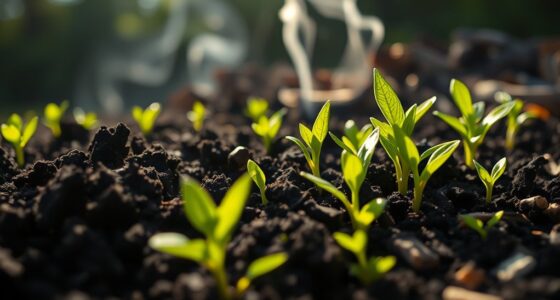
Bioluminescent lighting creates enchanting displays in nature using organisms that glow without electricity. You’ll find this mesmerizing phenomenon in marine life, like jellyfish and plankton, as well as in glowing fungi and plants on land. The enchanting light results from a chemical reaction involving luciferin and luciferase, leading to colors like blue and green. This natural illumination not only enhances beauty but also showcases the magic of life. There’s so much more to discover about this incredible process.
Key Takeaways
- Bioluminescence is a natural phenomenon where organisms produce light through chemical reactions without the need for electricity.
- Marine creatures like jellyfish and anglerfish use bioluminescence for attracting mates and luring prey in dark waters.
- Terrestrial bioluminescent fungi and plants illuminate nighttime environments, enhancing the beauty of forests and riverbanks.
- The light emitted varies in color, including blue, green, and red, showcasing nature’s diversity and artistry.
- Bioluminescence offers a sustainable lighting alternative, creating captivating displays without human intervention.

Have you ever wondered how nature lights up the night with mesmerizing displays? Bioluminescence is one of the most fascinating phenomena you’ll encounter, showcasing a magical interplay between light and life. Picture yourself walking along a quiet beach at night, where the waves gently lap at the shore, revealing a shimmering glow as if stars have fallen into the water. This stunning effect comes from marine creatures, like jellyfish and certain types of plankton, that possess the incredible ability to produce light. They use bioluminescence for various reasons, including attracting mates, deterring predators, or luring in unsuspecting prey.
Experience the enchanting glow of bioluminescence as nature illuminates the night with its captivating displays.
As you explore deeper into the ocean’s depths, you’ll find that many marine creatures illuminate their surroundings, creating an otherworldly atmosphere. Imagine snorkeling in a bioluminescent bay, where every movement triggers a cascade of glowing blue light. Creatures like the anglerfish utilize their glow to attract prey in the dark, while others, like the firefly squid, perform dazzling light shows to communicate and attract mates. The underwater domain truly becomes a living canvas painted with radiant colors, showcasing nature’s artistry.
But it’s not just the ocean that glows. You can also find glowing plants that contribute to the nighttime spectacle. Certain species of fungi and algae exhibit bioluminescent properties, illuminating the forest floor or riverbanks with their ethereal light. The glow emanating from decaying wood in a damp forest or the faint shimmer of glow-in-the-dark mushrooms can transform your hike into an enchanting adventure. Imagine wandering through a moonlit forest, where every step reveals a flicker of light, guiding your way through the shadows.
The science behind bioluminescence is equally mesmerizing. It involves a chemical reaction within organisms, where a molecule called luciferin reacts with oxygen, catalyzed by an enzyme named luciferase. This reaction produces light, and the color can vary depending on the organism. Some emit blue light, while others might glow green or red.

Forest Organics Ghost Mushroom Log Kit – Glow-in-the-Dark Bioluminescent Plug Spawn for Outdoor Logs (NOT Edible)
IMPORTANT NOTE: Omphalotus nidiformis (Ghost Fungus) is a poisonous mushroom and is not edible. This kit is intended…
As an affiliate, we earn on qualifying purchases.
As an affiliate, we earn on qualifying purchases.
Frequently Asked Questions
Can Bioluminescent Organisms Be Used Indoors?
Yes, you can use bioluminescent organisms indoors to enhance your space. Their unique glow can add to your indoor aesthetics and create a mesmerizing atmosphere. By incorporating them into decor, you not only make your home visually intriguing but also promote energy efficiency. Imagine needing no electricity for that enchanting light show! Experimenting with bioluminescent plants or algae can truly transform your indoor environment while reducing your carbon footprint.
How Long Does Bioluminescent Lighting Last?
Bioluminescent organisms typically have a glow duration that can last anywhere from a few minutes to several hours, depending on the species and environmental conditions. Their bioluminescent lifespan varies markedly; some organisms can glow for days, while others only produce light briefly. If you’re considering using bioluminescent lighting, remember that the intensity and duration of the glow can change based on factors like temperature and available nutrients.
Are There Safety Concerns With Bioluminescent Materials?
While you might worry about safety, bioluminescent materials are generally safe. Most bioluminescent organisms are non-toxic, so toxicity concerns are minimal. However, it’s wise to be cautious, as some could pose biological hazards if improperly handled. Always confirm you’re sourcing materials from reliable suppliers and following safety guidelines. By being informed and responsible, you can enjoy the magical glow without fearing for your health or safety.
Can I Create My Own Bioluminescent Light Source?
Yes, you can create your own bioluminescent light source! By exploring genetic engineering techniques, you can modify organisms to express synthetic bioluminescence. This involves inserting specific genes that produce light-emitting proteins into bacteria or plants. However, keep in mind that this process requires careful planning and knowledge of molecular biology. You might also need the right tools and materials to successfully create a glowing organism, so be prepared for some experimentation!
What Are the Environmental Impacts of Bioluminescent Lighting?
Imagine walking through a forest at night, where the trees glow softly, guiding your way. Bioluminescent lighting can enhance ecosystem balance by promoting natural interactions among species while conserving energy. Unlike traditional lights that disrupt wildlife, these natural illuminators create a serene environment, reducing light pollution. By using bioluminescent sources, you help maintain the delicate dance of nature, ensuring that both plants and animals thrive in harmony without the excessive energy demands of conventional lighting.

Taiyin 10 Pcs Luminous Mushroom Miniature Garden Mushrooms Outdoor Decor Waterproof Glow in The Dark Yard Decor for Fairy Outdoor Garden Micro Landscape Terrarium Christmas Tree Decor
Package Contents: you will receive 10 pieces of waterproof luminous mushroom lights, the sufficient quantity and interesting design…
As an affiliate, we earn on qualifying purchases.
As an affiliate, we earn on qualifying purchases.
Conclusion
Imagine walking through a forest at night, where glowing mushrooms light your path like stars fallen from the sky. Bioluminescent lighting is nature’s magic, turning darkness into a dance of colors without a flick of a switch. Just like fireflies illuminating a summer evening, this enchanting glow invites you to embrace sustainability and creativity. By harnessing nature’s brilliance, you can transform your space into a domain of wonder, reminding us that beauty can thrive even in the absence of electricity.
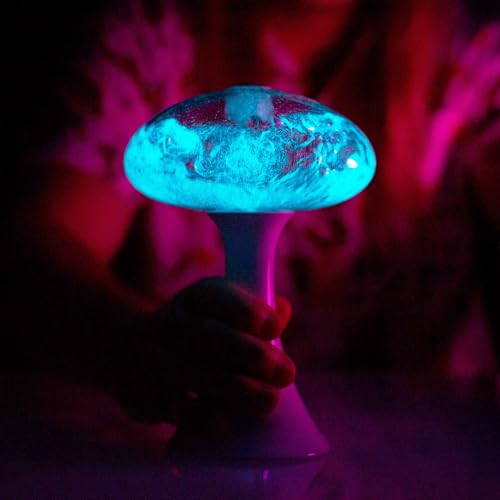
Mushlume UFO Bioluminescent Aquarium
👾 Experience Bioluminescence: Dive into the magical world of bioluminescence right at home with the Mushlume UFO.
As an affiliate, we earn on qualifying purchases.
As an affiliate, we earn on qualifying purchases.
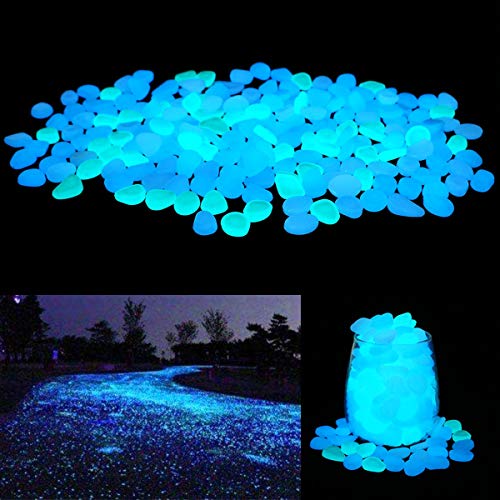
UNIME Glow in The Dark Garden Pebbles Stones Rocks for Yard and Walkways Decor, DIY Decorative Luminous Stones in Blue (200 PCS)
★Material★ – Photoluminescent pigment + resin. About 18×25×11mm each. 200PCS pack.
As an affiliate, we earn on qualifying purchases.
As an affiliate, we earn on qualifying purchases.