
📊 Full opportunity report: The High-End PC and Workstation Tax on ThorstenMeyerAI.com — validation score, market gap, and execution plan.

Prime made for students and young adults
- Fast, free delivery for dorm and study essentials
- Prime Video and Amazon Music included
- Member-only deals
TL;DR
Memory costs have skyrocketed in 2026, now rivaling or exceeding GPU prices, forcing DIY builders to pay more and reconsider their strategies. Prebuilt systems may now be more cost-effective than custom builds at the high end. The High-End PC and Workstation Tax.
In 2026, memory prices have increased dramatically, with RAM now accounting for up to 35% of a PC’s bill of materials, according to HP’s investor reports. This surge has made high-end components, especially memory modules, as expensive as or more costly than graphics cards, fundamentally changing the economics of building custom PCs and workstations.
Memory modules, particularly 32GB DDR5 kits, now cost around $369, matching the price of high-end GPUs and surpassing CPU and SSD costs in many configurations. Build vs Buy a Prebuilt AI Workstation. This has caused premium builds that previously cost $2,000 to now range between $2,800 and $4,500, primarily driven by rising memory and storage expenses.
Market structure shifts have made DIY PC building less cost-effective. Large OEMs benefit from bulk purchasing and inventory hedging, allowing them to mitigate price spikes, whereas individual buyers face spot prices that fluctuate weekly, sometimes daily. How to Reduce Heat and Noise in a High-Power AI Workstation. As a result, prebuilt systems, which buy components in bulk, are sometimes cheaper than sourcing parts independently.
Workstation components, especially high-capacity DDR5 RDIMMs required for professional tasks like CAD and data analysis, are in short supply. Prices for 64GB modules could double by year’s end, with 128GB and 256GB modules facing the steepest price hikes and longest lead times. Memory pricing now behaves like a stock market, with rapid fluctuations making timing purchases difficult.
The high-end PC & workstation tax
If you build your own machines or spec your team’s workstations, you’re the most exposed buyer in this market — no hedge, no bulk contract, just a parts cart and a number you used to ignore, now the biggest line on the invoice.
OEMs buy on bulk contracts and hold hedged stock; you pay the spot price on the day. The DIY builder is now the most exposed buyer in the chain — and the prebuilt is sometimes cheaper. Price it before you commit.
96GB & 128GB DDR5 RDIMMs are the scarcest, closest to the server memory makers prioritize. 64GB RDIMM could cost 2× by end-2026 vs early 2025. The parts that define a workstation are the ones squeezed hardest.
The squeeze didn’t just raise prices — it inverted the value system of high-end building. Buy big, buy early, build it yourself: each enthusiast virtue is now a way to overpay. Discipline beats ambition in 2026 — right-size hard, buy deliberately, lean on bundles, treat the prebuilt as a real price check. You can’t avoid the AI tax levied a layer up in the fabs; you can refuse to pay more of it than the job needs. Next: Cloud’s Hidden Memory Bill.
Impacts on High-End PC and Workstation Market Dynamics
The surge in memory prices and market shifts significantly alter the traditional value proposition of building high-end PCs. Enthusiasts and professionals must now adopt new procurement strategies, such as right-sizing capacity, staging upgrades, and considering prebuilt options, to manage costs effectively. This change may influence industry supply chains, component pricing, and the overall approach to high-performance computing in 2026.
As an affiliate, we earn on qualifying purchases.
2026 Memory Market and Historical Trends
Over the past two decades, PC builders relied on the principle that buying and building their own machines would save money, especially as memory and storage costs declined. However, in 2026, memory’s share of the total build cost has tripled, reflecting a broader market squeeze driven by increased demand from hyperscalers and limited supply of high-capacity modules. This development marks a turning point, reversing the long-standing advantage of DIY builds at the high end.
“Memory’s share of the total bill increased from 15–18% to about 35% in a single quarter.”
— HP investor report
As an affiliate, we earn on qualifying purchases.
Unresolved Questions About Market Stability and Long-Term Trends
It is not yet clear whether memory prices will stabilize or continue to rise through 2026. The extent to which OEMs will adapt their procurement strategies or influence market prices remains uncertain, as supply chain disruptions and demand from hyperscalers persist.
As an affiliate, we earn on qualifying purchases.
Next Steps for Builders and Industry Stakeholders in 2026
Buyers should consider staging their upgrades, leveraging bundles, and comparing prebuilt options before committing to parts. Industry analysts expect ongoing volatility, so procurement strategies will need to be flexible. Further market data and supply chain developments in the coming months will shape pricing trends and component availability.
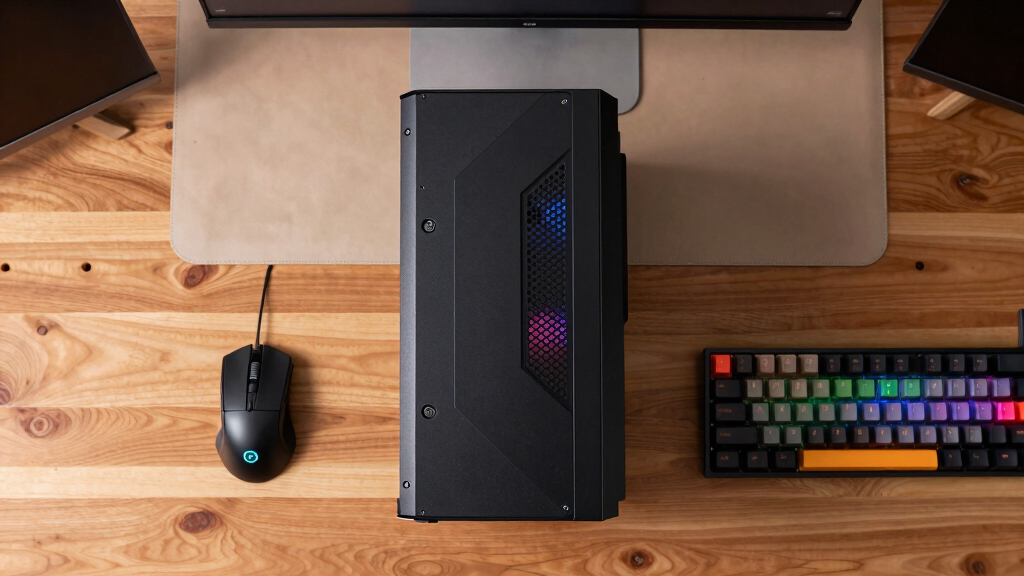
gaming PC with high memory capacity
As an affiliate, we earn on qualifying purchases.
As an affiliate, we earn on qualifying purchases.
Key Questions
Why are memory prices rising so sharply in 2026?
The rise is driven by increased demand from hyperscalers for high-capacity modules, supply constraints on DDR5 RDIMMs, and market speculation, causing prices to spike and behave like stock market quotes.
Does this mean building a high-end PC yourself is no longer cost-effective?
Not necessarily. While individual prices have increased, strategic buying, bundling, and staging upgrades can still help manage costs. However, in many cases, prebuilt systems may now offer better value.
How can professionals mitigate the high costs of workstation memory?
Professionals should consider buying in bulk when possible, staging upgrades, and comparing prebuilt options. Being flexible and timing purchases carefully can help reduce expenses amid volatile prices.
Will memory prices stabilize soon?
It is uncertain. Market volatility remains high, influenced by supply chain issues and demand fluctuations. Analysts expect continued price swings through 2026, but future stabilization depends on supply and demand balance.
Source: ThorstenMeyerAI.com
Halloween Picks
halloween
As an affiliate, we earn on qualifying purchases.