
TL;DR

Prime made for students and young adults
- Fast, free delivery for dorm and study essentials
- Prime Video and Amazon Music included
- Member-only deals
Automakers like GM, Ford, and Stellantis are cutting thousands of jobs linked to traditional roles while hiring AI-native talent. This reflects a broader industry shift toward AI integration, with significant implications for employment and innovation.
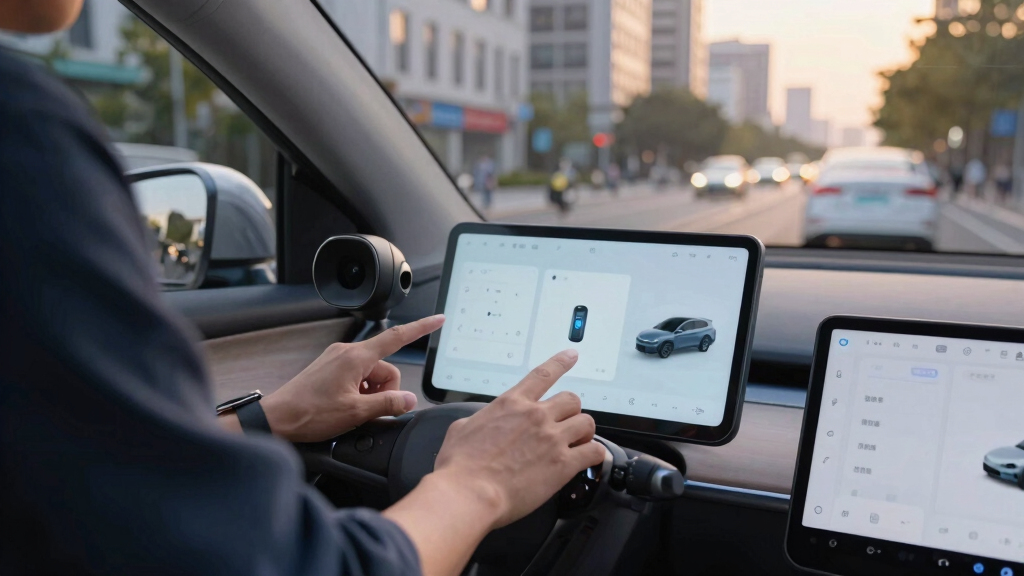
Major automotive companies, including General Motors, Ford, and Stellantis, are significantly reducing traditional salaried jobs while simultaneously recruiting for AI-focused roles, marking a pivotal shift in industry skills requirements.
According to TechCrunch, GM laid off over 600 employees from its IT department, roughly 10% of its IT workforce, to make room for hiring individuals with AI-native skills such as data engineering, model development, and cloud-based AI workflows. Similar trends are evident at Ford and Stellantis, which have collectively cut more than 20,000 U.S. jobs, amounting to 19% of their combined workforce since recent peaks this decade. These layoffs are linked to the industry’s broader move toward integrating AI technologies into manufacturing, vehicle development, and operational systems. Meanwhile, companies are actively hiring AI engineers capable of designing, training, and deploying AI systems from the ground up, rather than merely utilizing AI as a productivity tool.
Why It Matters
This shift indicates a fundamental transformation in the automotive industry, where AI expertise is becoming a core competency. It impacts employment patterns, potentially leading to net job losses in traditional roles but creating new opportunities for AI specialists. The development also signals that AI is increasingly viewed as essential for future vehicle innovation, autonomous driving, and operational efficiency, influencing how automakers compete and innovate.
AI engineering books for automotive
As an affiliate, we earn on qualifying purchases.
As an affiliate, we earn on qualifying purchases.
Background
Over the past year, automakers have been adjusting their workforce in response to technological advances, particularly AI. Reports from CNBC highlight that industry giants have collectively cut nearly 20,000 jobs, driven by automation and AI integration efforts. GM’s layoffs, for example, are part of a strategic skills realignment aimed at fostering AI-native development capabilities. This trend aligns with broader industry investments in AI startups and technologies, such as Rivian’s AI-focused spinoffs and startups like Arkeus developing perception software for autonomous systems. The industry’s pivot reflects both technological evolution and competitive pressures to lead in autonomous and intelligent vehicle systems.
“Automakers are increasingly prioritizing AI expertise, leading to significant job cuts in traditional roles while ramping up recruitment for AI-native skills.”
— Kirsten Korosec, TechCrunch
“We are restructuring our workforce to better align with our strategic focus on AI and advanced digital capabilities.”
— GM spokesperson
autonomous vehicle development kits
As an affiliate, we earn on qualifying purchases.
As an affiliate, we earn on qualifying purchases.
What Remains Unclear
It remains unclear how widespread these AI-driven layoffs will become across the entire automotive sector, and whether the new AI hires will fully compensate for the traditional roles being eliminated. The long-term impact on employment levels and the pace of technological adoption is still developing.
AI training software for engineers
As an affiliate, we earn on qualifying purchases.
As an affiliate, we earn on qualifying purchases.
What’s Next
Automakers are expected to continue adjusting their workforce, with increased hiring in AI and data engineering roles. Monitoring industry employment reports and technological investments over the coming months will clarify the scale of this shift. Additionally, further announcements from automakers about their AI strategies are anticipated as they integrate these technologies into their product lines.
cloud-based AI development tools
As an affiliate, we earn on qualifying purchases.
As an affiliate, we earn on qualifying purchases.
Key Questions
Why are automotive companies laying off traditional IT roles?
They are reallocating resources to hire AI-native professionals capable of developing, training, and deploying AI systems essential for autonomous vehicles and digital transformation.
What kinds of AI skills are automakers seeking?
Skills in AI development, data engineering, cloud-based AI workflows, prompt engineering, and system design from the ground up are most in demand.
Will these layoffs lead to job losses overall in the industry?
While some traditional roles are being cut, the industry is also creating new jobs for AI specialists, though the net effect may be negative in the short term.
How might this shift affect vehicle innovation?
A focus on AI talent is likely to accelerate advances in autonomous driving, vehicle connectivity, and smart manufacturing, potentially giving early adopters a competitive edge.
Halloween Picks
halloween
As an affiliate, we earn on qualifying purchases.