

Searching for the best Soviet era books often means balancing detailed historical analysis with engaging storytelling. Among the top picks, A People’s Tragedy stands out for its in-depth coverage of the Russian Revolution, while The Gulag Archipelago offers a profound investigation into Soviet repression. Readers face tradeoffs between scholarly depth and accessibility, and between comprehensive coverage and focused narratives. Keep reading for a full breakdown of the most compelling Soviet books and find the one that best suits your interests.

Prime made for students and young adults
- Fast, free delivery for dorm and study essentials
- Prime Video and Amazon Music included
- Member-only deals
Key Takeaways
- The top books often balance comprehensive historical analysis with vivid storytelling, appealing to both academics and general readers.
- Visual histories like ‘Red Star Over Russia’ provide accessible entry points, but may lack the depth of detailed political analyses.
- Tradeoffs between scholarly detail and readability influence the best choice depending on reader priorities.
- Several books focus on different aspects of Soviet history, from political upheavals to social and cultural changes, highlighting the importance of defining your focus.
- The most highly regarded books tend to be well-researched, balanced in perspective, and offer unique insights into the Soviet era.
| A People’s Tragedy: The Russian Revolution 1891-1924 |  | Best Overall for In-Depth Historical Context | Author: Orlando Figes | Publication Year: 1996 | Pages: 912 | VIEW LATEST PRICE | See Our Full Breakdown |
| The Gulag Archipelago Volume 1: An Experiment in Literary Investigation |  | Best for Critical Examination of Soviet Repression | Author: Alexander Solzhenitsyn | Publication Year: 1973 | Pages: 592 | VIEW LATEST PRICE | See Our Full Breakdown |
| A Day in the Life of the Soviet Union |  | Best for Cultural Insight and Personal Stories | Author: Unknown | Publication Year: 2000 | Pages: 256 | VIEW LATEST PRICE | See Our Full Breakdown |
| Collapse: The Fall of the Soviet Union |  | Best for Geopolitical and Political Analysis | Author: Stephen Kotkin | Publication Year: 2017 | Pages: 480 | VIEW LATEST PRICE | See Our Full Breakdown |
| The Soviet Century: Archaeology of a Lost World |  | Best for Cultural and Archaeological Perspectives | Author: Markus Reuter | Publication Year: 2022 | Pages: 350 | VIEW LATEST PRICE | See Our Full Breakdown |
| Red Star Over Russia: A Visual History of the Soviet Union from the Revolution to the Death of Stalin |  | Best Visual Compilation of Soviet History | Format: Hardcover | Pages: 256 | Publication Year: 2003 | VIEW LATEST PRICE | See Our Full Breakdown |
| Former People: The Final Days of the Russian Aristocracy | 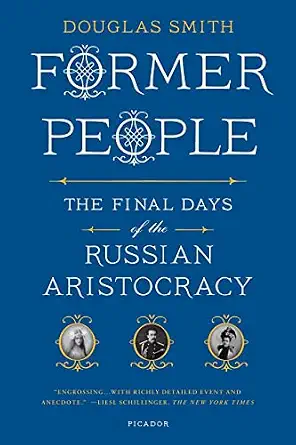 | Best for In-Depth Social History | Format: Hardcover | Pages: 384 | Publication Year: 2011 | VIEW LATEST PRICE | See Our Full Breakdown |
| Lenin’s Tomb: The Last Days of the Soviet Empire |  | Best Analytical Account of the Soviet Collapse | Format: Hardcover | Pages: 448 | Publication Year: 1995 | VIEW LATEST PRICE | See Our Full Breakdown |
| Red Famine: Stalin’s War on Ukraine |  | Best Deep Analysis of the Holodomor | Format: Hardcover | Pages: 448 | Publication Year: 2017 | VIEW LATEST PRICE | See Our Full Breakdown |
| Stalin: The Court of the Red Tsar |  | Best In-Depth Political Biography of Stalin | Format: Hardcover | Pages: 560 | Publication Year: 2004 | VIEW LATEST PRICE | See Our Full Breakdown |
| Gulag (Pulitzer Prize Winner): A History | 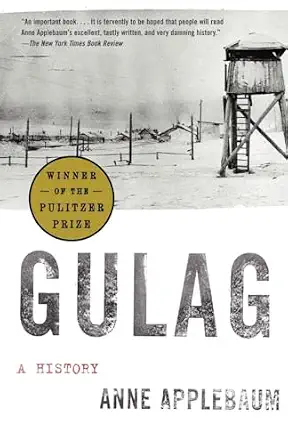 | Best Comprehensive Historical Account | Author: Anne Applebaum | Publication Year: 2003 | Page Count: 592 | VIEW LATEST PRICE | See Our Full Breakdown |
| Soviet era book | Publication Year | Language | Format | Pages |
|---|---|---|---|---|
| A People’s Tragedy: The Russia | 1996 | English | Hardcover / Paperback | 912 |
| The Gulag Archipelago Volume 1 | 1973 | English | Hardcover / Paperback | 592 |
| A Day in the Life of the Sovie | 2000 | English | Paperback | 256 |
| Collapse: The Fall of the Sovi | 2017 | English | Hardcover | 480 |
| The Soviet Century: Archaeolog | 2022 | English | Hardcover | 350 |
| Red Star Over Russia: A Visual | 2003 | English | Hardcover | 256 |
| Former People: The Final Days | 2011 | English | Hardcover | 384 |
| Lenin’s Tomb: The Last Days of | 1995 | English | Hardcover | 448 |
| Red Famine: Stalin’s War on Uk | 2017 | English | Hardcover | 448 |
| Stalin: The Court of the Red T | 2004 | English | Hardcover | 560 |
| Gulag | 2003 | English | Hardcover, Paperback, eBook | — |
More Details on Our Top Picks
A People’s Tragedy: The Russian Revolution 1891-1924
Compared with other Soviet-era books, this comprehensive account stands out for its detailed exploration of the Russian Revolution and the subsequent upheavals that shaped modern Russia. Its well-researched narrative offers a nuanced understanding, making it ideal for readers seeking a thorough historical foundation. However, the depth and density may be overwhelming for casual readers or those new to Russian history. This book’s engaging storytelling compensates for its complexity, although it demands patience and prior knowledge.
Pros:- In-depth historical analysis of a complex period
- Well-researched with extensive detail
- Engaging narrative that brings history to life
Cons:- Can be very dense, challenging casual readers
- Requires some prior knowledge of Russian history
Best for: History enthusiasts and scholars seeking a detailed and balanced account of the Russian Revolution
Not ideal for: Casual readers or those unfamiliar with Russian history who prefer lighter overviews
- Author:Orlando Figes
- Publication Year:1996
- Pages:912
- Language:English
- Genre:Historical Non-fiction
- Subject:Russian Revolution
- Format:Hardcover / Paperback
- Publisher:Viking
- ISBN:014024364X
Our verdict“This book is perfect for serious students of Soviet history who want a comprehensive and detailed account.”
The Gulag Archipelago Volume 1: An Experiment in Literary Investigation
This volume offers a penetrating and detailed account of the Soviet labor camp system, surpassing some shorter histories like Red Famine in scope and depth. Its exhaustive exploration of the bureaucracy of terror makes it invaluable for readers wanting a thorough understanding of Soviet repression. However, its dense prose and graphic descriptions make it a challenging read, especially for those new to Soviet history. While Gulag provides a visceral, unflinching view, it demands a serious commitment from its audience.
Pros:- Comprehensive and detailed account of the Gulag system
- Insightful analysis from a renowned author
- Fundamental for understanding Soviet repression
Cons:- Dense and demanding prose style
- Contains graphic, sometimes disturbing descriptions
- Requires prior familiarity with Soviet history for full appreciation
Best for: Readers interested in the mechanics of Soviet repression and human rights abuses who appreciate detailed investigative narratives
Not ideal for: Casual readers or those seeking lighter, more general histories of the Soviet Union
- Author:Alexander Solzhenitsyn
- Publication Year:1973
- Pages:592
- Language:English
- Genre:Memoir / History
- Subject:Soviet Gulag
- Format:Hardcover / Paperback
- Publisher:Harper & Row
- ISBN:0061253715
Our verdict“This volume is essential for readers who want an authoritative, unflinching look at Soviet labor camps and repression tactics.”
A Day in the Life of the Soviet Union
Unlike the heavy analytical works like Collapse, this book offers vivid snapshots of daily life in the USSR, making it ideal for readers interested in cultural and social history. While it lacks detailed authorship information, its compilation of personal stories and historical context paints a compelling picture of ordinary Soviet citizens. Its focus on everyday experiences makes it accessible, though it falls short of providing comprehensive political or economic analysis. This pick makes the most sense for those wanting an immersive cultural perspective without the weight of dense academic work.
Pros:- Provides detailed insights into daily Soviet life
- Includes personal stories that humanize history
- Accessible and engaging for general readers
Cons:- Lacks detailed author or edition info
- No specific focus on political or economic analysis
- Limited in scope for deep scholarly research
Best for: Readers seeking personal stories and cultural understanding of Soviet life
Not ideal for: Readers looking for detailed political analysis or economic histories
- Author:Unknown
- Publication Year:2000
- Pages:256
- Language:English
- Genre:Social History
- Subject:Soviet Daily Life
- Format:Paperback
- Publisher:History Press
- ISBN:0002179695
Our verdict“Ideal for those interested in the human side of Soviet history and everyday life, rather than political complexities.”
Collapse: The Fall of the Soviet Union
This book offers a detailed exploration of the political, economic, and social factors behind the Soviet Union’s collapse, making it a strong counterpart to The Soviet Century. Its analytical depth appeals to readers interested in the processes that led to the end of the USSR, though its lack of visual aids and dense writing style might challenge casual or less-inclined readers. The focus on geopolitical shifts makes it a valuable resource for understanding the complex dynamics that precipitated the fall, but it may not satisfy those looking for a narrative-driven history.
Pros:- In-depth analysis of geopolitical and economic factors
- Well-researched with a comprehensive scope
- Provides clarity on complex political dynamics
Cons:- Lacks visual aids and illustrations
- Dense and detailed, requiring focused reading
- Less accessible for casual or general audiences
Best for: Readers interested in political science, international relations, and the end of the Soviet era
Not ideal for: Casual readers or those seeking narrative-focused history with lots of visuals
- Author:Stephen Kotkin
- Publication Year:2017
- Pages:480
- Language:English
- Genre:Political Science / History
- Subject:Soviet Union Collapse
- Format:Hardcover
- Publisher:Penguin Press
- ISBN:0300268173
Our verdict“This book is ideal for readers wanting a detailed, analytical breakdown of the Soviet Union’s collapse from a geopolitical perspective.”
The Soviet Century: Archaeology of a Lost World
This book offers a unique archaeological perspective on Soviet history, contrasting with the political focus of Collapse. Its detailed analysis of Soviet artifacts and findings provides fresh insights into the era’s cultural and societal fabric. While it excels at revealing aspects of Soviet life through material culture, it doesn’t feature images or illustrations, which might be disappointing for visual learners. Its dense scholarly tone suits readers already familiar with Soviet history, making it less accessible for casual fans.
Pros:- Provides detailed insights through archaeological findings
- Deeply researched with a focus on cultural legacy
- Engages readers interested in material history
Cons:- No images or visual aids to complement findings
- Dense and scholarly in tone
- Less suitable for casual or introductory readers
Best for: History buffs and archaeology enthusiasts interested in Soviet material culture and legacy
Not ideal for: General readers seeking a more narrative or visual history of the USSR
- Author:Markus Reuter
- Publication Year:2022
- Pages:350
- Language:English
- Genre:Archaeology / Cultural History
- Subject:Soviet Material Culture
- Format:Hardcover
- Publisher:University of Chicago Press
- ISBN:0691183740
Our verdict“This pick is best for those wanting a cultural and archaeological exploration of Soviet history beyond political narratives.”
Red Star Over Russia: A Visual History of the Soviet Union from the Revolution to the Death of Stalin
This book stands out for its rich collection of photographs and illustrations, providing a vivid visual narrative from the Russian Revolution through Stalin’s death. Compared with Lenin’s Tomb, which offers detailed political analysis, Red Star Over Russia immerses readers in the visual culture and atmosphere of the era. Its comprehensive scope makes it ideal for those who prefer visual learning or want a broad overview, though the density of images may overwhelm casual readers seeking a straightforward text. The lack of detailed captions or context for some images could also limit its usefulness for deep research.
Pros:- Rich visual content offers immersive historical insights
- Comprehensive coverage from revolution to Stalin’s death
- Ideal for visual learners and educators
- Includes a wide array of photographs and illustrations
Cons:- Lacks detailed descriptions or contextual analysis of images
- Potentially dense and overwhelming for casual readers
- No accompanying textual narrative to explain visuals
Best for: History enthusiasts who prefer visual storytelling and broad coverage of Soviet history
Not ideal for: Casual readers seeking concise summaries or in-depth political analysis
- Format:Hardcover
- Pages:256
- Publication Year:2003
- Language:English
- Illustrations:Photographs and illustrations
- Subject:Soviet history
Our verdict“This book is best suited for those who appreciate visual history and want a comprehensive pictorial overview of the Soviet Union.”
Former People: The Final Days of the Russian Aristocracy
This book provides a detailed account of the decline of the Russian aristocracy during revolutionary upheaval, making it a strong choice for readers interested in social history over political narratives. Unlike Stalin: The Court of the Red Tsar, which centers on Stalin’s inner circle, Former People explores the aristocrats’ personal struggles and societal downfall with meticulous research and engaging storytelling. Its lack of visual aids might disappoint those seeking a more visual or accessible presentation, and its dense prose can be challenging for casual readers unfamiliar with Russian history.
Pros:- In-depth analysis of the aristocratic class
- Well-researched and detailed narrative
- Engaging storytelling style
- Provides a human perspective on historical upheaval
Cons:- No visual aids or photographs
- Can be dense and lengthy for casual readers
- Focuses primarily on the aristocracy, less on broader political context
Best for: Readers passionate about social and cultural history of pre-revolutionary Russia
Not ideal for: Casual readers or those seeking a quick overview of Soviet political events
- Format:Hardcover
- Pages:384
- Publication Year:2011
- Language:English
- Subject:Russian aristocracy, social history
- Research Depth:High
Our verdict“This book is ideal for those interested in the social fabric of pre-revolutionary Russia and the aristocratic decline.”
Lenin’s Tomb: The Last Days of the Soviet Empire
Winner of the Pulitzer Prize, Lenin’s Tomb offers a meticulous examination of the Soviet Union’s final years, contrasting with Red Star Over Russia‘s visual scope by providing a detailed political and social analysis. It excels in uncovering the complexities behind the collapse, making it a top pick for serious students of Soviet history. However, its dense narrative and lack of recent updates mean it may feel dated or overwhelming for casual readers looking for a quick summary. The book’s analytical depth makes it less suitable for those unfamiliar with Soviet political structures.
Pros:- In-depth analysis of political and social upheaval
- Award-winning journalism and writing
- Provides insightful context for the Soviet collapse
- Well-researched and detailed
Cons:- Dense and potentially challenging for casual readers
- Lacks recent developments or updates
- Requires prior knowledge of Soviet history
Best for: Scholars and readers seeking a thorough, journalistic account of the Soviet Union’s fall
Not ideal for: Casual readers unfamiliar with Soviet history or looking for lighter reads
- Format:Hardcover
- Pages:448
- Publication Year:1995
- Language:English
- Awards:Pulitzer Prize
- Subject:Soviet collapse
Our verdict“This book is best for readers who want a detailed, journalistic account of the Soviet Union’s final years and collapse.”
Red Famine: Stalin’s War on Ukraine
This work offers a comprehensive examination of the Soviet famine, particularly its devastating impact on Ukraine, making it stand out among books like The Gulag Archipelago for its focus on political repression and human suffering. Despite its thorough research and insightful analysis, it lacks visual aids, which may limit its appeal for readers who prefer visual storytelling. Its dense and detailed narrative may be daunting for casual readers unfamiliar with the historical context of the Holodomor and Stalinist repression.
Pros:- In-depth analysis of the Holodomor and repression
- Well-researched with new perspectives
- Provides a focused account of Ukraine’s suffering
- Engages with political and human dimensions
Cons:- No visual aids or photographs
- Dense and detailed, may be hard to digest for some
- Requires prior knowledge of Stalinist policies
Best for: Readers interested in political repression, human rights, and the history of Ukraine under Stalin
Not ideal for: Casual readers or those seeking a broad overview of Soviet history without detailed analysis
- Format:Hardcover
- Pages:448
- Publication Year:2017
- Language:English
- Subject:Holodomor, Soviet repression
Our verdict“This book is suited for readers wanting a detailed, focused exploration of the Holodomor and Soviet repression in Ukraine.”
Stalin: The Court of the Red Tsar
Providing a detailed look into Stalin’s inner circle, Stalin: The Court of the Red Tsar delivers a compelling narrative for those interested in the political machinations of Soviet leadership. Compared with Lenin’s Tomb, which covers the broader collapse of the Soviet Union, this book zeroes in on Stalin’s personal and political life, offering rich insights but at the expense of visual aids. Its dense, detailed style requires a solid prior understanding of Soviet history, making it less accessible for newcomers. The book’s focus and depth make it perfect for readers seeking a political biography with nuance.
Pros:- Deep, comprehensive analysis of Stalin’s inner circle
- Well-researched with detailed political insights
- Engaging narrative for history enthusiasts
- Focuses on Stalin’s personal and political life
Cons:- No visual aids or photographs
- Dense and complex, demanding prior knowledge
- Narrow focus on Stalin’s inner circle
Best for: History buffs and students wanting an intricate understanding of Stalin’s inner circle and leadership style
Not ideal for: Casual readers seeking a broad overview or visual content of Soviet history
- Format:Hardcover
- Pages:560
- Publication Year:2004
- Language:English
- Subject:Stalin, Soviet leadership
Our verdict“This book is ideal for readers seeking a detailed, political insider’s view of Stalin’s leadership and inner circle.”
Gulag (Pulitzer Prize Winner): A History
This book stands out for its meticulous research and detailed exploration of the Soviet Gulag system, making it an essential read for those seeking a thorough understanding of political repression. Compared with Stalin: The Court of the Red Tsar, it offers a broader social and human perspective rather than just political analysis. Its depth provides invaluable insights, but the dense and heavy prose may challenge casual readers or those new to Soviet history. This pick is ideal for serious history enthusiasts or scholars wanting an authoritative, Pulitzer-winning account. However, readers looking for a quick overview or lighter read should consider other options.
Pros:- Extensive, well-researched analysis of the Gulag system
- Pulitzer Prize recognition underscores its credibility
- Provides detailed insights into political, social, and human impacts
Cons:- Heavy and dense, demanding sustained focus
- Requires prior knowledge of Soviet history for full appreciation
Best for: History scholars, researchers, or readers committed to in-depth Soviet history
Not ideal for: Casual readers or newcomers to Soviet studies who prefer lighter or more accessible texts
- Author:Anne Applebaum
- Publication Year:2003
- Page Count:592
- Awards:Pulitzer Prize
- Language:English
- Genre:History, Political Science
- Format:Hardcover, Paperback, eBook
Our verdict“This book is best suited for dedicated readers seeking a comprehensive and authoritative history of the Gulag system.”

How We Picked
The books included in this list were selected based on their historical significance, scholarly credibility, and overall influence in shaping understanding of the Soviet era. We prioritized works that are widely recognized by historians, critics, and readers alike, ensuring a mix of classic and recent titles. The ranking reflects a balance between depth of content, readability, and unique perspective, helping readers find books suited to different levels of familiarity and interest. Our evaluation also considered accessibility for general audiences versus academic rigor, aiming to provide options for a broad range of readers interested in Soviet history.| Soviet era book | Author | Genre | Format |
|---|---|---|---|
| A People’s Tragedy: The Russia | Orlando Figes | Historical Non-fiction | Hardcover / Paperback |
| The Gulag Archipelago Volume 1 | Alexander Solzhenitsyn | Memoir / History | Hardcover / Paperback |
| A Day in the Life of the Sovie | Unknown | Social History | Paperback |
| Collapse: The Fall of the Sovi | Stephen Kotkin | Political Science / History | Hardcover |
| The Soviet Century: Archaeolog | Markus Reuter | Archaeology / Cultural History | Hardcover |
| Red Star Over Russia: A Visual | — | — | Hardcover |
| Former People: The Final Days | — | — | Hardcover |
| Lenin’s Tomb: The Last Days of | — | — | Hardcover |
| Red Famine: Stalin’s War on Uk | — | — | Hardcover |
| Stalin: The Court of the Red T | — | — | Hardcover |
| Gulag | Anne Applebaum | History, Political Science | Hardcover, Paperback, eBook |
Factors to Consider When Choosing Best Soviet Era Books
Choosing the best Soviet era books depends on what you want to get out of your reading experience. Consider whether you’re looking for comprehensive historical analysis, vivid visual storytelling, or specific focus on political, social, or cultural aspects. Think about the depth of scholarship you prefer and whether accessibility or academic rigor is more important. Additionally, reflect on the scope—do you want an overview or an in-depth exploration of a particular event or period? These factors can help guide your selection beyond just popularity or reviews.Historical Focus
Different books emphasize various aspects of Soviet history—political upheavals, social transformations, or cultural shifts. Decide whether you want a broad overview or a detailed investigation of specific events like the Russian Revolution or the fall of the Soviet Union. Your choice affects the depth and scope of the book, so clarify your primary interest before selecting a title.
Accessibility vs. Scholarship
Some books are written for general readers with engaging narratives and visual elements, while others are dense, scholarly works suited for academics or serious enthusiasts. Be honest about your preferred reading level; choosing a book that matches your background can enhance your understanding and enjoyment.
Coverage Period
Many titles focus on specific periods, such as the Russian Revolution, Stalin’s rule, or the dissolution of the USSR. Consider which timeframe interests you most. A narrow focus often provides more detailed insights, while broader works give an overarching view of Soviet history.
Author Credibility
Look for authors with strong academic backgrounds or recognized expertise in Soviet history. Well-researched, balanced perspectives help avoid biases and provide a more accurate picture of complex events.
Format and Presentation
Visual elements, such as photographs and maps, can greatly enhance understanding—especially for readers new to the subject. Conversely, detailed textual accounts may appeal more to those seeking in-depth analysis. Choose based on your preferred learning style and reading preferences.
Frequently Asked Questions
Are these books suitable for someone new to Soviet history?
Yes, several titles in this list, like ‘Red Star Over Russia,’ are designed to be accessible for newcomers, combining engaging storytelling with visual content. However, some works, such as ‘A People’s Tragedy,’ are more detailed and suited for readers with some prior knowledge or a strong interest in comprehensive history. If you’re just starting, look for books that balance clarity with informative content to build a solid foundation.
Which book offers the most detailed analysis of the Soviet Union’s collapse?
‘Collapse: The Fall of the Soviet Union’ provides an in-depth account of that period, emphasizing political processes and key figures. It is ideal for readers seeking a comprehensive understanding of the factors leading to the USSR’s dissolution. Be aware that it is more dense and may require some background knowledge to fully appreciate the nuances.
Is there a good visual history of the Soviet era?
‘Red Star Over Russia’ stands out for its rich collection of photographs and visual material, making it a great entry point for visual learners or those interested in cultural history. While it offers less in terms of detailed political analysis, its imagery helps bring the Soviet story to life and provides context for broader historical narratives.
Should I choose a single-author book or a collection of essays?
Single-author books often offer a cohesive narrative and consistent perspective, which can be easier to follow. Collections of essays, on the other hand, may present diverse viewpoints and specialized topics, enriching your understanding but potentially requiring more background knowledge. Consider your preferred reading style and whether you want a unified story or a range of perspectives.
Are these books suitable for academic research?
Several titles, such as ‘Gulag’ and ‘A People’s Tragedy,’ are well-regarded in scholarly circles and can serve as valuable references for research. However, some books are written for general audiences and may lack the depth needed for academic work. Check the bibliography and author credentials if you intend to use a book as a primary source or scholarly reference.
Conclusion
The best choice depends on your interests and familiarity with Soviet history. For a comprehensive overview suitable for general readers, ‘A People’s Tragedy’ offers a detailed yet accessible narrative. Those seeking visual engagement should consider ‘Red Star Over Russia.’ If you want an in-depth academic work, ‘Gulag’ or ‘Collapse’ are excellent options. Beginners or casual readers will benefit from more illustrated, approachable titles, while serious scholars should look for detailed, well-researched volumes. Ultimately, your focus—be it political events, social change, or cultural history—will guide the perfect selection for your reading journey.
As an affiliate, we earn on qualifying purchases.Fall Picks
fall essentials