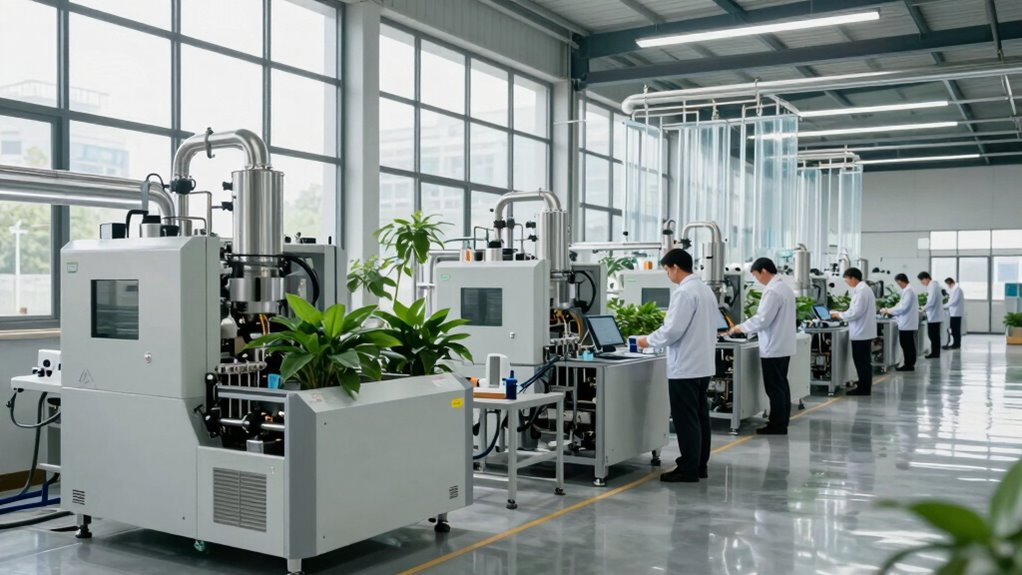

Cleaner manufacturing reduces your product’s environmental impact by using sustainable materials, energy-efficient machinery, and renewable energy sources. It helps you minimize waste, lower emissions, and design products for easier recycling and reuse. By adopting these practices, you considerably shrink your product’s carbon footprint throughout its lifecycle—from production to disposal. If you want to discover more ways to make your manufacturing process greener and more impactful, keep exploring these innovative solutions.

Prime made for students and young adults
- Fast, free delivery for dorm and study essentials
- Prime Video and Amazon Music included
- Member-only deals
Key Takeaways
- Cleaner manufacturing reduces emissions and waste, significantly lowering the environmental footprint of products.
- Adoption of renewable energy sources minimizes reliance on fossil fuels, decreasing product lifecycle impacts.
- Using eco-friendly materials and sustainable design enhances recyclability and end-of-life management.
- Energy-efficient machinery and technology decrease resource consumption during production.
- Integrating lifecycle assessment tools identifies areas for sustainability improvements, reducing overall product footprints.
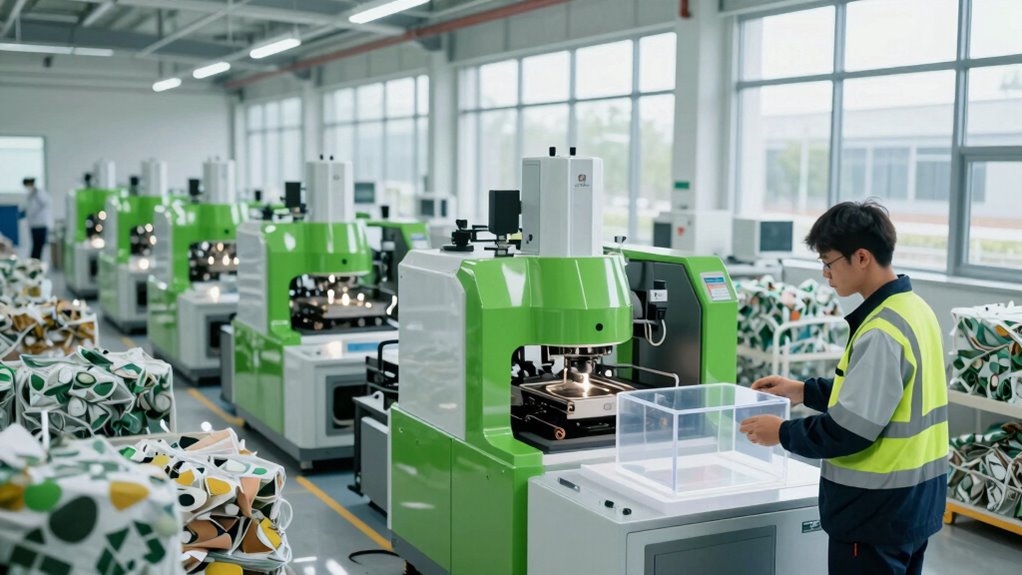
As consumers and industries become more conscious of environmental impact, cleaner manufacturing practices have gained prominence. You’re likely aware that the choices you make as a consumer influence companies to adopt more sustainable methods. One major shift involves establishing sustainable supply chains, which prioritize sourcing raw materials responsibly and reducing waste at every step. When companies focus on sustainable supply chains, they minimize environmental harm by selecting suppliers committed to eco-friendly practices, ensuring that raw materials are harvested and processed with minimal ecological disruption. This not only reduces the carbon footprint of the entire production process but also promotes transparency and accountability throughout the supply chain.
Another vital aspect of cleaner manufacturing is the adoption of eco friendly packaging. Traditional packaging often involves excessive use of plastics and non-biodegradable materials that end up polluting landfills and oceans. By choosing eco friendly packaging options, companies can significantly lower their environmental footprint. These alternatives—such as biodegradable wrappers, recyclable containers, or minimal packaging—help reduce waste and encourage consumers to dispose of packaging responsibly. As a result, the entire product footprint diminishes, making products more sustainable from production to disposal.
When you support brands committed to cleaner manufacturing, you’re indirectly encouraging the adoption of sustainable supply chains and eco friendly packaging. These companies typically invest in cleaner technologies, like energy-efficient machinery and renewable energy sources, which further cut down emissions and resource consumption. By prioritizing these practices, they not only reduce their ecological impact but also set industry standards that push competitors to follow suit. Your purchasing decisions become a catalyst for change, demonstrating that sustainability is an essential part of modern manufacturing.
Cleaner manufacturing also influences product design, making it easier to recycle or reuse products at the end of their life cycle. Companies are now designing products with their entire lifecycle in mind, which minimizes waste and conserves resources. This holistic approach results in products with smaller footprints, as they require less energy to produce, transport, and dispose of. Additionally, implementing innovative manufacturing techniques can further optimize resource efficiency and reduce environmental impact. Incorporating life cycle assessment helps companies identify areas for improvement and ensure that sustainability is integrated into every stage of production. Emphasizing resource efficiency in manufacturing processes can lead to significant reductions in energy use and waste generation. Moreover, utilizing sustainable materials can further lessen the environmental footprint of products, aligning manufacturing practices with ecological goals. Furthermore, advancements in clean energy technologies are increasingly being integrated into manufacturing facilities, further reducing reliance on fossil fuels and lowering emissions.
In the end, cleaner manufacturing transforms product footprints by integrating sustainability into every aspect—from raw material sourcing and production to packaging and end-of-life disposal. Your role as a consumer is crucial; choosing products from companies committed to sustainable supply chains and eco friendly packaging drives the industry toward more responsible and environmentally conscious practices. This collective effort helps ensure a healthier planet, where manufacturing and consumption work hand in hand to reduce environmental impact.
eco-friendly packaging materials
As an affiliate, we earn on qualifying purchases.
As an affiliate, we earn on qualifying purchases.
Frequently Asked Questions
How Do Cleaner Manufacturing Practices Impact Overall Product Quality?
Cleaner manufacturing practices enhance your product quality by promoting environmental innovation and reducing contaminants. You benefit from higher standards that often lead to more durable, safer products. Sustainability metrics help you monitor improvements, ensuring consistent quality. As you adopt greener methods, you’ll likely see fewer defects and better customer satisfaction. Overall, cleaner manufacturing elevates your product’s reliability while supporting your company’s commitment to environmental responsibility.
What Are the Initial Costs of Implementing Cleaner Manufacturing Processes?
You face initial costs that include cost analysis, investment challenges, and upfront expenses. You must evaluate equipment upgrades, staff training, and process adjustments. While these investments demand financial commitment, they also promise long-term savings, regulatory compliance, and sustainability benefits. Embracing cleaner manufacturing involves weighing immediate expenses against future gains, understanding that strategic planning helps mitigate costs and navigate investment challenges effectively.
How Do Regulations Influence Cleaner Manufacturing Initiatives?
Regulations considerably influence your cleaner manufacturing initiatives by enforcing environmental compliance, which pushes you to adopt sustainable practices. They often include regulatory incentives, like tax breaks or grants, motivating you to implement eco-friendly processes. These rules shape your decisions, encouraging innovation and cleaner technology. By adhering to regulations, you not only avoid penalties but also enhance your brand’s reputation, ultimately contributing to a more sustainable and responsible manufacturing approach.
Can Small Companies Adopt Cleaner Manufacturing Methods Easily?
Sure, small companies can adopt cleaner manufacturing methods easily—if only sustainability and waste reduction were as simple as flipping a switch. In reality, they often face hurdles like sourcing sustainable materials and cutting waste costs. Ironically, embracing sustainable sourcing and waste reduction can boost their efficiency and reputation. With dedication and smart planning, even small businesses can make significant strides toward cleaner manufacturing, proving big change starts small.
What Role Does Consumer Demand Play in Promoting Cleaner Manufacturing?
Consumer demand plays a crucial role in promoting cleaner manufacturing. When you seek products made with eco-friendly materials and prioritize sustainability, you encourage companies to adopt greener practices. Your awareness of environmental impacts pushes brands to improve their manufacturing processes, reduce waste, and use sustainable resources. By choosing eco-friendly products, you actively support a shift toward cleaner manufacturing, helping reduce the overall product footprint and protect the environment.
energy-efficient manufacturing machinery
As an affiliate, we earn on qualifying purchases.
As an affiliate, we earn on qualifying purchases.
Conclusion
As you explore cleaner manufacturing, you’ll notice how it naturally aligns with reducing product footprints, almost like the universe conspired to make sustainability achievable. When you embrace greener practices, you might find your efforts echo beyond your expectations, creating a ripple effect of positive change. It’s a coincidence, perhaps, how cleaner processes often lead to better efficiency and innovation. So, by choosing sustainable methods, you’re not just changing products—you’re shaping a more mindful world without even realizing it.
renewable energy products for industry
As an affiliate, we earn on qualifying purchases.
As an affiliate, we earn on qualifying purchases.
As an affiliate, we earn on qualifying purchases.
Halloween Picks
halloween
As an affiliate, we earn on qualifying purchases.