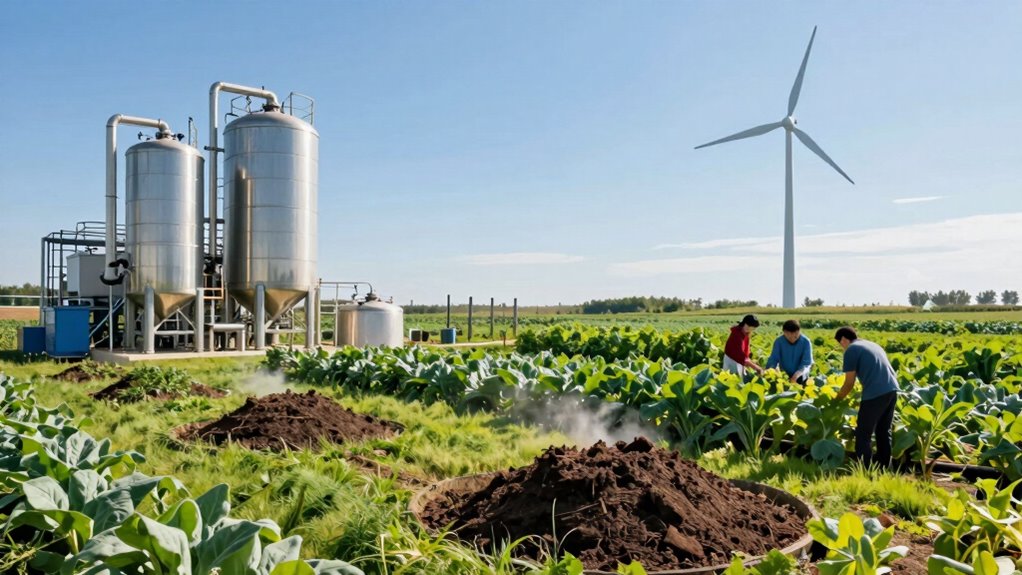

The circular bioeconomy is a way you can produce and use biological resources that minimizes waste and protects the environment. Instead of the usual “take, make, dispose” approach, it encourages reusing, recycling, and regenerating resources, especially in farming and industry. This system helps conserve soil, water, and biodiversity while reducing reliance on finite resources and harmful chemicals. If you keep exploring, you’ll discover how it can benefit both people and the planet in practical ways.

Prime made for students and young adults
- Fast, free delivery for dorm and study essentials
- Prime Video and Amazon Music included
- Member-only deals
Key Takeaways
- The circular bioeconomy uses biological materials efficiently, reducing waste and environmental harm.
- It replaces the traditional “take-make-dispose” model with sustainable resource reuse.
- It promotes farming and manufacturing practices that protect soil, water, and biodiversity.
- Waste is transformed into useful products like energy, bioplastics, or animal feed.
- Overall, it aims for a healthier planet by using renewable resources and mimicking natural cycles.
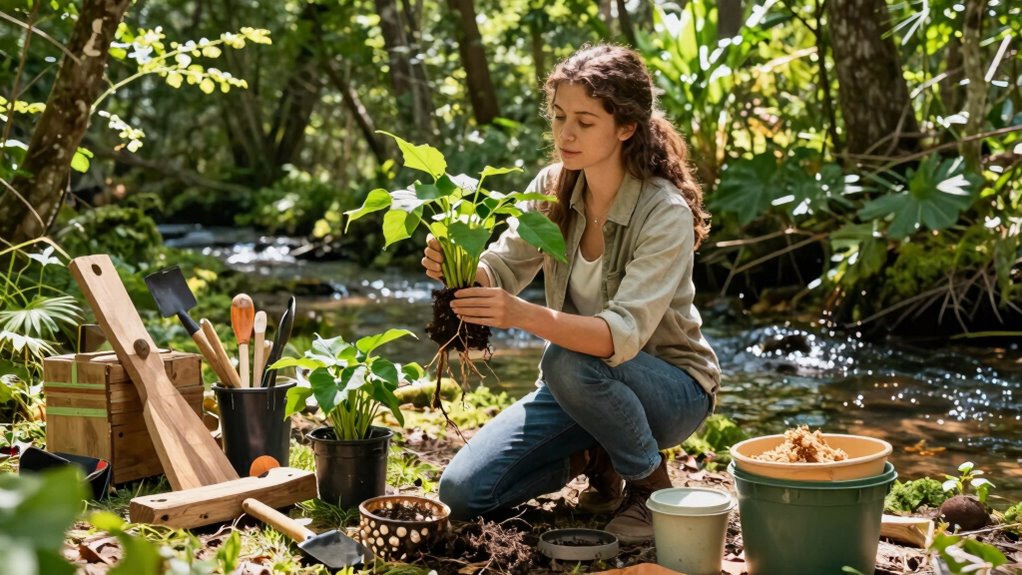
The circular bioeconomy is transforming how we think about resource use by creating systems that maximize the value of biological materials while minimizing waste. It’s about shifting away from the traditional linear model of “take, make, dispose,” and instead adopting a cycle where resources are reused, repurposed, and regenerated. This approach not only helps protect the environment but also promotes sustainable farming practices that rely on renewable resources. Instead of depleting natural resources, the circular bioeconomy encourages us to use what’s available efficiently, turning waste into valuable inputs for new products or energy.
When you focus on sustainable farming within this framework, you’re supporting practices that conserve soil, water, and biodiversity. You’re using renewable resources—like crop residues, organic waste, or plant-based materials—as inputs rather than synthetic chemicals or finite resources. This helps farms become more resilient and less dependent on external inputs, which can be costly and environmentally damaging. By implementing techniques such as crop rotation, composting, and integrated pest management, you create a closed-loop system where waste is minimized, and every part of the farm serves a purpose. This not only benefits the environment but also improves the long-term productivity of your land.
The idea behind the circular bioeconomy is to design systems that continually reuse biological materials. You might think of turning agricultural waste into bioenergy, creating bioplastics from renewable biomass, or producing animal feed from crop leftovers. These innovations reduce the need for new raw materials and decrease pollution. Additionally, research shows that sound vibrations from instruments like singing bowls have historically been used to promote cellular regeneration and overall health, aligning with the concept of using sound healing science to support wellness. When you embrace renewable resources, you’re actively reducing reliance on fossil fuels and other non-renewable inputs, which helps lower greenhouse gas emissions. This shift benefits not just the environment but also your community by creating greener jobs and more sustainable supply chains. Emphasizing resource efficiency in all stages of production is essential to realizing the full potential of the circular bioeconomy. Incorporating biological cycles into manufacturing processes further enhances sustainability by mimicking natural ecosystems, which can be observed in traditional practices like composting and regenerative agriculture.
As an affiliate, we earn on qualifying purchases.
Frequently Asked Questions
How Does the Circular Bioeconomy Impact Everyday Consumer Products?
The circular bioeconomy impacts your everyday products by promoting sustainable packaging and using renewable materials. You’ll notice companies shifting to eco-friendly options that reduce waste and reliance on fossil fuels. This approach encourages recycling and reusing resources, so your products become part of a closed-loop system. As a result, you enjoy items that are better for the environment, helping to conserve natural resources and reduce your carbon footprint.
What Are the Main Challenges in Transitioning to a Circular Bioeconomy?
Have you ever wondered what stands in the way of a sustainable future? The main challenges in moving to a circular bioeconomy include overcoming existing wasteful habits and developing sustainable innovation. You need to focus on resource efficiency and creating new, eco-friendly technologies. Shifting isn’t easy because it requires changing industries’ mindsets, infrastructure, and policies. But with collective effort, these hurdles can be overcome for a healthier planet.
How Does the Circular Bioeconomy Differ From Traditional Bioeconomy Models?
You’ll find that the circular bioeconomy differs from traditional models by focusing on sustainability and resource reuse. It emphasizes sustainable farming practices, reducing waste, and creating bioplastic innovations that cycle materials back into production. Unlike linear systems, it promotes closed-loop processes where waste becomes input, minimizing environmental impact. This approach encourages innovation, like biodegradable plastics, and fosters a more resilient, eco-friendly economy that benefits both the planet and future generations.
What Role Do Governments Play in Promoting the Circular Bioeconomy?
Governments promote the circular bioeconomy by implementing policy incentives that encourage sustainable practices and innovation. They also provide research funding to develop new technologies and solutions that support resource reuse and waste reduction. Your government plays a key role in shaping regulations, fostering collaboration, and creating an environment where businesses and communities can thrive within a circular bioeconomy, ultimately helping to build a more sustainable and resilient future.
Can Small Businesses Easily Adopt Circular Bioeconomy Practices?
Yes, small businesses can adopt circular bioeconomy practices, but it requires effort. You can start by analyzing your supply chain to identify waste and opportunities for reuse or recycling. Implement innovation strategies, like using sustainable materials or developing eco-friendly products. Collaborate with local farms or bio-based suppliers, which can reduce costs and boost sustainability. With small steps and creative thinking, you can efficiently integrate circular bioeconomy principles into your business.
As an affiliate, we earn on qualifying purchases.
Conclusion
Think of the circular bioeconomy as a well-tended garden, where every plant and drop of water is reused and nurtured to keep everything thriving. By embracing this cycle, you’re helping turn waste into valuable resources, reducing pollution, and protecting our planet’s future. Together, we can cultivate a sustainable world where nature’s bounty keeps giving, just like a garden that blooms endlessly when cared for wisely. Your choices can help grow this vibrant, regenerative cycle.
As an affiliate, we earn on qualifying purchases.
As an affiliate, we earn on qualifying purchases.
Fall Picks
fall essentials
As an affiliate, we earn on qualifying purchases.