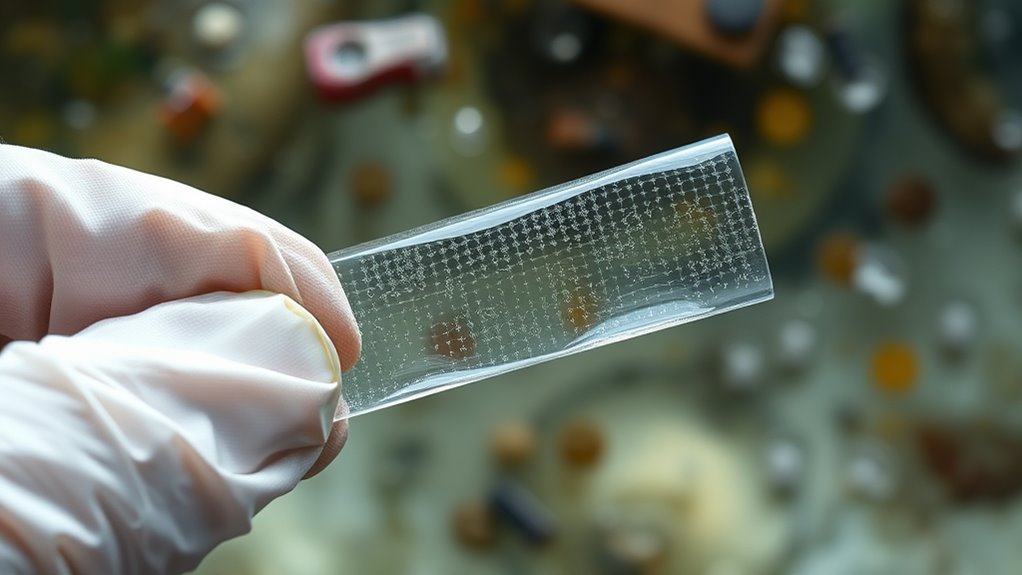

Ultrathin water filters are transforming global efforts to combat contamination, offering high efficiency and durability in a compact design. They remove bacteria, viruses, heavy metals, and organic pollutants with minimal energy use, making them suitable for both household and industrial needs. Thanks to their high permeability and longevity, they provide safer drinking water worldwide. If you continue exploring, you’ll uncover how these innovative filters are addressing some of today’s most pressing water safety challenges.

Prime made for students and young adults
- Fast, free delivery for dorm and study essentials
- Prime Video and Amazon Music included
- Member-only deals
Key Takeaways
- Ultrathin membrane filters effectively remove a wide range of contaminants, including bacteria, viruses, and dissolved salts, improving water safety globally.
- Their high permeability and low energy requirements enable scalable, cost-effective solutions for both household and industrial water treatment.
- Durable materials like polyamide and ceramic extend filter lifespan, reducing maintenance and making them suitable for resource-limited regions.
- Advanced ultrathin filters can be produced at scale and tailored for specific contamination challenges, enhancing global access to clean water.
- Their lightweight, efficient design supports deployment in remote areas, helping combat water pollution and public health threats worldwide.
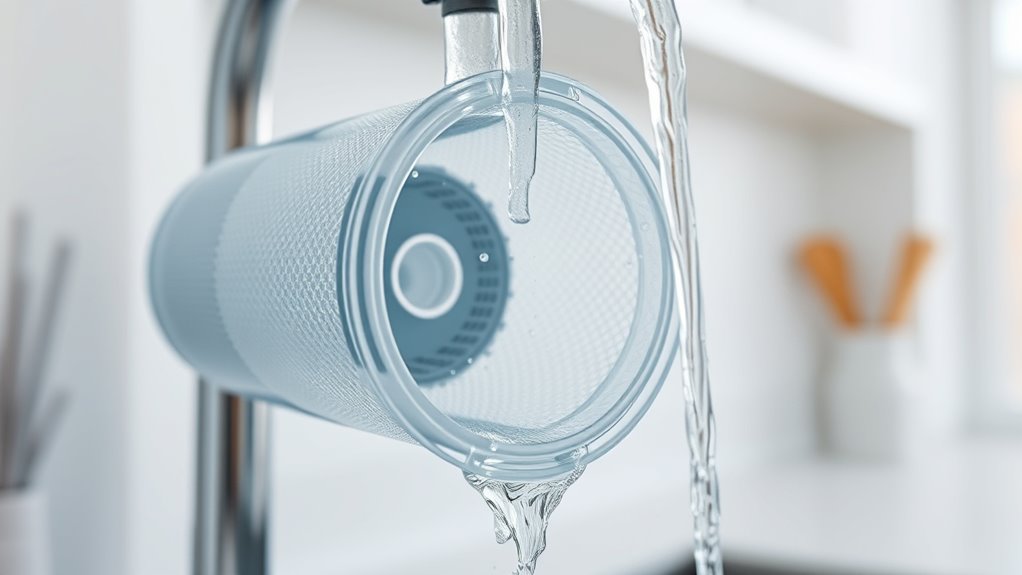
Contamination in drinking water poses serious health risks, making effective filtration essential. One of the most innovative solutions in water purification today involves the use of membrane filters, which are designed to remove a wide range of contaminants efficiently. Among these, ultrathin membrane water filters stand out because they combine high performance with minimal material use, making them both effective and practical for various applications.
Ultrathin membrane filters are characterized by their extremely thin layers, often just a few nanometers to micrometers thick. This thinness allows water to pass through quickly while still trapping harmful particles, bacteria, viruses, and chemical pollutants. Unlike traditional filters that rely on thicker, bulkier materials, these ultrathin membranes offer a high surface area in a compact form, which increases filtration efficiency. This means you get cleaner water faster, with less energy consumption and lower maintenance requirements.
Ultrathin membranes provide efficient, fast filtration with minimal energy use and maintenance.
These filters work primarily through processes like nanofiltration, ultrafiltration, or reverse osmosis, depending on their specific design and pore size. For instance, nanofiltration membranes can target dissolved salts and organic molecules, making them ideal for removing pesticides, pharmaceuticals, and other chemical contaminants. Ultrafiltration membranes, with slightly larger pores, excel at removing bacteria, protozoa, and some viruses. Reverse osmosis, which uses very tight membranes, can eliminate nearly all contaminants, including heavy metals and dissolved salts. The versatility of ultrathin membranes allows them to be adapted for various water treatment needs, from household filters to large-scale industrial systems.
One of the key advantages of ultrathin membrane filters is their ability to provide high-quality purification without remarkably restricting water flow. Their minimal thickness reduces pressure drop, meaning you don’t need as much force to push water through the filter. This results in lower energy use and longer-lasting filters, which can save you money over time. Additionally, these membranes are often made from durable materials like polyamide or ceramic, ensuring they withstand harsh conditions and prolonged use without degrading. Their high permeability is especially important for industrial applications where large volumes of water need to be processed efficiently.
In addressing global contamination issues, ultrathin membrane filters offer a promising solution because they can be produced at scale and tailored to specific needs. They are lightweight, compact, and require less water for backflushing or cleaning, making them suitable for remote or resource-limited areas. As technology advances, these filters are becoming more affordable and accessible, helping communities worldwide access safer drinking water. Their ability to efficiently remove a broad spectrum of contaminants makes them an essential tool in the ongoing fight against water pollution and public health threats.
ultrathin water filter for home use
As an affiliate, we earn on qualifying purchases.
As an affiliate, we earn on qualifying purchases.
Frequently Asked Questions
How Do Ultrathin Water Filters Compare to Traditional Filtration Methods?
You might wonder how ultrathin water filters stack up against traditional methods. Ultrathin filters, like ultrafiltration and reverse osmosis, remove a wider range of contaminants, including bacteria, viruses, heavy metals, and chemicals, more efficiently than traditional filters. They offer higher flow rates, less waste, and often combine multiple technologies for all-encompassing purification. While they may cost more upfront, their performance and environmental benefits make them a better choice for clean, safe water.
Are Ultrathin Filters Effective Against Chemical Contaminants?
Imagine a tiny, powerful shield blocking harmful chemicals from your water. Ultrathin filters are highly effective, often removing up to 98% of contaminants like PFAS, surpassing traditional options. They target chemical molecules with precision, thanks to innovative materials. While not perfect for every chemical, these filters are rapidly advancing, offering a promising, efficient barrier that keeps your water cleaner and safer, with ongoing improvements on the horizon.
What Is the Typical Lifespan of an Ultrathin Water Filter?
The typical lifespan of an ultrathin water filter usually ranges from 2 to 6 months, depending on your water quality and usage. You should replace it more frequently if your water has high levels of sediments or chemicals. To keep your water safe and tasting great, follow the manufacturer’s guidelines and monitor for signs like reduced flow or off taste, ensuring your filter performs efficiently.
Can Ultrathin Filters Remove Bacteria and Viruses?
Think of ultrathin filters as tiny gatekeepers, expertly blocking the smallest invaders. They can indeed remove bacteria and most viruses, thanks to their remarkable design. These filters use nanocellulose technology, capturing particles as small as 28 nanometers, including tiny viruses and bacteria. Their high efficiency, combined with fast flow rates, makes them a powerful tool in safeguarding your water. So, yes, ultrathin filters effectively remove bacteria and viruses, protecting your health.
Are Ultrathin Water Filters Environmentally Sustainable?
You might wonder if ultrathin water filters are eco-friendly. They are, since they use fewer raw materials, often made from sustainable or recyclable components, and can be designed for easy disassembly. Many operate passively without energy, reducing carbon footprints, and markedly cut plastic waste by replacing bottled water. Their durability and affordability make them a practical, scalable solution for reducing environmental impact globally, helping you promote sustainability in water access.
nanofiltration membrane water filter
As an affiliate, we earn on qualifying purchases.
As an affiliate, we earn on qualifying purchases.
Conclusion
Imagine holding an ultrathin water filter in your hand, its delicate surface shimmering as it works tirelessly to clear away unseen dangers. With every drop you drink, you’re helping to combat global contamination, turning murky, unsafe water into pure, life-giving clarity. These tiny filters act as silent guardians, transforming polluted streams into sources of hope. Together, you and these innovative filters can make a real difference—bringing clean water to those who need it most.
reverse osmosis ultrathin water filter
As an affiliate, we earn on qualifying purchases.
As an affiliate, we earn on qualifying purchases.
As an affiliate, we earn on qualifying purchases.
Halloween Picks
halloween
As an affiliate, we earn on qualifying purchases.