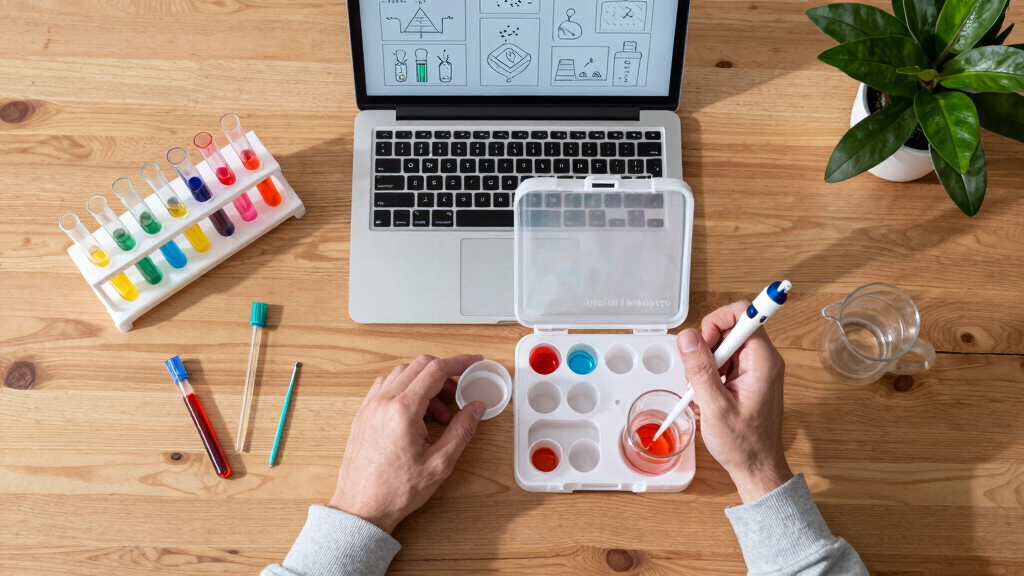
Searching for the best interactive science experiment kits can be overwhelming, given the variety of options available. The top pick, National Geographic Amazing Chemistry Set, offers over 100 experiments that grow with your child’s curiosity. The Kids Microscope Kit stands out for budding scientists interested in hands-on observation, while the National Geographic Junior Chemistry Set is perfect for early learners. Each kit balances educational value with fun, but tradeoffs include complexity versus age-appropriateness and price versus experiment variety. Continue reading for a detailed breakdown of the best options for different needs and budgets.

Prime made for students and young adults
- Fast, free delivery for dorm and study essentials
- Prime Video and Amazon Music included
- Member-only deals
Key Takeaways
- The best kits combine a high number of experiments with clear, age-appropriate instructions.
- Quality tools and safety features are a key factor, especially for younger children.
- Price correlates with experiment variety and build quality, but more expensive kits aren’t always better for beginners.
- Specialized kits, like microscopes or crystal growing sets, serve niche interests well but may lack broad versatility.
- Choosing the right kit depends heavily on the child’s age, curiosity level, and your budget constraints.
| National Geographic Junior Chemistry Set – Complete Early Learning Lab Kit with 50 Science Experiments and 20+ Lab Tools for Kids 4-6 |  | Best for Early Learners and Young Children | Number of Experiments: 50 | Lab Tools: 20+ | Recommended Age: 4+ | VIEW LATEST PRICE | See Our Full Breakdown |
| Light-up Crystal Growing Kit for Kids – STEM Science Experiment for Ages 8-12 |  | Best for Visual STEM Engagement and Night-time Display | Includes: USB Light-up Display, Micro-USB Cable, 3 Growing Cups, 3 Crystal Powder Bags, 3 Crystal Starters, Mixing Stick, Tweezers, Instruction Guide | Power Source: Micro-USB cable (included) | VIEW LATEST PRICE | See Our Full Breakdown | |
| National Geographic Amazing Chemistry Set – 100+ Science Experiments for Kids |  | Best for Extensive Hands-On Chemistry Exploration | Number of Experiments: 100+ | Included Materials: Test tubes, beakers, pipettes | Bonus Experiments: 85 | VIEW LATEST PRICE | See Our Full Breakdown |
| National Geographic Earth Science Kit – 100+ Science Experiments & Activities for Kids | 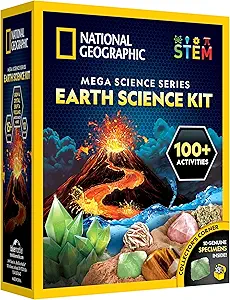 | Best for Earth Science and Geology Enthusiasts | Number of Experiments: Over 15 | Activities Included: Dueling water tornadoes, erupting volcano, crystal growing, geologic dig kits | Target Audience: Kids, Boys & Girls | VIEW LATEST PRICE | See Our Full Breakdown |
| Kids Science Kit STEM Toys – 70 Experiments for Ages 6-12 |  | Best for Broad Chemistry Introduction and Gift-Giving | Number of Experiments: 70 | Includes: Real lab equipment, protective gear, experiment manual | Recommended Age: 6-12 years | VIEW LATEST PRICE | See Our Full Breakdown |
| Doctor Jupiter My First Science Kit for Kids Ages 4-8 |  | Best for Early STEM Foundations | Included Components: 2 Beakers, 1 Conical Flask, 1 Spatula, 2 Stirring Sticks, 2 Spray Bottles, 2 Cups, 1 Funnel, 1 Safety Goggles, 1 Tray, Food Essences, Food Additives, Dried Leaves, Food Colours, Instruction Manual, Bonus Experiment Booklet | Age Range: 4-8 years | Standards: Meets ASTM F963-17 | VIEW LATEST PRICE | See Our Full Breakdown |
| UNGILINGA 40+ Experiments Science Kit for Kids – Chemistry Set, Educational Toy Gift for Boys and Girls |  | Best for Creative Chemistry Play | Number of Experiments: Over 40 | Suitable for: Kids | Includes: All necessary materials (excluding household items) | VIEW LATEST PRICE | See Our Full Breakdown |
| National Geographic Science Magic Kit – 100+ Experiments and Magic Tricks for Kids |  | Best for Fun Fusion of Science and Magic | Number of experiments: 100+ | Bonus experiments: 85+ | Includes: Magic wand, white gloves | VIEW LATEST PRICE | See Our Full Breakdown |
| Kids Microscope Kit with 40-1600x Magnification, STEM Educational Toy for Children Ages 6-12 |  | Best for Detailed Scientific Observation | Magnification Levels: 40x to 1600x | Eyepiece: WF10X | Objective Lenses: 4x, 10x, 40x | VIEW LATEST PRICE | See Our Full Breakdown |
| UNGILINGA 150 Experiments Science Kit for Kids, STEM Educational Project Toys, Volcano & Chemistry Lab Set |  | Best for Extensive STEM Exploration | Number of Experiments: 150 | Suitable for: Kids | Includes: Science tools, materials, manual | VIEW LATEST PRICE | See Our Full Breakdown |
| Doctor Jupiter Super Science Kit for Kids Age 8-12 | STEM Toys with 100+ Experiments |  | Best Overall for Versatility and Engagement | Age Range: 8-12 years | Number of Experiments: 100+ | Bonus Experiments: 60+ | VIEW LATEST PRICE | See Our Full Breakdown |
| National Geographic Gross Science Kit – 45 Gross Science Experiments for Kids 8-12 |  | Best for Gross and Entertaining Science Experiments | Number of Experiments: 45 | Recommended Age: 8-12 | Includes: Dissection tools, slime ingredients, household items | VIEW LATEST PRICE | See Our Full Breakdown |
| Doctor Jupiter Ultimate Science Kit, Chemistry Set for Kids Ages 8-14 |  | Best for In-Depth Chemistry and Creative Exploration | Number of experiments: 135+ | Bonus experiments: 90+ | Age range: 8-14 years | VIEW LATEST PRICE | See Our Full Breakdown |
| UNGLINGA 70 Lab Experiments Science Kit for Kids – Educational Chemistry Set with Volcano Eruption, Fruit Circuits, STEM Activities |  | Best for Introductory Chemistry and STEM Activities | Number of Experiments: 70 | Includes: Chemistry set, volcano model, fruit circuits | Age Range: Not specified | VIEW LATEST PRICE | See Our Full Breakdown |
| UNGLINGA 300+ Experiments Science Kit for Kids |  | Best for Extensive STEM and Multi-Disciplinary Learning | Number of Experiments: 300+ | Includes: Lab manual, test tubes, dropper, beaker, conical flask | Focus Areas: Science, Chemistry, Physics, STEM | VIEW LATEST PRICE | See Our Full Breakdown |
| interactive science experiment kit | Number of Experiments | Includes |
|---|---|---|
| National Geographic Junior Che | 50 | — |
| Light-up Crystal Growing Kit f | — | USB Light-up Display, Micro-USB Cable, 3 Growing Cups, 3 Crystal Powder Bags, 3 Crystal Starters, Mixing Stick, Tweezers, Instruction Guide |
| National Geographic Amazing Ch | 100+ | — |
| National Geographic Earth Scie | Over 15 | — |
| Kids Science Kit STEM Toys | 70 | Real lab equipment, protective gear, experiment manual |
| Doctor Jupiter My First Scienc | — | — |
| UNGILINGA 40+ Experiments Scie | Over 40 | All necessary materials (excluding household items) |
| National Geographic Science Ma | 100+ | Magic wand, white gloves |
| Kids Microscope Kit with 40-16 | — | — |
| UNGILINGA 150 Experiments Scie | 150 | Science tools, materials, manual |
| Doctor Jupiter Super Science K | 100+ | — |
| National Geographic Gross Scie | 45 | Dissection tools, slime ingredients, household items |
| Doctor Jupiter Ultimate Scienc | 135+ | — |
| UNGLINGA 70 Lab Experiments Sc | 70 | Chemistry set, volcano model, fruit circuits |
| UNGLINGA 300+ Experiments Scie | 300+ | Lab manual, test tubes, dropper, beaker, conical flask |
More Details on Our Top Picks
National Geographic Junior Chemistry Set – Complete Early Learning Lab Kit with 50 Science Experiments and 20+ Lab Tools for Kids 4-6
This set stands out for its focus on introducing very young children to chemistry through a wide variety of 50 experiments that use household items. Compared with the National Geographic Amazing Chemistry Set, which offers more advanced experiments, this kit is better suited for preschoolers and early elementary students. The child-safe tools and illustrated instructions make it accessible, but safety supervision remains essential given the young age. The limited complexity means it fosters curiosity without overwhelming, though it may not challenge older or more experienced kids. Its durability and engaging variety make it a strong choice for parents wanting safe, age-appropriate science fun.
Pros:- Wide variety of experiments to keep young kids engaged
- Child-safe, durable lab tools for safe experimentation
- Easy-to-follow illustrated instructions suitable for preschoolers
Cons:- Requires adult supervision for safety during experiments
- Limited to basic household items, restricting complexity
Best for: Parents of children aged 4-6 seeking safe, engaging, and easy-to-understand chemistry experiments.
Not ideal for: Older children or those ready for more complex experiments, as the activities are quite basic and geared toward early learners.
- Number of Experiments:50
- Lab Tools:20+
- Recommended Age:4+
- Awards:Toy of the Year Award
Our verdict“This kit is ideal for parents wanting a safe, engaging introduction to chemistry for preschoolers who are just starting to explore science at home.”
Light-up Crystal Growing Kit for Kids – STEM Science Experiment for Ages 8-12
This pick makes the most sense for children who enjoy colorful, visually appealing projects, standing out from the other kits with its illuminated display. Compared to the National Geographic Amazing Chemistry Set, which offers a broader range of experiments, this kit focuses specifically on crystallography and the wow factor of light-up crystals. The inclusion of a USB-powered LED display elevates the experience but limits portability, and the crystals take several days to grow, which might test patience. Some users may find the setup process challenging, especially younger children. Nevertheless, it offers a captivating blend of science and visual display that can inspire a deeper interest in STEM subjects.
Pros:- Engages children in crystallography and STEM learning
- Includes a stunning light-up display for night-time use
- Comprehensive kit with all necessary tools and instructions
Cons:- Requires USB power source, limiting portability
- Crystals take several days to fully grow, testing patience
- Setup may be challenging for some children
Best for: Children aged 8-12 who enjoy visual, creative science projects with a decorative element.
Not ideal for: Kids under 8 or those seeking a broader range of experiments, as this kit is highly specialized and requires patience for crystal growth.
- Includes:USB Light-up Display, Micro-USB Cable, 3 Growing Cups, 3 Crystal Powder Bags, 3 Crystal Starters, Mixing Stick, Tweezers, Instruction Guide
- Power Source:Micro-USB cable (included)
Our verdict“Ideal for kids who love colorful displays and want to explore crystallography with a visually rewarding project that glows in the dark.”
National Geographic Amazing Chemistry Set – 100+ Science Experiments for Kids
This kit offers an impressive array of over 100 experiments, including crystal growing, color-changing solutions, and glowing test tubes, making it suitable for kids eager to explore a wide range of chemistry topics. Compared to the Kids Science Kit STEM Toys, which provides 70 experiments, this set has a broader scope and more variety, but it may also be more overwhelming and require more supervision. The inclusion of real scientific tools enhances authenticity, yet some experiments need household items not included, which might complicate planning. Its large content volume makes it ideal for dedicated young science enthusiasts, though parents should be mindful of safety and the need for adult oversight.
Pros:- Over 100 hands-on science activities for a rich learning experience
- Includes real scientific tools like test tubes and beakers
- Bonus guide with 85 additional experiments using household items
Cons:- May require adult supervision, especially for younger children
- Some experiments need household items not included in the kit
Best for: Kids with a strong interest in chemistry who want to perform many different experiments, preferably with some adult supervision.
Not ideal for: Younger children or beginners who may find the large number of experiments and complexity intimidating without prior experience.
- Number of Experiments:100+
- Included Materials:Test tubes, beakers, pipettes
- Bonus Experiments:85
Our verdict“Best suited for older, science-curious children who want a comprehensive and authentic chemistry experience with plenty of experiments to explore.”
National Geographic Earth Science Kit – 100+ Science Experiments & Activities for Kids
This kit makes the list for its variety of earth science experiments, including volcano eruptions, crystal growing, and geologic digs. Compared with the Kids Science Kit, which offers more chemistry-focused activities, this set emphasizes earth sciences, making it ideal for budding geologists. The detailed guide helps children understand complex concepts, and the durable materials support multiple uses. However, some experiments require adult supervision, and the overall complexity may be better suited for older children or those with some prior science experience. If your child is fascinated by geology and earth processes, this kit offers a hands-on, educational experience that combines fun with learning.
Pros:- Engaging experiments like volcanoes and geologic digs
- Educational guide enhances understanding of Earth sciences
- High-quality, durable materials for repeated use
Cons:- Some experiments need adult supervision
- Limited info on total component count and complexity for younger children
Best for: Children interested in geology, earth science, and natural phenomena, especially those with some prior science experience.
Not ideal for: Younger kids or those primarily interested in chemistry, as the activities focus more on earth sciences and may be complex for beginners.
- Number of Experiments:Over 15
- Activities Included:Dueling water tornadoes, erupting volcano, crystal growing, geologic dig kits
- Target Audience:Kids, Boys & Girls
- Educational Focus:Earth sciences, STEM
Our verdict“Perfect for aspiring geologists and earth science fans ready to explore natural phenomena through hands-on activities.”
Kids Science Kit STEM Toys – 70 Experiments for Ages 6-12
This kit offers a well-rounded introduction to chemistry with 70 experiments, making it suitable for kids interested in a variety of topics like volcanoes and crystals. Compared with the National Geographic Junior Chemistry Set, which is more age-specific and beginner-friendly, this set spans a broader age range and includes real lab equipment and safety gear, making it more versatile. It’s a strong choice for gifting, as it combines educational value with fun, but some experiments may require adult supervision, especially for smaller parts. For children curious about science and ready for more hands-on, varied activities, this kit delivers both educational content and entertainment.
Pros:- Includes 70 experiments covering different chemistry topics
- Real lab equipment and safety gear for authentic experience
- Encourages curiosity and scientific thinking through varied activities
Cons:- Some experiments may require adult supervision
- Limited info on the complexity levels of individual experiments
Best for: Children aged 6-12 who want a comprehensive, hands-on chemistry experience with safety gear included, making it suitable as a gift.
Not ideal for: Very young kids or beginners who need simpler activities, as some experiments and parts might be complex or small for younger children.
- Number of Experiments:70
- Includes:Real lab equipment, protective gear, experiment manual
- Recommended Age:6-12 years
Our verdict“A versatile and engaging chemistry kit ideal for curious kids wanting a broad, fun introduction to science with safety features included.”
Doctor Jupiter My First Science Kit for Kids Ages 4-8
This kit stands out for its impressive collection of over 100 experiments tailored specifically for young children aged 4 to 8. Its easy-to-follow instructions and high safety standards make it ideal for introducing kids to scientific concepts without overwhelming them. Compared with the UNGILINGA 150 Experiments Kit, this set prioritizes simplicity and age-appropriate activities, though it offers fewer advanced options for older or more curious children. The inclusion of safety gear and non-toxic materials provides peace of mind for parents, but some experiments may require adult supervision, and components might need replacement over time. Overall, this kit makes the most sense for parents seeking a comprehensive, safe introduction to science for their young children.
Pros:- Over 100 experiments to spark curiosity in young children
- Includes detailed, easy-to-follow instructions
- High safety standards with quality, non-toxic materials
- Great for gift-giving occasions
Cons:- Requires adult supervision for many activities
- Limited to the specified age range, less suitable for older kids
- Some components may wear out or need replacement
Best for: Parents of children aged 4-8 who want a safe, engaging, and educational starter kit
Not ideal for: Older children or those seeking more complex or advanced experiments beyond basic science concepts
- Included Components:2 Beakers, 1 Conical Flask, 1 Spatula, 2 Stirring Sticks, 2 Spray Bottles, 2 Cups, 1 Funnel, 1 Safety Goggles, 1 Tray, Food Essences, Food Additives, Dried Leaves, Food Colours, Instruction Manual, Bonus Experiment Booklet
- Age Range:4-8 years
- Standards:Meets ASTM F963-17
- Model Number:DJ Junior Science
- Manufacturer:Metis Learning Solutions Pvt. Ltd.
Our verdict“This kit is perfect for parents wanting a safe, extensive introduction to science for early learners.”
UNGILINGA 40+ Experiments Science Kit for Kids – Chemistry Set, Educational Toy Gift for Boys and Girls
This kit makes the list for its diverse range of over 40 experiments that focus on chemistry and science concepts, offering hands-on activities like creating bouncy balls and lava lamps. Compared with the Doctor Jupiter My First Science Kit, it targets slightly older children who can handle more detailed steps and a broader variety of experiments. The instructions are clear and child-friendly, but some household items outside the kit are necessary, which might be inconvenient for some users. While it encourages creative problem-solving and experimentation, it might feel limited for children interested in more advanced scientific exploration. Overall, this kit is best suited to kids who enjoy experimenting with chemical reactions and want more variety than simpler kits offer.
Pros:- Wide variety of engaging experiments
- Clear, easy-to-understand instructions
- Stimulates creativity and hands-on learning
- Makes a versatile educational gift
Cons:- Requires household items not included in the kit
- May be less suitable for children seeking highly advanced science
- Limited activities for children over 12
Best for: Children interested in chemistry and creative science experiments, especially ages 6-12
Not ideal for: Younger children under 6 or kids seeking complex or highly advanced scientific projects
- Number of Experiments:Over 40
- Suitable for:Kids
- Includes:All necessary materials (excluding household items)
Our verdict“This kit is ideal for kids who love chemistry and creative science play, offering many experiments for curious minds.”
National Geographic Science Magic Kit – 100+ Experiments and Magic Tricks for Kids
This kit combines science and magic, making it stand out with over 100 experiments and 20 magic tricks, including snow-making and square bubbles. It appeals to children who enjoy the theatrical aspect of science, much like the National Geographic Magic Kit. Its large number of experiments, supplemented by a bonus guide with 85+ additional activities, fuels creativity and STEM learning. However, many experiments require adult supervision, and some household items may be necessary. Compared to other kits focusing solely on traditional sciences, this one emphasizes entertainment intertwined with education, which might appeal more to kids who prefer playful exploration. It’s perfect for children who love combining science with a bit of magic and spectacle.
Pros:- Blends science and magic for engaging learning
- Over 100 experiments plus bonus activities
- Includes magic wand and gloves to enhance performance
- Stimulates creativity and STEM skills
Cons:- Requires adult supervision for many tricks
- Some experiments need household items not included
- Less focus on traditional science fundamentals
Best for: Kids fascinated by magic tricks and science, ages 7-12
Not ideal for: Children seeking purely scientific experiments without the performative element
- Number of experiments:100+
- Bonus experiments:85+
- Includes:Magic wand, white gloves
Our verdict“This kit is perfect for curious kids who enjoy entertaining science magic and creative experiments.”
Kids Microscope Kit with 40-1600x Magnification, STEM Educational Toy for Children Ages 6-12
This microscope kit offers a broad magnification range from 40x to 1600x, making it ideal for children eager to explore micro-worlds. Its included accessories, like prepared slides and a cell phone adapter, make it particularly suited for detailed, close-up scientific study. Compared with the UNGILINGA kits, which focus on hands-on experiments, this set emphasizes observation and analysis, encouraging deeper scientific inquiry. The dual illumination system improves image clarity, but the complexity of setup and small parts may challenge very young children and require adult assistance. Its durability and portability support ongoing exploration, making it a strong choice for budding scientists interested in microscopy.
Pros:- Wide magnification range for detailed viewing
- Includes essential accessories for experiments and observation
- Dual illumination enhances image clarity
- Portable and durable design
Cons:- Requires adult supervision for setup and operation
- Small parts may be lost or pose a choking hazard
- Complex assembly may be difficult for younger children
Best for: Children aged 6-12 who want to explore microscopic worlds and develop observation skills
Not ideal for: Children under 6 or those not interested in detailed scientific investigation
- Magnification Levels:40x to 1600x
- Eyepiece:WF10X
- Objective Lenses:4x, 10x, 40x
- Included Accessories:Prepared slides, cell phone adapter, experiment kit
- Lighting:Dual illumination system
- Material:Shockproof and drop-proof packaging
Our verdict“This microscope kit is best for young explorers eager to discover microscopic details and develop STEM skills.”
UNGILINGA 150 Experiments Science Kit for Kids, STEM Educational Project Toys, Volcano & Chemistry Lab Set
This comprehensive kit includes 150 experiments covering earth science, surface tension, chemistry, and physics, offering a broad scope for curious children. It surpasses many other kits, like Doctor Jupiter’s, in variety and depth, making it suitable for children who want a deeper dive into multiple scientific fields. Its well-illustrated manual and high-quality tools support meaningful learning, but some experiments may need household items not included, and supervision remains important. The manual’s simplicity could be a limitation for older or more advanced students seeking more complex projects. Overall, this set is ideal for children eager to explore a wide range of science topics in one comprehensive package.
Pros:- Large number of experiments for extensive learning
- High-quality tools and materials included
- Wide coverage of science topics
- Engages kids with varied scientific interests
Cons:- Requires supervision for safety during experiments
- Some experiments need household items not included
- Manual may be too basic for older students
Best for: Kids who enjoy exploring diverse scientific topics with a large, all-in-one kit
Not ideal for: Younger children under 6 or those seeking only simple experiments
- Number of Experiments:150
- Suitable for:Kids
- Includes:Science tools, materials, manual
- Topics Covered:Earth science, surface tension, chemistry, physics
Our verdict“This kit is perfect for children eager for a broad and detailed science exploration experience across multiple disciplines.”
Doctor Jupiter Super Science Kit for Kids Age 8-12 | STEM Toys with 100+ Experiments
This kit stands out for its impressive collection of over 100 experiments, making it ideal for children eager to explore multiple branches of science. Compared to the National Geographic Gross Science Kit, which focuses on more specific gross experiments, this kit offers a broader range, fostering curiosity across disciplines. Its clear instructions and bonus experiments provide excellent value, but the chemical materials require close supervision, especially for younger children. The extensive variety means some experiments may be repetitive or less challenging for advanced kids, and handling chemicals can be a concern for parents. Overall, this kit is a solid choice for families seeking a comprehensive science experience that balances fun and education.
Pros:- Offers over 100 experiments for extensive exploration
- Includes clear, easy-to-follow instructions suitable for kids and parents
- Encourages STEM learning and critical thinking
Cons:- Requires supervision for safety during chemical experiments
- Chemical materials may need careful handling and storage
Best for: Children aged 8-12 who want a wide-ranging, all-in-one science kit to explore different fields of science.
Not ideal for: Parents seeking a low-maintenance kit with minimal supervision, or younger children under 8 who might find chemical handling daunting.
- Age Range:8-12 years
- Number of Experiments:100+
- Bonus Experiments:60+
- Materials:Chemical materials in leak-proof bottles
Our verdict“This kit is perfect for inquisitive kids and families looking for a comprehensive and engaging science adventure.”
National Geographic Gross Science Kit – 45 Gross Science Experiments for Kids 8-12
This kit excels at engaging kids with its focus on gross science activities like slime-making and dissection, making it ideal for children who enjoy tactile, messy fun. Compared to the Doctor Jupiter Super Science Kit, which offers a broader science spectrum, this one specializes in gross science, helping kids understand biological and chemical concepts through hands-on gross experiments. It includes kid-friendly instructions and necessary tools, but the messiness and limited materials for multiple uses can be drawbacks. The experiments may require adult supervision due to dissection and potential mess, and some ingredients might run out quickly. It’s best suited for children who prefer tactile, gross experiments over more conventional science topics.
Pros:- Engages children with fun, gross experiments
- Educational insights into polymers and chemical reactions
- Includes detailed, kid-friendly instructions
Cons:- Experiments can be messy and require supervision
- Limited materials may not support extensive reuse
Best for: Kids aged 8-12 who love messy, gross science activities and hands-on dissection or slime-making projects.
Not ideal for: Families seeking a broader science range or kids who prefer neat, less messy experiments.
- Number of Experiments:45
- Recommended Age:8-12
- Includes:Dissection tools, slime ingredients, household items
Our verdict“This kit is ideal for kids who thrive on messy, engaging science experiences centered around gross fun.”
Doctor Jupiter Ultimate Science Kit, Chemistry Set for Kids Ages 8-14
This extensive chemistry set surpasses the Doctor Jupiter Super Science Kit with over 135 experiments, offering deeper exploration into chemical reactions, glowing water, and magic potions. It’s ideal for children aged 8 to 14 who want to dive into chemistry with a variety of colorful, intriguing experiments that foster creativity and problem-solving. While the detailed instructions and leak-proof materials promote safe experimentation, some activities require adult supervision, especially with chemicals. The broad range keeps kids engaged longer, but the complexity might be overwhelming for younger or less experienced children. This kit makes the most sense for families seeking a comprehensive chemistry-focused experience that encourages independent learning alongside parent-guided projects.
Pros:- Contains over 135 experiments for in-depth chemistry exploration
- Encourages STEM skills, creativity, and problem-solving
- Includes clear instructions and leak-proof materials
Cons:- Some experiments require adult supervision
- Chemical handling needs careful oversight
Best for: Children aged 8-14 with a keen interest in chemistry and a desire for an extensive, creative science kit.
Not ideal for: Parents of younger kids under 8 or those seeking a quick, simple science activity with minimal supervision.
- Number of experiments:135+
- Bonus experiments:90+
- Age range:8-14 years
- Materials:Chemical materials in leak-proof bottles
Our verdict“This kit is perfect for ambitious young scientists eager to explore chemistry in detail and develop problem-solving skills.”
UNGLINGA 70 Lab Experiments Science Kit for Kids – Educational Chemistry Set with Volcano Eruption, Fruit Circuits, STEM Activities
This kit offers a diverse set of 70 experiments, including volcano eruptions and fruit circuits, making it suitable for children interested in science but perhaps not ready for more complex chemistry. Compared to the Doctor Jupiter Ultimate Science Kit, which is more comprehensive, this set provides a good balance of engaging experiments with straightforward instructions, fostering curiosity and foundational STEM skills. The lack of a specified age range and limited details on experiment depth mean it might be better suited for younger or beginner science learners. Supervision is recommended for some activities, but the safe, child-friendly ingredients make it accessible for early learners seeking a gentle introduction to science concepts.
Pros:- Provides a wide variety of engaging experiments
- Includes clear instructions and educational insights
- Uses safe, child-friendly ingredients
Cons:- Age range not specified, may not suit very young children
- No detailed info on experiment complexity or depth
Best for: Younger children or beginners interested in basic chemistry and STEM activities without the complexity of more advanced kits.
Not ideal for: Older kids or those seeking a highly detailed or extensive science experience, as the set may be too simplified.
- Number of Experiments:70
- Includes:Chemistry set, volcano model, fruit circuits
- Age Range:Not specified
- Educational Focus:Chemistry, STEM activities, scientific process
Our verdict“This kit is well-suited for newcomers to science and younger children looking for simple, fun STEM activities.”
UNGLINGA 300+ Experiments Science Kit for Kids
This comprehensive kit surpasses others with over 300 experiments spanning chemistry, physics, and general science, making it ideal for kids eager for an all-encompassing STEM journey. Unlike the Doctor Jupiter Ultimate Science Kit, which emphasizes chemistry, this set offers a broader spectrum, including physics experiments and detailed lab tools like test tubes and beakers. The extensive number of experiments provides endless opportunities for exploration, but it also means a higher level of supervision and potential messiness. The included lab manual supports safe, structured learning, yet some experiments may require additional household items. This kit is best suited for dedicated young scientists with a serious interest in multiple scientific disciplines, willing to handle the complexity and cleanup involved.
Pros:- Offers over 300 experiments covering multiple science fields
- Includes detailed, illustrated lab manual for safe experimentation
- Encourages critical thinking and problem-solving
Cons:- Requires adult supervision for many experiments
- Potential for mess and need for additional household items
Best for: Serious young science enthusiasts ready for a large, multidisciplinary experiment collection and capable of adult supervision.
Not ideal for: Casual or younger children who prefer simpler, less involved science activities or have limited space for messy experiments.
- Number of Experiments:300+
- Includes:Lab manual, test tubes, dropper, beaker, conical flask
- Focus Areas:Science, Chemistry, Physics, STEM
Our verdict“This kit is perfect for older, dedicated science lovers seeking an all-in-one, extensive STEM experience with ample challenge.”
How We Picked
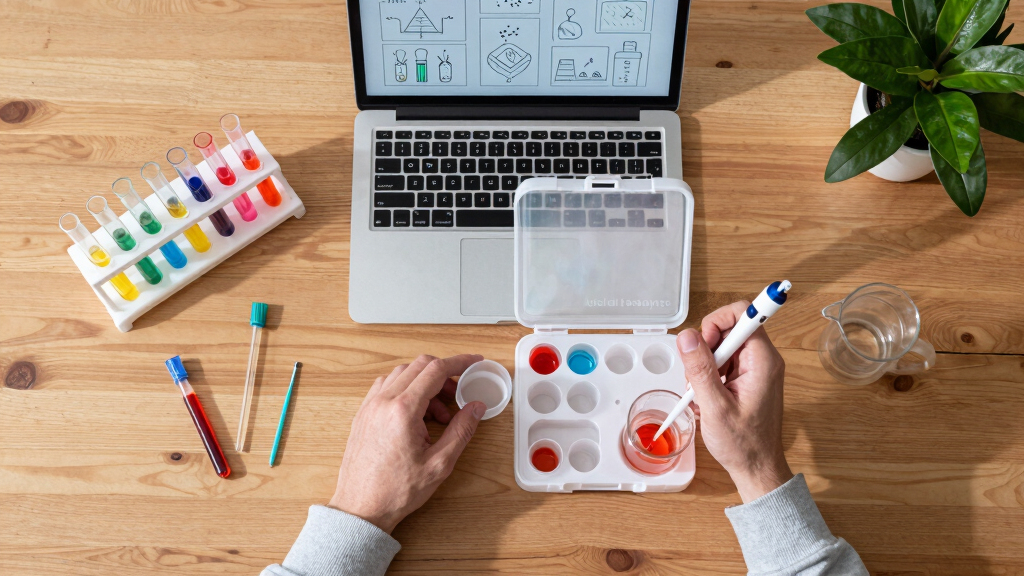
I evaluated these science kits based on several key criteria: the number and diversity of experiments, age-appropriateness, safety features, build quality, and instructional clarity. Kits that offered a wide range of activities suited different skill levels and kept children engaged longer received higher rankings. I also considered user reviews and the reputation of the brands, prioritizing products that consistently deliver educational value and durability. The ranking reflects the best balance of comprehensive content, safety, and value for different age groups and interests, ensuring that each top pick offers a meaningful learning experience without unnecessary complexity or cost.Factors to Consider When Choosing Interactive Science Experiment Kits
Selecting the right interactive science experiment kit involves more than just counting experiments. Consider your child’s age and curiosity, as kits designed for beginners may lack the depth for more advanced learners. Safety features, such as non-toxic materials and sturdy tools, are essential, especially for younger children. The variety of experiments can determine how long a child remains engaged, so think about whether you prefer a broad set or one focused on a specific topic like chemistry or microscopy. Budget also plays a role: higher-priced kits often include better-quality tools and more experiments, but there are excellent affordable options as well. Lastly, look for clear, easy-to-understand instructions to ensure a smooth and educational experience.Age and Skill Level
Matching the kit to your child’s age and skill level helps maximize engagement and safety. Kits for young children typically feature larger, non-toxic components and simple experiments, while those for older kids can include more complex procedures and delicate tools. Choosing a kit that slightly challenges your child’s current abilities encourages growth without causing frustration. Avoid overly advanced sets for beginners, as they can be intimidating or unsafe without proper supervision. Conversely, very simple kits may bore older children looking for deeper learning, so consider their current interests and curiosity.
Safety and Quality
Safety should be a top priority, especially when young children are involved. Look for kits that specify non-toxic, BPA-free, and child-safe materials. Sturdy, well-made tools reduce the risk of breakage during use, preventing potential injuries. Reading reviews about durability and safety features can reveal hidden flaws. Remember, a kit with a lot of small parts or fragile tools might require close supervision or replacement over time. Investing in quality tools also means a more reliable and enjoyable experience, boosting confidence in your child’s learning process.
Experiment Variety and Educational Focus
The number of experiments and their diversity can greatly influence how long your child remains interested. Broader sets that cover multiple topics—like chemistry, geology, and physics—offer a well-rounded STEM experience. However, specialized kits can deepen understanding of a specific area, such as microscopy or crystal growth. Consider whether you want a kit that provides a quick introduction or one that offers sustained, in-depth exploration. The clarity of instructions and the inclusion of educational materials also impact how effectively your child learns from each experiment.
Price and Value
Price often reflects the quantity and quality of components, but higher cost doesn’t always mean better value. Affordable kits can provide excellent experiments for beginners or casual use, while premium options tend to include more durable tools and comprehensive instructions. Think about how often your child will use the kit—investing more makes sense if it will be a long-term resource. Also, consider whether the kit includes consumables, such as chemicals or replacement parts, which can add ongoing value. Balancing cost with your expectations for educational depth will help you find a suitable option.
Ease of Use and Instructions
Clear, step-by-step instructions are crucial for a positive learning experience, especially for children who are new to science kits. Look for kits that include visual aids, simple language, and safety warnings. Some products come with online tutorials or videos, which can enhance understanding and engagement. Avoid kits with overly complicated procedures that might frustrate young learners or require adult supervision for every step. Well-designed instructions empower children to explore independently while ensuring safety and maximizing educational value.
Frequently Asked Questions
Are science experiment kits safe for young children?
Most science kits designed for children are crafted with safety in mind, using non-toxic, BPA-free, and child-safe materials. However, adult supervision remains essential, especially when handling chemicals, small parts, or delicate tools. Reading safety warnings and instructions carefully before use helps prevent accidents. Choosing age-appropriate kits reduces risk and ensures the experiments are manageable for young hands. Over time, as children grow and demonstrate responsibility, they can handle more complex and potentially hazardous experiments under supervision.
How many experiments should a good science kit include?
The number of experiments varies widely, but a quality kit typically offers at least 20-50 activities to provide substantial engagement. Kits with a larger number of experiments maximize learning and value, especially if they cover different scientific topics. However, quantity should not come at the expense of quality; clear instructions and meaningful learning outcomes matter more. For casual or beginner use, fewer but well-designed experiments may be sufficient. For more dedicated young scientists, extensive kits with 100+ experiments can sustain interest over months.
Can these kits be used independently by children?
Many science kits are designed with beginner-friendly instructions that allow children to explore independently, fostering confidence and curiosity. However, adult supervision is often recommended for younger children to ensure safety, especially with chemicals or fragile tools. Kits with visual guides or online tutorials make independent exploration easier and more rewarding. It’s important to choose a kit aligned with your child’s age and skill level to prevent frustration and ensure they get the most educational benefit from their experiments.
Are more expensive science kits worth the extra cost?
Higher-priced kits often include higher-quality tools, more experiments, and comprehensive instructions, which can justify the additional expense if your child is highly interested in STEM activities. They tend to last longer and offer a more immersive experience, especially for more advanced learners. However, affordable kits can still provide excellent value for beginners or casual users, especially if they include a good variety of experiments and safe, durable components. Balancing your budget with your child’s interests and your expectations will help you decide whether the extra cost is worthwhile.
What should I consider if my child is a beginner in science experiments?
If your child is new to science experiments, look for kits with simple, clear instructions, larger parts, and a limited number of experiments that build foundational skills. Safety features are paramount, and kits designed for early learners often include non-toxic materials and age-appropriate tools. Starting with a basic set that covers core scientific concepts helps prevent frustration and builds confidence. As your child’s curiosity grows, you can move to more complex kits that challenge their developing skills and interests.
Conclusion
For families just beginning their STEM journey, the National Geographic Junior Chemistry Set offers an excellent introduction at an affordable price. If you want a versatile, comprehensive experience for an older child, the National Geographic Amazing Chemistry Set leads with its wide variety of experiments. Parents seeking a high-quality, long-term tool may find the Doctor Jupiter Ultimate Science Kit worth the investment, especially for dedicated young scientists. For younger children or beginners, kits like Doctor Jupiter My First Science Kit provide a gentle, engaging start. Consider your child’s age, curiosity, and your budget to choose the best interactive science experiment kit that sparks their love for discovery.
Columbus Day / Indigenous Peoples' Day Picks
long weekend sales
As an affiliate, we earn on qualifying purchases.