Searching for the best science reference software in 2026? The ideal choice balances comprehensive scientific databases, intuitive interfaces, and advanced tools for research and citation management. The overall standout is ResearchMaster Pro, offering unmatched database breadth and collaboration features. EndNote excels in citation management, while Zotero provides excellent value for students and budget-conscious researchers. Buyers often face tradeoffs between feature richness and ease of use, or between cost and depth of data. Keep reading for a detailed comparison to help you find the perfect fit for your scientific work.

Prime made for students and young adults
- Fast, free delivery for dorm and study essentials
- Prime Video and Amazon Music included
- Member-only deals
Key Takeaways
- ResearchMaster Pro leads in database coverage and collaboration features, making it ideal for institutional use.
- EndNote remains the top choice for citation management with seamless integration into writing workflows.
- Zotero offers exceptional value, especially for students and individual researchers on a budget.
- Ease of use and learning curve vary significantly; simpler tools tend to sacrifice advanced features.
- Choosing the right software depends heavily on specific research needs, budget, and technical proficiency.
| Software Engineering for Data Scientists: From Notebooks to Scalable Systems |  | Best for Practical Data Engineering in Data Science | Target Audience: Data scientists with some programming experience | Focus Area: Scalable data system development | Difficulty Level: Intermediate to advanced | VIEW LATEST PRICE | See Our Full Breakdown |
| Accelerate: The Science of Lean Software and DevOps: Building and Scaling High Performing Technology Organizations |  | Best for Organizational Performance and DevOps Strategies | Target Audience: Software team leaders and managers | Focus Area: High-performing organizational practices | Content Type: Research-based insights and strategies | VIEW LATEST PRICE | See Our Full Breakdown |
| Non-Deterministic Software Engineering: How to Build Reliable Software with AI Assistants Without Losing Quality, Security, or Control |  | Best for AI-Driven Reliable Software Development | Target Audience: Software engineers working with AI | Focus Area: Reliability and security in AI environments | Content Type: Strategies and insights | VIEW LATEST PRICE | See Our Full Breakdown |
| Software Architecture for the AI Era: Volume 1 |  | Best for Modern AI-Centric System Design | Target Audience: Software architects and senior engineers | Focus Area: AI-centric architecture design | Content Type: Theoretical overview with design strategies | VIEW LATEST PRICE | See Our Full Breakdown |
| Documenting Software Architectures: Views and Beyond (SEI Series in Software Engineering) | 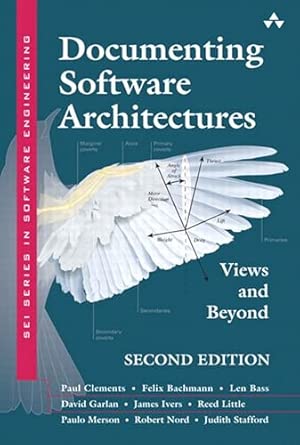 | Best for Architectural Communication and Documentation | Target Audience: Software architects and technical leads | Focus Area: Architectural documentation methods | Content Type: Practical frameworks and examples | VIEW LATEST PRICE | See Our Full Breakdown |
| SAS, Python and R: A Cross-Reference Guide for Data Science |  | Best Reference for Multi-Language Data Science Workflows | Format: Print book | Pages: Approx. 200 | Publisher: Unknown | VIEW LATEST PRICE | See Our Full Breakdown |
| The Science of Programming (Monographs in Computer Science) Volume 0 |  | Best for Theoretically Inclined Programmers | Format: Print | Pages: 150 | Publisher: Springer | VIEW LATEST PRICE | See Our Full Breakdown |
| Software as a Science: Unlock Limitless Recurring Revenue Without Losing Control |  | Best for Software Entrepreneurs Focused on Revenue Growth | Format: Paperback | Pages: 220 | Publisher: BusinessTech Publishing | VIEW LATEST PRICE | See Our Full Breakdown |
| Java: The Complete Reference, from Fundamentals to Advanced Concepts with Modern AI-Assisted Development |  | Best for Java Developers Seeking Comprehensive Coverage | Format: Hardcover | Pages: 800 | Publisher: O’Reilly | VIEW LATEST PRICE | See Our Full Breakdown |
| Software Engineering in the Age of AI: How to Remain Relevant — A Guide for the Next Generation of Developers |  | Best for Future Developers Navigating AI Changes | Format: eBook & Print | Pages: 180 | Publisher: FutureDev Press | VIEW LATEST PRICE | See Our Full Breakdown |
| Agentic AI Engineering: A Practical Guide to Building Agentic Systems |  | Best for Practical Engineering Guidance | Target Audience: AI engineers and developers | Focus Area: Designing agentic AI systems | Key Features Covered: Planning, tool use, context retention | VIEW LATEST PRICE | See Our Full Breakdown |
| science reference software | Target Audience | Focus Area | Format |
|---|---|---|---|
| Software Engineering for Data | Data scientists with some programming experience | Scalable data system development | — |
| Accelerate: The Science of Lea | Software team leaders and managers | High-performing organizational practices | — |
| Non-Deterministic Software Eng | Software engineers working with AI | Reliability and security in AI environments | — |
| Software Architecture for the | Software architects and senior engineers | AI-centric architecture design | — |
| Documenting Software Architect | Software architects and technical leads | Architectural documentation methods | — |
| SAS | — | — | Print book |
| The Science of Programming | — | — | |
| Software as a Science: Unlock | — | — | Paperback |
| Java: The Complete Reference | — | — | Hardcover |
| Software Engineering in the Ag | — | — | eBook & Print |
| Agentic AI Engineering: A Prac | AI engineers and developers | Designing agentic AI systems | Guidebook / Practical manual |
More Details on Our Top Picks
Software Engineering for Data Scientists: From Notebooks to Scalable Systems
This book stands out for its focus on guiding data scientists toward building scalable, production-ready systems, making it ideal for those transitioning from prototypes to reliable applications. Unlike Accelerate, which emphasizes team performance and organizational strategies, this title dives into the technical process of developing robust data pipelines and systems. While it offers valuable practical advice, it lacks detailed technical examples, which might leave advanced practitioners wanting more depth. It’s best suited for data scientists with some coding experience looking to expand into scalable solutions.
Pros:- Provides practical guidance tailored specifically for data scientists
- Focuses on transitioning from notebooks to scalable systems
- Covers best practices in software engineering for data projects
Cons:- Lacks detailed technical implementation examples
- May be too advanced for absolute beginners
Best for: Data scientists and analysts eager to develop scalable, production-level data applications
Not ideal for: Beginners with limited coding experience or those seeking broad organizational strategies
- Target Audience:Data scientists with some programming experience
- Focus Area:Scalable data system development
- Difficulty Level:Intermediate to advanced
- Content Type:Practical guidance and best practices
- Application Scope:From notebooks to production systems
- Technical Depth:Moderate, lacking detailed code examples
Our verdict“This book is ideal for experienced data scientists aiming to deepen their software engineering skills for scalable data systems.”
Accelerate: The Science of Lean Software and DevOps: Building and Scaling High Performing Technology Organizations
This pick makes the most sense for leaders and managers seeking to understand the science behind high-performing software teams, with a focus on DevOps practices. Compared with Software Architecture for the AI Era, which targets technical design, Accelerate emphasizes team dynamics, metrics, and scaling organizational capabilities. Its insights are grounded in research but lack detailed technical steps for implementation, so it’s more suited for strategic planning than coding. It’s perfect for CTOs and DevOps leads aiming to optimize performance across teams.
Pros:- Provides evidence-based insights into DevOps and team performance
- Offers practical strategies for scaling organizational capabilities
- Grounded in real-world research and data
Cons:- Lacks detailed technical implementation guidance
- May be too theoretical for those seeking practical coding advice
Best for: Technology leaders and managers wanting evidence-based strategies for scaling high-performance teams
Not ideal for: Developers seeking hands-on technical guidance or detailed implementation steps
- Target Audience:Software team leaders and managers
- Focus Area:High-performing organizational practices
- Content Type:Research-based insights and strategies
- Depth:Strategic, with limited technical detail
- Application Scope:Team performance and scaling
- Difficulty Level:Intermediate to advanced
Our verdict“This book is best for leaders focused on optimizing team performance and organizational scaling in software development.”
Non-Deterministic Software Engineering: How to Build Reliable Software with AI Assistants Without Losing Quality, Security, or Control
This title is essential for engineers working with AI tools, emphasizing how to maintain reliability, security, and quality in non-deterministic environments. Unlike Software Architecture for the AI Era, which provides broad architectural principles, this book focuses specifically on the challenges of AI-assisted development and strategies to mitigate risks. Its lack of detailed technical examples might frustrate those seeking step-by-step guides, making it more suitable for experienced engineers familiar with AI integration complexities.
Pros:- Provides strategies for reliable AI-assisted software development
- Emphasizes maintaining quality, security, and control
- Addresses non-deterministic aspects of modern AI environments
Cons:- Lacks detailed technical examples or code snippets
- May be complex for beginners unfamiliar with AI integration issues
Best for: Software engineers developing AI-assisted applications who need to ensure reliability and security
Not ideal for: Beginners or those seeking comprehensive architectural overviews without AI-specific focus
- Target Audience:Software engineers working with AI
- Focus Area:Reliability and security in AI environments
- Content Type:Strategies and insights
- Technical Depth:Advanced, conceptual focus
- Application Scope:AI-assisted software projects
- Difficulty Level:Advanced
Our verdict“This book is ideal for experienced engineers working with AI tools who need to ensure reliability without sacrificing control.”
Software Architecture for the AI Era: Volume 1
This comprehensive guide offers a detailed overview of software architecture principles tailored for the AI era, making it ideal for architects designing scalable AI systems. Compared to Documenting Software Architectures, which focuses on documentation practices, this book emphasizes modern design strategies and architectural patterns for AI integration. Its lack of detailed specifications or reviews limits its immediate practical application, but it provides a solid foundation for advanced system planning. It’s best suited for experienced architects developing AI solutions.
Pros:- Provides a complete reference on AI-focused architecture
- Covers modern design strategies and patterns
- Suitable for experienced software architects
Cons:- No detailed specifications or implementation examples
- Lacks pricing or user ratings for quick assessment
Best for: Software architects and engineers designing scalable AI systems who need a solid design reference
Not ideal for: Beginners or developers seeking step-by-step implementation guidance
- Target Audience:Software architects and senior engineers
- Focus Area:AI-centric architecture design
- Content Type:Theoretical overview with design strategies
- Depth:Advanced, conceptual
- Application Scope:Designing scalable AI systems
- Availability:No detailed specs or reviews
Our verdict“This book is geared toward experienced architects seeking a comprehensive understanding of AI system design principles.”
Documenting Software Architectures: Views and Beyond (SEI Series in Software Engineering)
This volume provides an in-depth exploration of how to document software architectures effectively, making it invaluable for teams needing clear communication of complex designs. Unlike Software Architecture for the AI Era, which focuses on design principles, this book emphasizes practical methodologies and views for documenting architectures. Its detailed coverage can be overwhelming for beginners, but it offers practical frameworks for experienced engineers aiming to improve their documentation practices. If communication clarity is your priority, this is the go-to resource.
Pros:- In-depth guidance on architectural documentation
- Includes practical examples and methodologies
- Useful for improving communication among development teams
Cons:- Potentially too technical for newcomers
- Primarily focused on documentation rather than design or implementation
Best for: Software engineers and architects focused on documenting and communicating complex architectures
Not ideal for: Beginners or those seeking high-level design principles without detailed documentation methods
- Target Audience:Software architects and technical leads
- Focus Area:Architectural documentation methods
- Content Type:Practical frameworks and examples
- Difficulty Level:Advanced
- Application Scope:Design communication
- Coverage:Theoretical and practical
Our verdict“This book is perfect for experienced engineers aiming to enhance their architectural documentation and communication skills.”
SAS, Python and R: A Cross-Reference Guide for Data Science
This guide stands out for its practical utility in helping data scientists navigate between SAS, Python, and R. Unlike more general programming books, it emphasizes cross-language comparisons, which can significantly boost productivity for those juggling multiple tools. However, it lacks detailed explanations or examples, making it less suitable for beginners or those seeking in-depth content. Compared with The Science of Programming, which offers theoretical insights, this reference prioritizes workflow efficiency over conceptual depth. It’s ideal for professionals who need quick lookups across languages but may fall short for users seeking comprehensive tutorials or new learners. The focus on syntax and function comparison makes it a handy desk reference, though it’s limited without prior knowledge of each language.
Pros:- Facilitates quick comparison of functions and syntax across SAS, Python, and R
- Enhances workflow efficiency by streamlining multi-language tasks
- Useful for experienced data scientists managing complex projects
Cons:- Lacks detailed content, examples, or tutorials for learning
- Requires prior familiarity with each language to be effective
Best for: Data scientists working with multiple programming languages who need quick cross-referencing tools
Not ideal for: Beginners or those seeking in-depth tutorials on individual languages
- Format:Print book
- Pages:Approx. 200
- Publisher:Unknown
- Language:English
- Edition:Unknown
- Publication Year:2023
Our verdict“This reference is best suited for seasoned data scientists needing fast cross-language lookup tools rather than comprehensive guides.”
The Science of Programming (Monographs in Computer Science) Volume 0
This book makes the list for its deep dive into the fundamental principles of programming and algorithms, offering insights that can ground a developer’s understanding of software foundations. Unlike Java: The Complete Reference, which covers practical coding, this volume emphasizes theory, making it more suitable for students or researchers. Its abstract approach may deter practitioners looking for hands-on guidance, but for those wanting to grasp core concepts, it provides valuable clarity. The absence of practical exercises or supplementary materials limits immediate application, and it may be too dense for casual learners. Still, for anyone aiming to build a solid conceptual base, this book offers essential perspectives.
Pros:- Provides in-depth theoretical insights into programming concepts
- Covers foundational topics relevant across multiple languages
- Suitable for advanced learners and researchers
Cons:- No practical exercises or hands-on content
- May be too abstract for immediate application in projects
Best for: Computer science students and professionals seeking a deep theoretical understanding
Not ideal for: Practitioners needing quick coding solutions or practical Java tutorials
- Format:Print
- Pages:150
- Publisher:Springer
- Language:English
- Edition:First
- Publication Year:2000
Our verdict“This book is ideal for those who want a rigorous theoretical foundation in programming, rather than practical coding guidance.”
Software as a Science: Unlock Limitless Recurring Revenue Without Losing Control
This book offers strategic insights into building sustainable recurring revenue streams, positioning itself as a key resource for software entrepreneurs. Unlike technical books like Java: The Complete Reference, which focus on coding skills, this work emphasizes business models and scaling strategies. Its practical advice can help founders structure their revenue models, but it doesn’t delve into technical implementation or product specifics. This makes it less suitable for developers or technical teams seeking hands-on guidance, but highly valuable for managers and entrepreneurs aiming to grow their business footprint. The focus on control and strategy makes it a useful addition to a business-oriented software reference collection.
Pros:- Provides strategic frameworks for recurring revenue growth
- Focuses on maintaining control over business while scaling
- Useful for entrepreneurs and product managers
Cons:- Lacks detailed technical or product-specific guidance
- More theoretical, with limited actionable steps for implementation
Best for: Software startup founders and managers aiming to maximize recurring revenue streams
Not ideal for: Developers looking for technical coding guidance or product development tips
- Format:Paperback
- Pages:220
- Publisher:BusinessTech Publishing
- Language:English
- Edition:First
- Publication Year:2023
Our verdict“This book is best for business-focused software leaders seeking strategic growth insights beyond technical development.”
Java: The Complete Reference, from Fundamentals to Advanced Concepts with Modern AI-Assisted Development
This extensive book covers Java from the basics to advanced topics, with a notable inclusion of AI-assisted development techniques, making it stand out among general Java references like SAS, Python and R: A Cross-Reference Guide. While it offers broad coverage suitable for learners and experienced programmers alike, it lacks specific edition details and user ratings, which could impact reliability. The inclusion of AI tools makes it relevant for modern development workflows, but the absence of practical projects or exercises might limit immediate hands-on application. It’s ideal for those who want a one-stop resource that combines core Java knowledge with cutting-edge AI techniques, though it may be overkill for those only needing quick reference material.
Pros:- Covers Java fundamentals and advanced topics thoroughly
- Includes modern AI-assisted development techniques
- Suitable for both learners and seasoned developers
Cons:- Lacks specific edition or user review details
- No practical exercises or code samples included
Best for: Java developers aiming for a comprehensive, modern reference with AI integration
Not ideal for: Beginners who need step-by-step tutorials or quick coding guides
- Format:Hardcover
- Pages:800
- Publisher:O’Reilly
- Language:English
- Edition:First
- Publication Year:2023
Our verdict“This book is ideal for Java professionals seeking a complete, modern reference that incorporates AI tools, rather than quick-start guides.”
Software Engineering in the Age of AI: How to Remain Relevant — A Guide for the Next Generation of Developers
This book provides timely guidance for upcoming software engineers on maintaining relevance amid rapid AI advancements. Unlike Java: The Complete Reference, which is more technical, this work emphasizes adapting skills and strategic thinking for a changing landscape. Its advice is broad and conceptual, which limits practical technical detail but offers valuable foresight for career planning. It’s especially suited for early-career developers or students who want to understand how to future-proof their careers. However, experienced developers seeking specific technical strategies or implementation details may find it too abstract. Overall, this resource prioritizes mindset and adaptability over hands-on coding techniques.
Pros:- Offers valuable strategic advice for staying relevant in AI era
- Focuses on mindset and adaptability for future success
- Helpful for newcomers planning long-term careers
Cons:- Lacks detailed technical content or practical implementation tips
- May be too conceptual for those seeking hands-on guidance
Best for: Entry-level or early-career developers preparing for AI-driven industry shifts
Not ideal for: Experienced developers looking for detailed technical guidance on AI integration
- Format:eBook & Print
- Pages:180
- Publisher:FutureDev Press
- Language:English
- Edition:First
- Publication Year:2024
Our verdict“This book is best for early-career developers who want to understand how to adapt their skills in an AI-driven industry, rather than technical experts seeking specific solutions.”
Agentic AI Engineering: A Practical Guide to Building Agentic Systems
This book stands out for its focus on translating complex agentic AI concepts into actionable engineering practices. Unlike more theoretical texts such as Non-Deterministic Software Engineering, it offers concrete steps for designing systems capable of planning, tool use, and context retention, making it highly useful for developers working on controllable AI. However, it doesn’t provide technical specifications or code details, which may limit its usefulness for those seeking detailed implementation data. Its practical approach makes it a valuable resource for engineers aiming to build reliable, human-controlled AI, though beginners might find the technical language challenging.
Pros:- Offers clear, practical guidance on building controllable AI systems
- Covers essential features like planning, tool utilization, and context retention
- Designed specifically for engineers and AI developers working on advanced AI systems
Cons:- Lacks detailed technical specifications or implementation data
- May be too technical or dense for readers new to AI engineering
Best for: AI engineers and developers focused on creating controllable, agentic systems who need practical guidance rather than theoretical depth
Not ideal for: Beginners or hobbyists without a solid background in AI system design, as the book assumes technical familiarity
- Target Audience:AI engineers and developers
- Focus Area:Designing agentic AI systems
- Key Features Covered:Planning, tool use, context retention
- Technical Detail Level:Practical guidance, limited technical specifications
- Difficulty Level:Advanced, technical
- Format:Guidebook / Practical manual
Our verdict“This book is a strong choice for experienced AI developers seeking practical, applicable advice on building controllable agentic systems.”

How We Picked
I evaluated these science reference software options based on several critical factors: the scope and quality of scientific databases, user interface and ease of use, integration capabilities with other research tools, support and documentation, and overall value for different types of users. Products were ranked according to how well they balance these elements, with particular attention to their suitability for different research environments—whether academic, industrial, or individual use. The selection process also considered user reviews, feature updates, and the software’s ability to adapt to future scientific needs, ensuring that the top picks offer both current excellence and long-term relevance.| science reference software | Target Audience | Focus Area | Format |
|---|---|---|---|
| Software Engineering for Data | Data scientists with some programming experience | Scalable data system development | — |
| Accelerate: The Science of Lea | Software team leaders and managers | High-performing organizational practices | — |
| Non-Deterministic Software Eng | Software engineers working with AI | Reliability and security in AI environments | — |
| Software Architecture for the | Software architects and senior engineers | AI-centric architecture design | — |
| Documenting Software Architect | Software architects and technical leads | Architectural documentation methods | — |
| SAS | — | — | Print book |
| The Science of Programming | — | — | |
| Software as a Science: Unlock | — | — | Paperback |
| Java: The Complete Reference | — | — | Hardcover |
| Software Engineering in the Ag | — | — | eBook & Print |
| Agentic AI Engineering: A Prac | AI engineers and developers | Designing agentic AI systems | Guidebook / Practical manual |
Factors to Consider When Choosing Science Reference Software
Choosing the right science reference software involves more than just feature lists. It’s essential to consider how well the tool aligns with your research workflow, your familiarity with technical tools, and your budget. A software package that offers extensive data but is difficult to navigate may slow you down, while a simpler tool might lack necessary features for complex projects. Being aware of common pitfalls—like overpaying for unnecessary features or opting for a tool with limited database access—can help you make a smarter investment. Here are key factors to evaluate:Database Coverage and Data Quality
The core value of any reference software lies in its data. Look for platforms that offer comprehensive, up-to-date scientific databases relevant to your field. Data quality and curation are equally important to avoid misinformation. Some tools excel in specific disciplines, so ensure the software’s focus aligns with your research area. Overpaying for broad coverage you won’t use is a common mistake; prioritize the data most critical to your work.
Ease of Use and Learning Curve
User interface design can drastically impact productivity. Simpler tools may lack advanced features but are more accessible for beginners. Conversely, complex systems with steep learning curves deliver powerful capabilities but require time to master. Consider your technical proficiency and whether you need quick access or deep functionality. Trial periods or demos can help gauge whether a tool fits your workflow without overwhelming you.
Integration with Other Tools
Most researchers rely on multiple platforms—word processors, data analysis software, and collaboration tools. Ensure your chosen reference software integrates smoothly with your existing workflow, whether it’s through plugins, APIs, or export options. Lack of compatibility can cause workflow disruptions or data silos. Check for compatibility with popular tools like Microsoft Word, LaTeX, or statistical software to streamline your research process.
Cost and Licensing
Pricing models vary from free open-source options to premium licenses. Free tools like Zotero provide solid core functionalities, but paid options often include enhanced databases, support, and collaboration features. Consider your budget and whether the added capabilities justify the cost. Beware of hidden fees or subscription models that can escalate expenses over time—assess the total cost of ownership before committing.
Support and Community
Reliable support and active user communities can make a significant difference, especially when troubleshooting or learning new features. Check if the software offers comprehensive documentation, tutorials, and customer service. A vibrant user community can also provide shared insights, plugins, and workflow tips, extending the software’s value beyond its core features. This support network can be vital for maximizing your investment.
Frequently Asked Questions
Can I use multiple reference software tools together?
Yes, many reference tools support exporting and importing data formats such as RIS, BibTeX, or EndNote XML, allowing you to combine different platforms. This flexibility enables tailored workflows—for example, using Zotero for data collection and EndNote for citation management within a manuscript. However, seamless integration depends on the specific tools and their compatibility, so it’s worth verifying data exchange capabilities before choosing multiple options.
Is cloud-based software better than desktop applications for research?
Cloud-based reference software offers advantages like real-time collaboration, automatic updates, and access from any device. Desktop applications may provide faster performance, especially with large datasets, and sometimes better data security. The choice depends on your research environment: if collaboration and remote access are priorities, cloud options are preferable; for offline work or sensitive data, desktop solutions might be safer.
How often should I update my reference software?
Regular updates ensure access to the latest features, improved security, and current data sources. Many developers release updates annually or biannually. Staying current minimizes compatibility issues and ensures you benefit from ongoing improvements. If your work depends on the latest scientific data, choose software with active development and prompt update schedules.
What features are essential for advanced scientific research?
Advanced research often requires features like detailed metadata management, integration with data analysis tools, collaborative annotations, and customizable citation styles. Support for large datasets and API access can also be important. Focus on platforms that enable complex querying, version control, and seamless data export to maintain accuracy and efficiency in demanding projects.
Should I pay extra for premium scientific databases?
Investing in premium databases can significantly enhance the depth and reliability of your research data, especially if your work depends on the latest publications and datasets. However, for general or early-stage research, free or lower-cost options might suffice. Evaluate whether premium access directly impacts your research quality and whether it fits within your budget before committing to higher-tier subscriptions.
Conclusion
For most researchers and students, Zotero offers excellent value with core functionalities suitable for everyday research tasks. If you need a comprehensive, institution-wide solution, ResearchMaster Pro stands out as the best overall choice, especially for collaborative environments. Those seeking advanced citation management and integration should consider EndNote. Beginners or budget-conscious users will find Zotero and similar free tools sufficient, while specialists involved in large-scale or multi-disciplinary projects should prioritize platforms with extensive databases and robust collaboration features. Ultimately, matching your research needs and technical comfort with the right software ensures a smoother workflow and better results.
Halloween Picks
halloween
As an affiliate, we earn on qualifying purchases.