
TL;DR
Teresa van Dongen showcased her work on designing with living systems, focusing on microbial ecosystems. This approach aims to create sustainable, responsive designs. The development is confirmed through her recent exhibition, but full practical applications are still emerging.
Dutch designer Teresa van Dongen has unveiled a new approach to sustainable design by integrating microbial ecosystems into her work, during a recent exhibition. This development highlights a shift towards living systems as active components in design, emphasizing environmental responsiveness and innovation.
During her exhibition, Teresa van Dongen showcased her process of feeding microbial life to power electric systems, including collecting mud samples from harbors for microbial research. Her work demonstrates how living organisms can be harnessed to create responsive, eco-friendly materials and devices.
Van Dongen’s approach involves cultivating microbial ecosystems that interact with their environment, potentially influencing the future of sustainable architecture and product design. Her projects include experiments with microbial-powered lighting and furniture that responds to environmental changes.
While her work is rooted in practical experimentation, it remains at the development stage, with ongoing research into how these living systems can be reliably integrated into commercial applications.
Implications of Living Systems in Sustainable Design
This development matters because it represents a tangible step toward integrating living organisms into everyday design, potentially transforming sustainability practices. If scalable, such approaches could reduce reliance on non-renewable resources and create more adaptive, resilient environments.
Van Dongen’s work exemplifies a broader shift in design philosophy, emphasizing biological processes as active partners in creation. This could influence future standards in eco-design and inspire new industries focused on living materials.
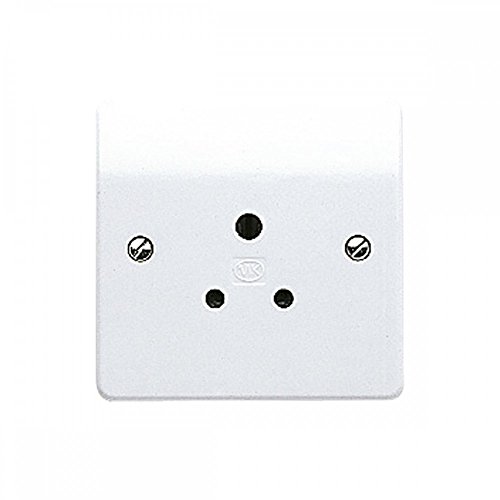
MK K771WHI 5 amp 1-Gang Round-Pin Socket, K771 WHI
- Current Rating: 5A round pin socket
- Application: Suitable for lighting circuits
- Special Feature: Inherent antimicrobial properties
As an affiliate, we earn on qualifying purchases.
As an affiliate, we earn on qualifying purchases.
Design Innovation with Microbial Ecosystems
Teresa van Dongen has been experimenting with bio-design for several years, exploring how microbial life can power electrical systems and influence material properties. Her recent exhibition builds on previous projects that integrate living systems into furniture and environmental controls.
This approach aligns with growing interests in biofabrication and sustainable materials, driven by concerns over climate change and resource depletion. Her work is part of a larger movement toward living technology in design, though practical, widespread applications are still under development.
“Van Dongen’s experiments demonstrate the potential for microbes to serve as active agents in sustainable design, opening new pathways for eco-friendly innovations.”
— an anonymous researcher
As an affiliate, we earn on qualifying purchases.
Uncertainties in Practical Application and Scalability
It remains unclear how quickly microbial-based technologies can be scaled for commercial use or integrated into mainstream architecture and product design. Ongoing research is required to address technical challenges related to control, stability, and safety of living systems in built environments.
Further testing is needed to determine long-term viability and how these ecosystems can be maintained sustainably outside laboratory conditions.

LuckyRunes Premium Terrarium Kit with Live Moss, 24-Piece Glass Set
- Complete Terrarium Kit: Includes glass container, moss, soil, and tools
- Real Live Moss: Adds natural texture and vibrant greenery
- Adjustable LED Grow Light: Provides supplemental light for indoor growth
As an affiliate, we earn on qualifying purchases.
As an affiliate, we earn on qualifying purchases.
Future Research and Potential Commercialization
Van Dongen’s team plans to continue experiments, focusing on refining microbial power sources and environmental responsiveness. Upcoming projects may include pilot installations in architectural settings or consumer products, pending further validation.
Industry stakeholders and researchers are watching these developments closely, as successful integration could lead to new standards in sustainable, living design systems.

Silver (Ag) Certified Food Grade PETG Anti-Bacterial 3D Printer Filament – CARBON by Comfy Materials – Lab Tested Anti-Microbial Composite, 1.75mm, 1kg, Accuracy: +/- 0.02 (Natural PETG)
- Ownership and Operations: US owned with domestic management
- Material Composition: Silver (Ag) antimicrobial PETG
- Food Safety Certification: Food grade tested by TÜV SÜD and SGS
As an affiliate, we earn on qualifying purchases.
As an affiliate, we earn on qualifying purchases.
Key Questions
What is designing with living systems?
It involves incorporating living organisms, like microbes, into design processes to create responsive, eco-friendly materials and devices.
Why is this approach significant?
It offers potential for more sustainable, adaptive environments by harnessing biological processes that can regenerate, respond to changes, and reduce environmental impact.
Are microbial systems ready for commercial use?
Not yet. While promising, these systems are still in experimental stages, and scaling for widespread application remains a challenge.
What are the main challenges facing this technology?
Controlling microbial behavior, ensuring stability over time, and integrating living systems safely into built environments are ongoing technical hurdles.
How might this influence future design practices?
If successfully developed, it could lead to a new paradigm where living organisms are standard components in sustainable architecture and product design.
Source: designboom