📊 Full opportunity report: Toyota, Nissan, And Honda Plan To Streamline Parts And Reduce Costs on IdeaNavigator AI — validation score, market gap, and execution plan.

Prime made for students and young adults
- Fast, free delivery for dorm and study essentials
- Prime Video and Amazon Music included
- Member-only deals
TL;DR
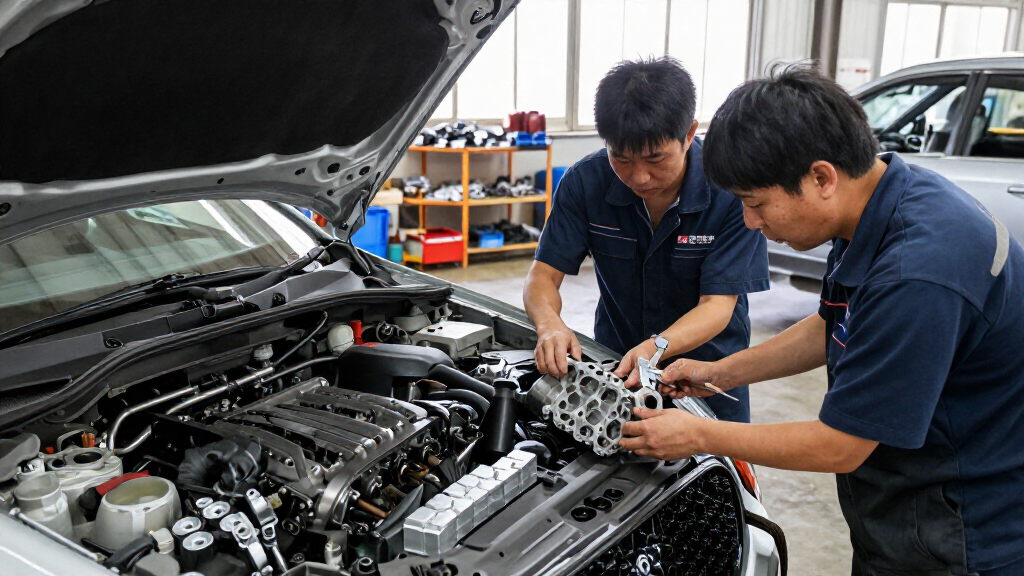
An IdeaNavigator AI brief identifies a possible Toyota, Nissan and Honda effort to standardize parts and reduce costs. The brief does not cite company statements or provide details such as which parts, timing or expected savings, so the development is not independently established by the information available here.
Toyota, Nissan and Honda are described as planning to standardize parts in an automotive-retail signal brief published by IdeaNavigator AI, which says the effort would reduce costs. The brief provides no company statements, named parts, timetable or cost estimates. That leaves the proposed development unconfirmed in the information available here, even as it raises a practical question for dealerships and repair shops: whether shared or standardized components could affect sourcing, inventory or service work.
According to the IdeaNavigator AI brief, the development is a potential cost-reduction effort involving three major Japanese automakers. The brief does not explain whether the companies would adopt common specifications, share particular components, coordinate purchasing or pursue another form of standardization. It also does not identify a formal agreement, participating suppliers, affected vehicle models or markets.
No expected savings are quantified, and the brief supplies no start date or rollout phases. It includes no comments from Toyota, Nissan or Honda and cites no filing or announcement by any of the companies. Readers should therefore treat the plan as a reported possibility, not a confirmed program or a change already affecting parts availability.
IdeaNavigator AI presents the item as an example of automotive news that could matter to an independent dealership or auto shop. Its proposed service would monitor feeds for vehicle launches, recalls and regulation, then prepare short, role-specific summaries. The brief says the signal appeared on Hacker News with a score of 88 out of 100, but gives no scoring method, comparison window or baseline; that figure is a raw signal score, not evidence of the automakers’ plan.
Parts standardization?What shops need to know
An IdeaNavigator AI brief describes a possible Toyota, Nissan and Honda effort to standardize parts and reduce costs. The information provided does not confirm a company agreement or explain its scope.
What the brief reports
It frames the effort as a potential cost reduction, without details on how standardization would work.
Three automakers named
Toyota, Nissan and Honda are described as planning to standardize parts.
No company evidence
The brief cites no company statements or documents confirming an agreement.
Parts and timing unknown
No components, vehicle models, markets, timetable or savings estimates are provided.
Possible effects for shops
Any operational impact would depend on what is standardized and how suppliers participate.
- Shared specifications could affect sourcing options.
- Inventory needs might change for some components.
- Effects on prices and service work remain unknown.
- No change to parts availability is established.
- Compatibility and interchangeability are not confirmed.
- No order or service change is identified as necessary.
What would verify the report
Look for details that establish both the initiative and its practical reach.
Check for statements or documents from Toyota, Nissan or Honda.
Look for affected parts, models, markets, suppliers and timing.
Then determine whether confirmed changes apply to vehicles your business sells or services.
How to read the signal
The brief also reports a Hacker News score, but does not explain its method or provide a benchmark.
Potential Effects on Parts Buyers
If the automakers do pursue shared standards for selected parts, the practical effects would depend on what is standardized and how suppliers participate. Common specifications could, in principle, change purchasing options or the range of components a shop needs to stock. But the IdeaNavigator AI brief does not establish that any such effects will occur, or that savings would reach dealers, repair businesses or vehicle owners.
For independent businesses, the immediate relevance is less a confirmed operational change than the need to verify what is being reported before changing orders or advising customers. A genuine agreement could matter to sourcing and service planning; without details, shops cannot tell which models or components might be involved. The distinction matters because a broad headline about standardization does not by itself establish interchangeability, compatibility or lower prices.
The item also illustrates a wider information challenge for small automotive businesses: relevant announcements, recalls and regulatory changes may appear across different channels. A filtered briefing could help identify developments quickly, but its value depends on reliable sourcing and clear separation between confirmed announcements and early signals.
Popular right now

Vitamix 5-Speed Immersion Blender, 625-Watt, Stainless Steel/Black

Dyson V9 Motorbar Cordless Vacuum

Ninja Foodi 10-Quart DualZone 6-in-1 Air Fryer, Black, DZ302
As an affiliate, we earn on qualifying purchases.
How the Retail Brief Frames It
IdeaNavigator AI’s brief is primarily a product opportunity proposal, not a report documenting negotiations between automakers. It identifies an independent dealership owner or sales lead as the intended reader and suggests a monitoring service that would turn industry signals into a concise account of what changed, why it matters and what action may be appropriate.
The proposed monitor would track Hacker News and similar feeds for vehicle launches, recalls and regulation, then filter items for automotive retailers. The brief recommends testing the idea by delivering this item and two other automotive developments to five people who match its target audience, then checking whether anyone changes a decision or shares a report with a colleague. That is a proposed validation exercise, not evidence that the service has been built or that businesses have adopted it.
The stated Hacker News score of 88/100 is reported by IdeaNavigator AI as a signal of interest. Since the brief supplies no scoring definition or benchmark, the score cannot show how widely the underlying report was read or how important the development is to the industry. It also does not link the score to any announcement by the three manufacturers.
Confirmation and Scope Still Missing
The central uncertainty is whether Toyota, Nissan and Honda have formally agreed to standardize parts at all. The IdeaNavigator AI brief includes no direct confirmation from the companies and cites no document establishing the plan. It is also unclear whether the description refers to an active discussion, a proposal, an existing industry practice or a future initiative.
Other unanswered questions include which components might be covered, whether the effort would apply across brands or only to specific models, and whether suppliers would be required or invited to participate. The brief gives no information about geographic reach, technical standards, regulatory considerations, launch timing or projected savings. It also does not say whether standardization would affect replacement parts, factory production components or both.
Until those details are confirmed through company statements or other reliable documentation, claims about lower repair costs, easier parts sourcing or changes to inventory would be speculative. No action for dealers or repair shops is identified as necessary now.
Watch for Company and Supplier Details
The next meaningful development would be a statement or document from Toyota, Nissan or Honda that confirms the initiative and defines its scope. Information from participating suppliers could also clarify which components, models and markets might be affected. The IdeaNavigator AI brief provides none of those details, so the reported plan remains an unverified signal rather than a basis for operational changes.
For independent shops and dealerships, a prudent next step is to monitor verified manufacturer and supplier communications, then check whether any confirmed change applies to the vehicles they service or sell. The IdeaNavigator AI brief proposes testing its monitoring concept with five target users and measuring whether the summaries influence decisions or are forwarded to colleagues. That test may assess demand for the service; it would not, on its own, verify the automakers’ reported plan.
Source: IdeaNavigator AI
Key Questions
Have Toyota, Nissan and Honda confirmed a parts-standardization plan?
Not in the information available here. The IdeaNavigator AI brief describes the companies as planning to standardize parts but includes no direct statements or documents from them.
What parts would be standardized?
The brief does not identify any components, vehicle models or technical standards. The scope remains unknown.
How much money could the plan save?
No savings estimate is provided. The stated aim is to reduce costs, but the brief does not say how large any reduction might be or who would receive the benefit.
Should dealerships or repair shops change their orders now?
No operational change is established by the brief. Shops would need confirmed details about affected parts, models and timing before adjusting inventory or service plans.
What is the 88/100 score cited in the brief?
IdeaNavigator AI says the item surfaced on Hacker News with a score of 88 out of 100. It does not explain the scoring method or provide a comparison baseline, so the number should be treated only as a reported signal score.
Source: IdeaNavigator AI