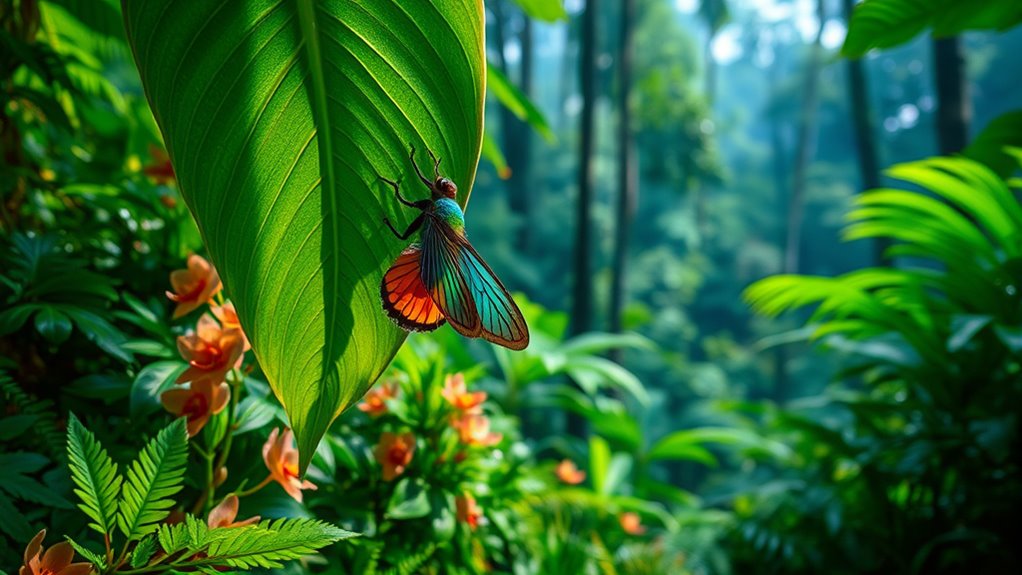

The Amazon Rainforest never ceases to surprise you with its new species discoveries. Each year, scientists find insects, plants, mammals, and amphibians, showcasing the incredible biodiversity that thrives there. These discoveries don’t just highlight the rainforest’s complexity; they also emphasize the urgent need for conservation. Protecting these newly identified species helps maintain the delicate balance of this ecosystem. Want to uncover more about the impact of these discoveries on conservation efforts? Keep exploring!
Key Takeaways
- The Amazon Rainforest is continuously revealing new species, enhancing our understanding of its complex biodiversity and ecological interactions.
- Recent discoveries include unique insects, plants, mammals, and amphibians, showcasing the rainforest’s rich ecological tapestry.
- Each newly identified species plays a crucial role in maintaining the ecosystem’s health and balance.
- Deforestation threatens these discoveries, highlighting the urgent need for effective conservation strategies and habitat preservation.
- Supporting sustainable practices and raising awareness can help protect the Amazon and its newly discovered species.
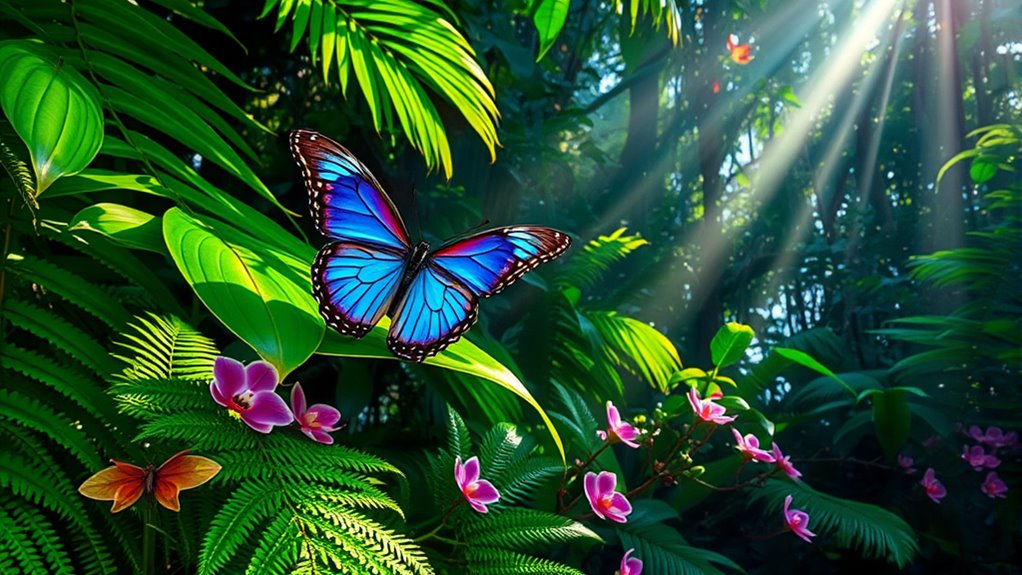
Have you ever wondered what secrets lie hidden in the dense foliage of the Amazon Rainforest? This breathtaking ecosystem, often referred to as the “lungs of the Earth,” is a treasure trove of biodiversity. Scientists continue to discover new species, revealing the astonishing complexity of life that thrives within its bounds. Each new find not only enhances our understanding of this essential ecosystem but also highlights the urgent need for effective conservation strategies to protect it.
The Amazon Rainforest, a biodiversity treasure, reveals new species that underscore the urgent need for conservation.
When you think about the ecological impact of the Amazon Rainforest, it’s hard to ignore its role in regulating the global climate. The trees absorb vast amounts of carbon dioxide, helping to mitigate climate change. However, deforestation and habitat loss threaten this delicate balance. As new species are discovered, researchers often realize how interconnected these organisms are with their surroundings. For instance, a newly identified amphibian might rely on a specific plant for food, which in turn depends on certain insects for pollination. Losing any link in this chain can have cascading effects on the entire ecosystem.
As you explore more deeply into the rainforest’s wonders, you might come across newly found insects, plants, or even mammals that you’d never heard of before. Each discovery adds a layer to our understanding of the Amazon’s biodiversity. However, it’s essential to recognize that these species are not just curiosities; they’re integral to the health of the ecosystem. You’ll find that many conservation strategies focus on preserving habitats to protect these newly identified species. By safeguarding the areas where these organisms thrive, we’re also ensuring the survival of countless others that share their environment. Additionally, music therapy can enhance our emotional connection to nature, inspiring greater advocacy for conservation efforts.
You might wonder how you can help in these conservation efforts. Supporting organizations that promote sustainable practices or that work directly in the Amazon can make a significant difference. By spreading awareness about the importance of the rainforest, you can inspire others to care about its future. Every action, no matter how small, contributes to a broader movement to protect this irreplaceable ecosystem.
Top picks for "specy discover amazon"
Open Amazon search results for this keyword.
As an affiliate, we earn on qualifying purchases.
Frequently Asked Questions
How Do Researchers Identify and Classify New Species?
Researchers identify and classify new species through morphological analysis and genetic sequencing. You’ll first observe physical traits and structures to determine unique characteristics. Then, you’ll collect samples for DNA analysis, comparing genetic sequences with known species. This combination helps you understand evolutionary relationships and confirms whether a species is truly new. By integrating these methods, you guarantee accurate classification and contribute valuable information to the scientific community.
What Conservation Efforts Are in Place for Newly Discovered Species?
Conservation efforts for newly discovered species often involve creating ecological corridors that connect habitats, much like the threads in a tapestry, weaving life together. You’ll see community involvement playing a key role, with locals participating in monitoring and protecting these species. By fostering awareness and encouraging sustainable practices, these initiatives not only safeguard biodiversity but also empower communities to take pride in their natural heritage. Together, you can help preserve these treasures for future generations.
How Can I Support Amazon Rainforest Conservation Efforts?
You can support Amazon rainforest conservation efforts by participating in eco-tourism, which funds local communities and promotes sustainable practices. By choosing eco-friendly tours, you help preserve biodiversity while respecting Indigenous rights. Additionally, consider donating to organizations that advocate for the protection of the rainforest and its inhabitants. Spreading awareness about the importance of conservation can also inspire others to take action. Every small effort contributes to a healthier planet.
What Are the Main Threats to the Amazon Rainforest?
The main threats to the Amazon rainforest include deforestation impact, agriculture expansion, and illegal logging. These activities not only destroy habitats but also disrupt the lives of indigenous communities who rely on the forest for their survival. You can help raise awareness about these issues and support policies that protect both the rainforest and its inhabitants. By advocating for sustainable practices, you contribute to preserving this essential ecosystem for future generations.
How Does Climate Change Affect Biodiversity in the Amazon?
Climate change reduces biodiversity in the Amazon, with studies showing that deforestation impacts can lead to a 40% loss in species over the next few decades. As habitats change, many species struggle to adapt quickly enough. You’ll see shifts in population dynamics, with some species thriving while others face extinction. The delicate balance of this ecosystem is at risk, making it essential for you to support conservation efforts and reduce your carbon footprint.
Conclusion
In the heart of the Amazon, new species emerge like hidden gems waiting to shine. Each discovery is a reminder of nature’s boundless creativity and the importance of safeguarding this vibrant ecosystem. As you marvel at the wonders of the rainforest, remember that every creature plays a role in the delicate web of life. By preserving their home, you help ensure that these incredible discoveries continue to flourish for generations to come.