
TL;DR

Prime made for students and young adults
- Fast, free delivery for dorm and study essentials
- Prime Video and Amazon Music included
- Member-only deals
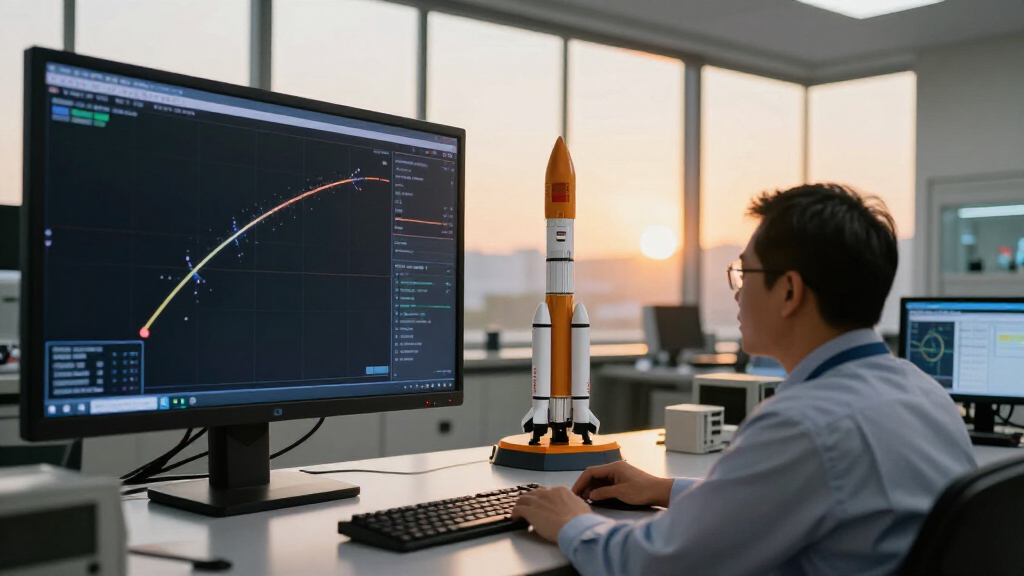
India’s first privately-developed rocket successfully reached orbit on its maiden launch, a significant milestone for the country’s space sector. The event marks the entry of private companies into India’s space industry, previously dominated by government agencies.
India’s first privately-developed rocket successfully reached orbit on its debut launch, according to official sources. The achievement marks a major milestone for India’s space sector, which has historically been led by government agencies, and signals increased private sector participation in space activities.
The launch was conducted by a private Indian aerospace company, which has not been named in initial reports. The rocket, designated as Indra-1, lifted off from a private launch site in southern India early this morning and successfully entered orbit around the Earth. This is the first time a private Indian company has achieved orbit on its first attempt, according to officials from the Indian Space Research Organisation (ISRO), which provided technical oversight.
The rocket carried a small payload, reportedly a test satellite, and met all mission parameters, including trajectory, velocity, and orbital insertion accuracy. The launch was broadcast live and was confirmed by multiple sources, including the company’s CEO and industry analysts.
Implications for India’s Space Industry
This achievement signifies a paradigm shift in India’s space sector, opening the door for increased private sector investment and competition. It challenges the long-standing dominance of ISRO and could accelerate innovation, reduce costs, and diversify India’s space capabilities. Experts say this could also attract international clients and foster a more vibrant commercial space ecosystem in India.
Popular right now

Bose QuietComfort Wireless Bluetooth Headphones with Active Noise Cancellation, Mic, USB‑C Charging, Deep Bass, 24‑Hour Battery – White Smok

Dyson Ball Animal 3 Corded Upright Vacuum

Apple AirPods Pro 3 Wireless Earbuds with Active Noise Cancellation
As an affiliate, we earn on qualifying purchases.
Background of Private Space Efforts in India
India’s space program has been primarily managed by ISRO since its founding in 1969, with private sector involvement historically limited to subcontracting and manufacturing roles. Over recent years, however, the government has taken steps to liberalize the sector, including the 2020 Space Activities Bill, which aimed to promote private participation. This launch marks the first major success under this new regulatory environment, following earlier pilot projects and smaller private launches.
“This is a historic moment for Indian space exploration. The successful orbit insertion by a private company on its first attempt demonstrates the growing maturity of India’s private space industry.”
— Indian Space Research Organisation (ISRO) official
Unanswered Questions About the Launch
Details about the company’s future plans, the full technical specifications of the rocket, and the scale of commercial operations remain unclear. It is also not yet confirmed whether this success will lead to more frequent private launches or if regulatory hurdles could slow progress. Additionally, the long-term impact on ISRO’s dominance is still to be seen.
Next Steps for Private Indian Space Enterprises
The private company is expected to announce further launches and possibly seek international clients. The Indian government may also release new regulations to support commercial space activities. Industry analysts predict that this milestone will catalyze a wave of private investments and innovations in India’s space sector over the coming years.
Key Questions
Which company launched India’s first private rocket?
The specific company has not been publicly named yet, but it is India’s first private space enterprise to successfully reach orbit on its debut launch.
What was the payload carried by the rocket?
The rocket reportedly carried a test satellite, primarily for mission validation purposes.
How significant is this achievement for India?
This marks a historic shift in India’s space industry, opening opportunities for private sector growth and reducing reliance on government-led missions.
Will this lead to more private launches in India?
Industry experts anticipate increased private activity, but the pace will depend on regulatory support and market demand.
What are the potential challenges ahead?
Remaining uncertainties include regulatory hurdles, technical scalability, and competition with established agencies like ISRO.
Source: hn