

Data visualization helps you turn massive, complex data into clear insights by highlighting key patterns and trends through visual techniques. It simplifies overwhelming numbers into understandable formats and enables quick identification of anomalies. Interactive dashboards let you explore data in real time, making analysis more engaging. By replacing spreadsheets with dynamic visuals, you make information more accessible and easier to interpret. Keep exploring to discover more ways visualization enhances your understanding and decision-making.
Key Takeaways
- Data visualization simplifies complex data into clear, visual formats that are easier to interpret quickly.
- Interactive dashboards enable dynamic exploration, revealing insights through filtering and drill-down features.
- Visual techniques highlight key trends, outliers, and patterns, making large datasets more comprehensible.
- Visual representations convert overwhelming numbers into actionable insights, facilitating faster decision-making.
- Effective visualization enhances understanding by emphasizing important information and supporting layered analysis.

Have you ever struggled to make sense of complex data sets? It’s a common challenge, especially when information is vast and layered. That’s where data visualization comes in, transforming overwhelming numbers into clear, actionable insights. When you use tools like interactive dashboards, you’re not just viewing static charts—you’re engaging with your data. These dashboards allow you to filter, drill down, and explore different angles in real-time, making it easier to identify trends and anomalies. Instead of sifting through endless spreadsheets, you get an intuitive interface that brings your data to life. This dynamic interaction helps you understand patterns faster and makes decision-making more efficient. Additionally, employing visualization techniques ensures your data is presented in the most impactful way possible.

Excel BI and Dashboards in 7 Days: Build interactive dashboards for powerful data visualization and insights (English Edition)
As an affiliate, we earn on qualifying purchases.
As an affiliate, we earn on qualifying purchases.
Frequently Asked Questions
How Do I Choose the Best Visualization Type for My Data?
You choose the best visualization type by considering your data’s story and your audience. Use appropriate chart selection—bar charts for comparisons, line graphs for trends, and pie charts for proportions. Pay attention to color schemes to enhance clarity without overwhelming viewers. Keep it simple and focus on highlighting key insights. By matching the visualization type to your data’s nature and purpose, you guarantee your message is clear and impactful.
What Tools Are Most Effective for Creating Data Visualizations?
You should choose tools that offer vibrant color palettes and interactive features, making your data engaging and easier to interpret. While simple charts can be effective, advanced platforms like Tableau, Power BI, and D3.js allow you to customize visuals with diverse color schemes and interactive elements. These tools help you uncover insights by transforming complex data into compelling stories, turning static images into dynamic experiences that deepen understanding.
How Can I Ensure My Visualizations Are Accessible to All Audiences?
To make your visualizations accessible, focus on color contrast and font readability. Use high contrast colors to guarantee elements stand out for viewers with visual impairments, and choose clear, legible fonts in appropriate sizes. Avoid relying solely on color to convey information—incorporate labels or patterns. Test your visuals with diverse audiences, including those with color blindness, to confirm they’re understandable and inclusive for everyone.
What Common Mistakes Should I Avoid in Data Visualization?
Avoid common mistakes like choosing confusing color schemes or neglecting label clarity. If you use inappropriate colors, your audience might misinterpret data colors or miss important distinctions. Poorly labeled axes or data points leave viewers guessing, reducing understanding. Stay simple and intentional—use accessible color schemes and clear labels—so your visualization communicates effectively. Don’t underestimate the power of clarity; it’s the key to transforming data into insight.
How Does Data Visualization Influence Decision-Making Processes?
Data visualization influences your decision-making by enhancing data clarity, making complex information easier to interpret quickly. It transforms raw data into visual formats that highlight key trends and patterns. Through insight storytelling, you can communicate findings compellingly, guiding your choices more confidently. Clear visuals help you identify opportunities and risks faster, ensuring decisions are based on an all-encompassing understanding rather than guesswork. This ultimately leads to more informed, effective actions.
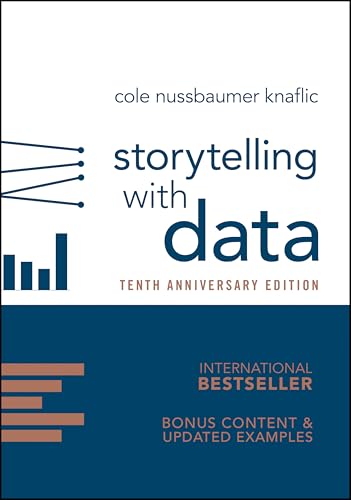
Storytelling with Data: A Data Visualization Guide for Business Professionals, 10th Anniversary Edition
As an affiliate, we earn on qualifying purchases.
As an affiliate, we earn on qualifying purchases.
Conclusion
So, next time you’re drowning in a sea of numbers, remember: data visualization is your lifeboat—saving you from the abyss of confusion. Why wrestle with endless spreadsheets when a colorful chart can turn chaos into clarity? Embrace the art of visual storytelling, and you’ll impress your boss, confound your rivals, and finally understand what those confusing data points actually mean. Who knew that a simple graph could be your secret weapon?

Professional Integrating-Averaging Class 2 Sound Level Meter with Data Logger and Noise Analysis Software
- Measurement Standard: IEC 61672/ANSI S1.4 Class 2
- Dynamic Range: 30 dBA to 130 dBZpk
- Frequency Range: 20Hz to 16kHz
As an affiliate, we earn on qualifying purchases.
As an affiliate, we earn on qualifying purchases.

Big Data Analytics with Python: Process Visualize and Analyze Massive Datasets Efficiently
As an affiliate, we earn on qualifying purchases.
As an affiliate, we earn on qualifying purchases.