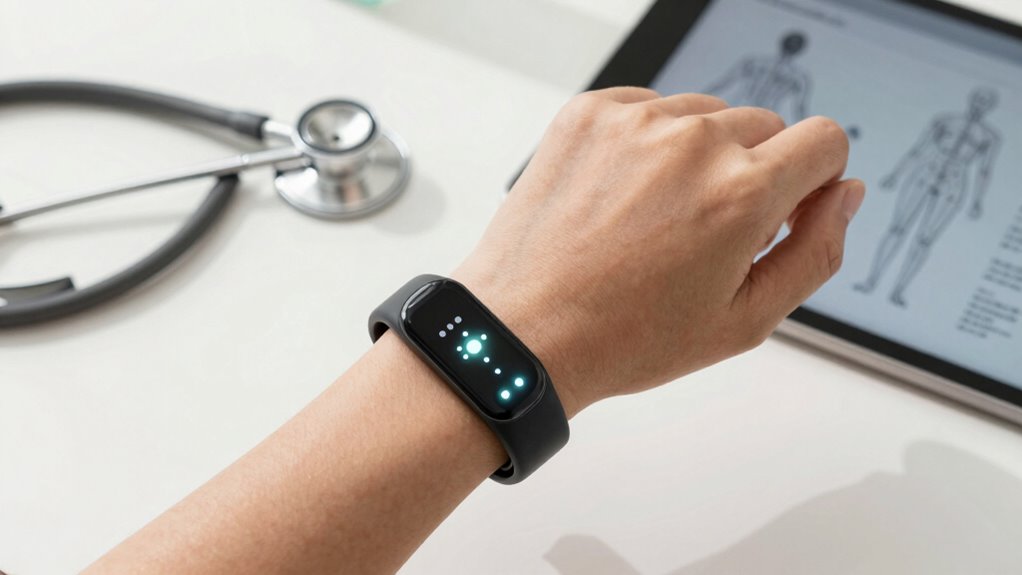

Wearable health tech is moving beyond fitness because it now integrates into healthcare settings for continuous monitoring of essential signs like heart rate, blood pressure, and blood glucose. This shift helps you catch health issues early, supports personalized treatments, and reduces hospital visits. Advanced security measures guarantee your data stays private, while interoperability upgrades improve device compatibility. If you keep exploring, you’ll discover how these innovations are transforming your health management and clinical decision-making.
Key Takeaways
- Wearables now provide continuous health monitoring for clinical use, enabling early detection and personalized treatment beyond fitness tracking.
- Integration into healthcare settings improves decision-making, diagnostics, and remote patient management, extending their role in health care.
- Enhanced data privacy and security measures build trust, making wearables suitable for sensitive medical information.
- Interoperability and standardization ensure seamless data exchange across devices and platforms, supporting advanced clinical applications.
- The shift from fitness to health care expands wearables’ capabilities to prevent, monitor, and manage chronic conditions proactively.

While many people associate wearable health technology primarily with fitness tracking, its capabilities extend far beyond that. Today, these devices are increasingly integrated into clinical settings, transforming how healthcare providers monitor and manage patient health. Instead of relying solely on periodic checkups or invasive procedures, clinicians can now access real-time data directly from wearables, providing a more thorough view of a patient’s health status. This clinical integration allows for early detection of potential issues, timely interventions, and personalized treatment plans. For example, wearables that track heart rate, blood pressure, or blood glucose levels can alert both patients and doctors to abnormalities before they escalate into emergencies. This shift promotes proactive healthcare, reducing hospital visits and improving long-term outcomes. Additionally, wellness technology at home is evolving to support ongoing health management outside clinical environments, making continuous monitoring more accessible. As these devices become crucial tools in clinical environments, data privacy takes center stage, emphasizing the importance of secure data transmission. You need to be aware that sensitive health information transmitted from wearables must be protected against breaches and unauthorized access. Manufacturers and healthcare providers are working to implement robust security measures, such as encryption and secure data storage, to ensure your personal health data remains confidential. Trust in data privacy isn’t just about compliance; it’s about safeguarding your rights and maintaining confidence in the technology. When you use wearable health devices, you should have clear information about who can access your data, how it’s used, and what protections are in place. With growing integration into clinical workflows, ensuring data privacy becomes even more critical, fostering a safe environment for health innovation. Furthermore, the seamless exchange of data between wearables and healthcare systems enhances clinical decision-making. You benefit from more accurate and up-to-date information, which can inform diagnoses, medication adjustments, and lifestyle recommendations. This integration also facilitates remote patient monitoring, allowing your healthcare team to keep tabs on your health from afar, reducing unnecessary office visits. As wearables become more sophisticated, their ability to contribute to clinical care will only grow, bridging the gap between daily health management and professional medical oversight. Additionally, data interoperability ensures that different devices and healthcare platforms can communicate effectively, further enhancing the quality of care. Moreover, standardized data formats are essential to achieving seamless integration and reliable communication across diverse systems and devices. As the technology advances, ongoing efforts to improve interoperability standards will be key to maximizing the benefits of wearable health tech.
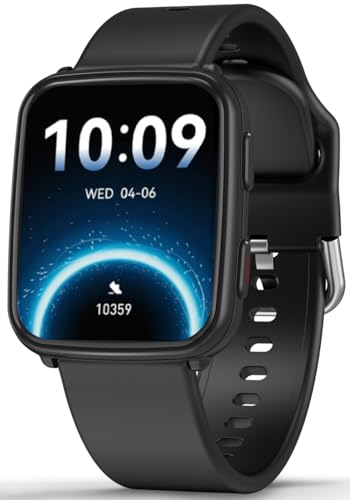
MorePro Fitness Tracker with 24/7 Heart Rate & Blood Pressure Monitor, Blood Oxygen & Sleep Tracker, Smart Watch with Step Calorie Counter, IP68 Waterproof Activity Tracker for Women Men Android iOS
- 24/7 Heart Rate & Blood Pressure Monitoring: Continuous health tracking for proactive wellness
- On-Demand Blood Oxygen Checks: Quickly measure blood oxygen levels anytime
- Sleep Tracking with Deep & Light Sleep: Monitor sleep stages and wake-ups
As an affiliate, we earn on qualifying purchases.
As an affiliate, we earn on qualifying purchases.
Frequently Asked Questions
How Secure Is My Health Data With Wearable Devices?
Your health data’s security with wearable devices depends on the company’s data encryption practices and privacy policies. Reputable brands use strong encryption to protect your information from unauthorized access. However, it’s crucial to review their privacy policies to understand how your data is stored and shared. By choosing trusted devices and staying informed about their security measures, you can better safeguard your sensitive health information.
Can Wearable Tech Detect Early Signs of Chronic Diseases?
Yes, wearable tech can detect early signs of chronic diseases through remote patient monitoring and AI-driven diagnostics. You benefit from continuous data collection that highlights subtle health changes, enabling your healthcare providers to identify issues before symptoms appear. This proactive approach helps in managing conditions more effectively, reducing complications, and improving overall outcomes. Wearables are transforming health management by offering real-time insights and early detection capabilities.
Are There Wearable Options for Mental Health Monitoring?
Yes, you can find wearable options for mental health monitoring. Picture a sleek device gently tracking your sleep patterns and mood assessments, providing real-time insights. These wearables analyze your heart rate variability, sleep quality, and emotional trends, helping you recognize stress or anxiety early. By offering personalized feedback, they empower you to manage your mental well-being proactively, making mental health care more accessible and integrated into your daily routine.
How Reliable Are Wearable Health Devices for Medical Diagnostics?
Wearable health devices can be fairly reliable for medical diagnostics, but their data accuracy depends on proper device calibration and consistent usage. While they provide valuable real-time insights, they shouldn’t replace professional medical advice. Always verify the device’s calibration and understand its limitations. For critical health decisions, consult healthcare professionals, as wearables are best used as supplementary tools rather than definitive diagnostic instruments.
What Medical Conditions Can Wearable Health Tech Currently Monitor?
You can currently monitor conditions like heart rate, blood oxygen levels, and sleep patterns with wearable health tech. These devices offer valuable insights, but you should be aware of data privacy concerns and device accuracy. While they provide helpful trend data, they might not replace professional medical diagnostics. Always consult healthcare professionals for serious conditions, and make sure your device’s data privacy settings are secure to protect your personal health information.
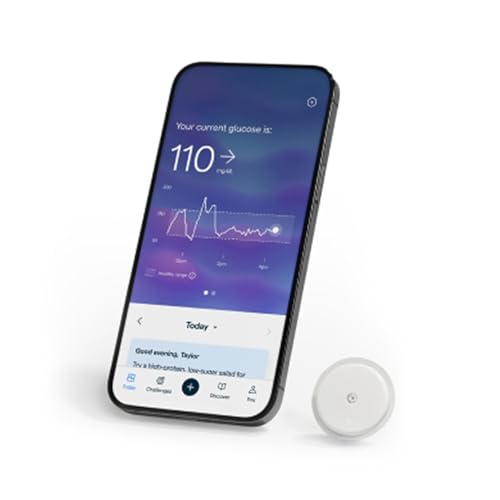
Lingo Continuous Glucose Monitor (CGM). Made by Abbott. Optimize Your Nutrition with Real-time Glucose Data & Insights. 1 Lingo biosensor lasts up to 14 Days*. Works with iOS and Android. US Only.
- HSA/FSA Eligible: No prescription needed
- Continuous Glucose Monitoring: 24/7 glucose tracking via app
- Nutrition Optimization: Identify foods that impact glucose
As an affiliate, we earn on qualifying purchases.
As an affiliate, we earn on qualifying purchases.
Conclusion
So, here you are, thinking wearable tech is just about counting steps and calories. Turns out, it’s also catching health issues before they become emergencies — kind of like having a doctor in your pocket. Who would’ve guessed that your wristwatch could save your life? Irony’s sweet, isn’t it? As these gadgets evolve, maybe the only thing you’ll need to worry about is how many more ways they can keep you healthy and, surprisingly, alive.

COROS Heart Rate Monitor, Comfort, Easy to wear, Auto-wear Detection, Advanced Sensor, Precise Data, Bluetooth, 38 Hours Battery Life, Connects up to 3 Devices at Once, for Run and Bike-Grey
- Purpose: Measures heart rate during sports activities
- Device Compatibility: Pairs with up to 3 devices via Bluetooth
- Connection Type: Bluetooth only, not ANT+
As an affiliate, we earn on qualifying purchases.
As an affiliate, we earn on qualifying purchases.

FITVII Screenless Fitness Tracker for Women Men, Health and Fitness Wearable with 24/7 Heart Rate, Blood Pressure and HRV Sleep Monitor, Subscription Free Activity Tracker for Android & iPhone
- Ultra-Slim and Comfortable: Lightweight, screenless design for all-day wear
- Comprehensive Wellness Tracking: Monitors heart rate, blood pressure, HRV, sleep, steps, calories, and distance
- Discreet, Screenless Design: Provides continuous insights without distraction or glare
As an affiliate, we earn on qualifying purchases.
As an affiliate, we earn on qualifying purchases.