
TL;DR

Prime made for students and young adults
- Fast, free delivery for dorm and study essentials
- Prime Video and Amazon Music included
- Member-only deals
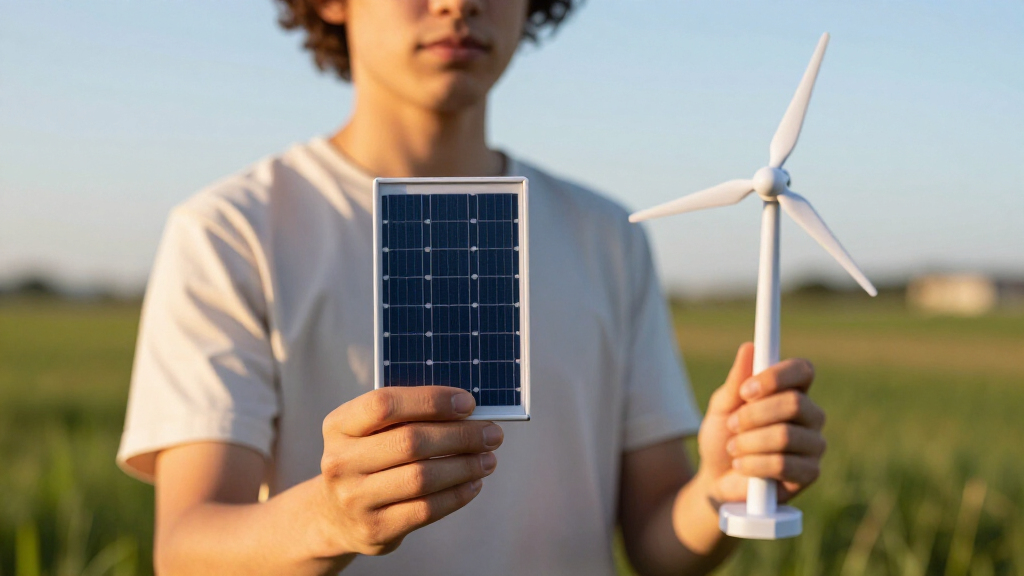
Germany has for the first time generated more electricity from wind and solar than from fossil fuels. This milestone reflects ongoing energy transition efforts and impacts future energy policy.
Germany’s renewable energy generation from wind and solar exceeded that from fossil fuels for the first time, according to official data released today. This development underscores a significant milestone in the country’s efforts to transition to cleaner energy sources and reduce reliance on coal, oil, and natural gas. The shift is driven by increased deployment of renewable infrastructure and policy support, and it signals a potential turning point in Germany’s energy landscape.
Data from the German Association of Energy and Water Industries (BDEW) show that in the first quarter of 2024, wind and solar power accounted for approximately 48% of the country’s electricity production, surpassing fossil fuels, which contributed about 45%. This marks the first time renewables have outpaced fossil fuels in Germany’s power generation, a notable achievement in the context of ongoing energy reforms.
Germany’s total electricity production in this period was approximately 150 terawatt-hours (TWh), with wind contributing around 60 TWh and solar about 20 TWh. Fossil fuel sources, primarily coal and natural gas, supplied roughly 67.5 TWh. The increase in renewable output is attributed to new wind farms coming online and expanded solar capacity, supported by government incentives and investment.
Federal Energy Minister Klaus Müller commented that this milestone demonstrates the effectiveness of Germany’s energy transition policies and the country’s commitment to achieving climate targets. Industry experts note that this shift could accelerate the country’s move away from coal and gas, aligning with its climate neutrality goals by 2045.
Implications of Renewable Energy Surpassing Fossil Fuels in Germany
This milestone signals a turning point in Germany’s energy transition, highlighting the increasing viability of renewables as the primary energy source. It may influence future policy decisions, investment in renewable infrastructure, and Germany’s commitments under the European Green Deal. The shift also raises questions about the future role of fossil fuels in Germany’s energy mix and the potential for other countries to follow suit.
Economically, the move could impact fossil fuel industries and workers, while boosting renewable energy sectors. Environmentally, it aligns with Germany’s climate goals by reducing greenhouse gas emissions and dependence on imported fossil fuels. However, experts caution that challenges remain, including grid stability, storage, and balancing intermittent renewable sources.
As an affiliate, we earn on qualifying purchases.
Background on Germany’s Energy Transition Progress
Germany has long aimed to phase out nuclear and fossil fuel energy, emphasizing renewable sources through policies like the Energiewende. Over the past decade, wind and solar capacity have steadily increased, supported by subsidies, regulatory reforms, and technological advancements. Despite setbacks such as grid congestion and high costs, renewables have become a significant part of Germany’s energy mix.
Prior to this milestone, fossil fuels, especially coal, still supplied a substantial portion of electricity, although their share has been declining steadily. The country’s climate targets include reducing greenhouse gas emissions by 65% by 2030 compared to 1990 levels, with a long-term goal of climate neutrality by 2045. The recent data indicates progress toward these goals, with renewables gaining ground.
“This milestone demonstrates that Germany is making tangible progress in its energy transition and moving towards a sustainable, low-carbon future.”
— Klaus Müller, Federal Energy Minister
As an affiliate, we earn on qualifying purchases.
Uncertainties About Long-Term Energy Stability
While the data confirms that wind and solar have temporarily surpassed fossil fuels in electricity generation, it remains unclear whether this trend will be sustained in the long term. Challenges such as grid integration, energy storage, and seasonal variability could influence future renewable output and the overall stability of Germany’s energy system. Additionally, the impact of geopolitical factors on energy imports and prices is still evolving.
As an affiliate, we earn on qualifying purchases.
Next Steps for Germany’s Renewable Energy Goals
Germany plans to continue expanding renewable capacity, with targets to double wind and solar installations by 2030. Policymakers are also focusing on improving grid infrastructure, energy storage, and market reforms to support higher renewable penetration. Monitoring upcoming quarterly data will be essential to assess whether the trend of renewables overtaking fossil fuels persists and how it influences Germany’s climate commitments.
As an affiliate, we earn on qualifying purchases.
Key Questions
Does this mean Germany has completely phased out fossil fuels?
No, fossil fuels still contributed about 45% of electricity in the first quarter of 2024. The milestone indicates a shift in the energy mix but not an immediate complete phase-out.
Will renewable energy continue to grow at this pace?
Germany aims to expand renewable capacity further, but growth rates depend on policy support, technological advancements, and grid infrastructure improvements. The upcoming years will clarify if the current trend continues.
What challenges does Germany face in maintaining this trend?
Challenges include grid stability, energy storage, intermittency of renewables, and geopolitical influences on energy supply and prices. Addressing these will be critical for sustained progress.
How does this milestone compare to other European countries?
While some countries like Denmark and Spain have high renewable shares, Germany’s achievement is notable given its size and historical reliance on coal and gas. It may serve as a model for regional energy transition efforts.
Source: hn
Fall Picks
fall essentials
As an affiliate, we earn on qualifying purchases.