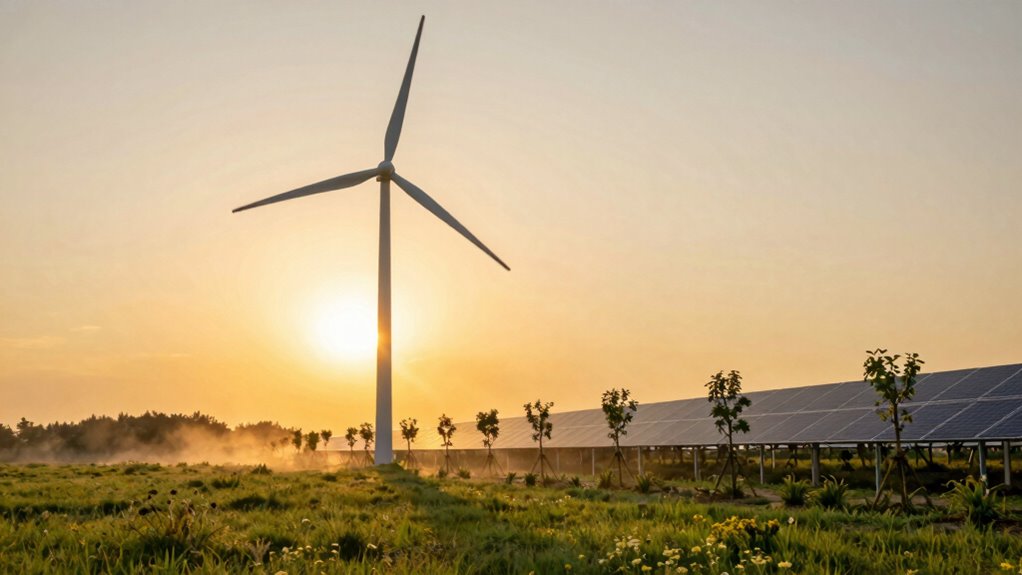

Over the next decade, you’ll see quiet shifts in renewable energy technologies, like more efficient solar panels and wind turbines, making sustainable power accessible and affordable. Waste management innovations, such as AI sorting and circular economy practices, will reduce landfill waste and emissions. These advancements support a cleaner environment and economic growth. If you keep exploring, you’ll discover how these innovations are set to transform how we live, work, and protect the planet—sustainably and effectively.

Prime made for students and young adults
- Fast, free delivery for dorm and study essentials
- Prime Video and Amazon Music included
- Member-only deals
Key Takeaways
- Advancements in renewable energy technologies enable more efficient, affordable, and accessible clean power for various sectors.
- Innovations in waste management, such as AI-driven sorting and circular economy models, reduce landfill waste and emissions.
- Widespread adoption of sustainable practices supports economic growth while decreasing environmental impact.
- Transitioning to cleaner energy sources and waste practices significantly mitigates climate change and improves air quality.
- Emerging technologies will foster quieter, more sustainable living and working environments over the next decade.
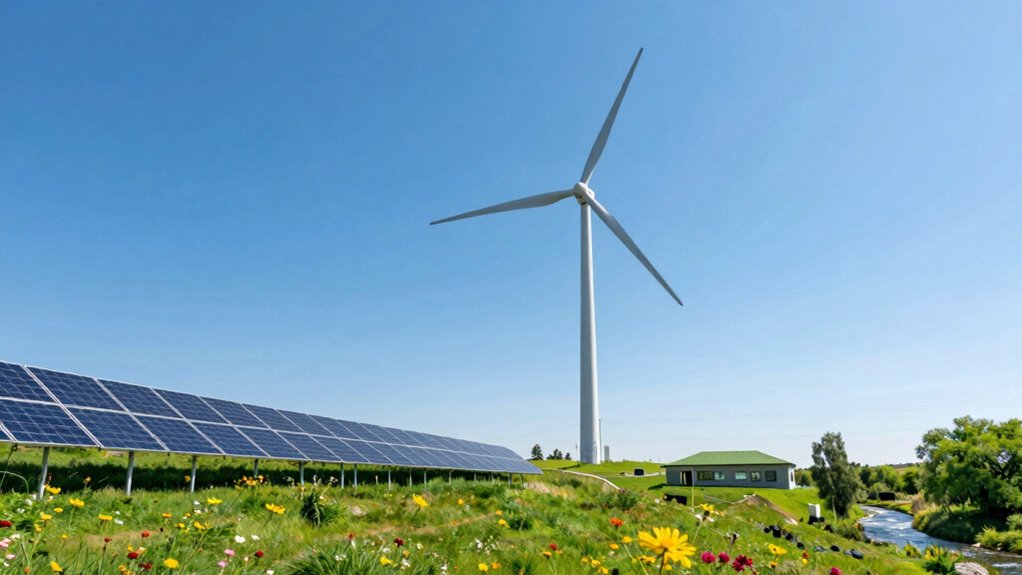
As the world grapples with climate change and environmental challenges, groundbreaking innovations are emerging that could transform how we protect our planet in the next decade. You might not notice it immediately, but advancements in renewable energy and waste management are quietly setting the stage for a more sustainable future. These innovations are not only about creating cleaner energy sources but also about rethinking how we handle waste, reducing pollution, and conserving resources.
Renewable energy technology is evolving rapidly, offering more efficient and affordable options for powering our homes, cities, and industries. Solar panels are becoming more advanced, with higher energy conversion rates and the ability to generate power even in less sunny conditions. Wind turbines are growing larger and more efficient, capturing more energy from the breeze while taking up less space. You could see communities harnessing these technologies to become energy independent, reducing reliance on fossil fuels and cutting greenhouse gas emissions. These renewable energy solutions are crucial because they provide a sustainable and predictable source of power, helping to slow climate change and improve air quality.
Advances in solar and wind tech boost efficiency, helping communities reduce fossil fuel dependence and combat climate change.
At the same time, waste management is undergoing a transformation driven by innovative approaches that aim to minimize waste production and maximize recycling. New sorting technologies use AI and robotics to efficiently separate recyclable materials from trash, significantly reducing landfill waste. You might encounter cities adopting smart waste collection systems that optimize routes, cutting down on fuel use and emissions. Some companies are exploring circular economy models, where waste is repurposed into new products, closing the loop on resource use. Composting and biogas technologies are also advancing, turning organic waste into renewable energy and natural fertilizers. These innovations not only decrease the volume of waste sent to landfills but also lessen leachate and methane emissions, which are major contributors to environmental degradation. Additionally, the importance of high-quality projectors in home theaters highlights the need for precise calibration and advanced display technologies to create immersive environments with minimal environmental impact.
Together, these innovations in renewable energy and waste management are shaping a future where environmental impact diminishes without sacrificing economic growth. You’re likely to see more sustainable practices becoming mainstream, with communities and industries embracing cleaner energy options and smarter waste strategies. While these changes might happen gradually, their combined effect could be profound, quietly transforming the way we live, work, and interact with the planet. The next decade holds the promise of a cleaner, greener world—if these innovations continue to develop and gain momentum.
As an affiliate, we earn on qualifying purchases.
Frequently Asked Questions
How Will These Innovations Affect Global Economies Long-Term?
You’ll see these innovations drive market adaptation, creating new opportunities and shifting industries. As economies adjust, you’ll need to rethink investment strategies, focusing on sustainable technologies and green infrastructure. Long-term, these changes can boost economic resilience, reduce costs, and open markets for eco-friendly products. By embracing innovation early, you position yourself advantageously, helping economies grow sustainably while minimizing environmental impact over the coming decades.
What Are the Potential Risks of Widespread Adoption?
You might worry that widespread adoption risks conflicts with environmental ethics, like sacrificing biodiversity for technology. While innovations seem technically feasible, rushing them could lead to unforeseen ecological impacts or social inequalities. It’s essential to carefully evaluate these risks, ensuring that technology aligns with sustainable principles. By scrutinizing both environmental ethics and technological feasibility, you can help prevent potential harm while embracing progress that benefits both nature and society.
How Accessible Are These Innovations for Developing Countries?
You might find that technological accessibility varies greatly for developing countries. Many innovations face financial barriers, making it tough for these nations to adopt new solutions quickly. While some innovations are designed to be affordable and scalable, infrastructure limitations can hinder implementation. To bridge this gap, international support and investments are essential, helping developing countries access and benefit from these environmental advances without being held back by costs or technology gaps.
What Regulatory Changes Might Be Necessary for Implementation?
Think of implementing these innovations like planting a garden; you need the right policy incentives and clear regulatory frameworks to nurture growth. You’ll want policies that encourage investment and streamline approval processes, while regulations set the boundaries for safe, effective use. Adjusting existing policies and creating new frameworks will be essential, ensuring innovations flourish without unintended harm, and that they’re accessible and beneficial for all communities, including developing regions.
How Quickly Can These Innovations Be Scaled Globally?
You can expect these innovations to scale globally within a few years if you tackle adoption barriers and support a technological leap. Rapid progress depends on government policies, funding, and industry willingness to embrace change. While some regions might advance faster, widespread adoption will require coordinated efforts, infrastructure improvements, and education. If these factors align, you’ll see meaningful environmental impacts and innovations spreading more quickly than you might think.
As an affiliate, we earn on qualifying purchases.
Conclusion
As you explore these innovative solutions, remember that change often happens quietly but can have a ripple effect far beyond what you see. Embracing and supporting these advancements might just be the key to steering us toward a more sustainable future. Keep in mind, the early bird catches the worm—your actions today could shape the environment for generations to come. Stay informed, stay involved, and be part of the wave that transforms tomorrow.
circular economy recycling products
As an affiliate, we earn on qualifying purchases.
As an affiliate, we earn on qualifying purchases.
As an affiliate, we earn on qualifying purchases.
Fall Picks
fall essentials
As an affiliate, we earn on qualifying purchases.