
📊 Full opportunity report: Vertigo relief app on IdeaNavigator AI — validation score, market gap, and execution plan.

Prime made for students and young adults
- Fast, free delivery for dorm and study essentials
- Prime Video and Amazon Music included
- Member-only deals
TL;DR
A proposed vertigo relief app targets adults with BPPV, providing guided repositioning maneuvers and symptom logging. It aims to support self-treatment and complement clinical care, with testing underway.
A new vertigo relief app is being developed to assist adults suffering from recurrent benign paroxysmal positional vertigo (BPPV) in performing repositioning maneuvers at home. The app aims to support self-treatment, reduce relapse rates, and complement clinical care, with testing phases expected to start soon. The Question No To-Do App Can Answer
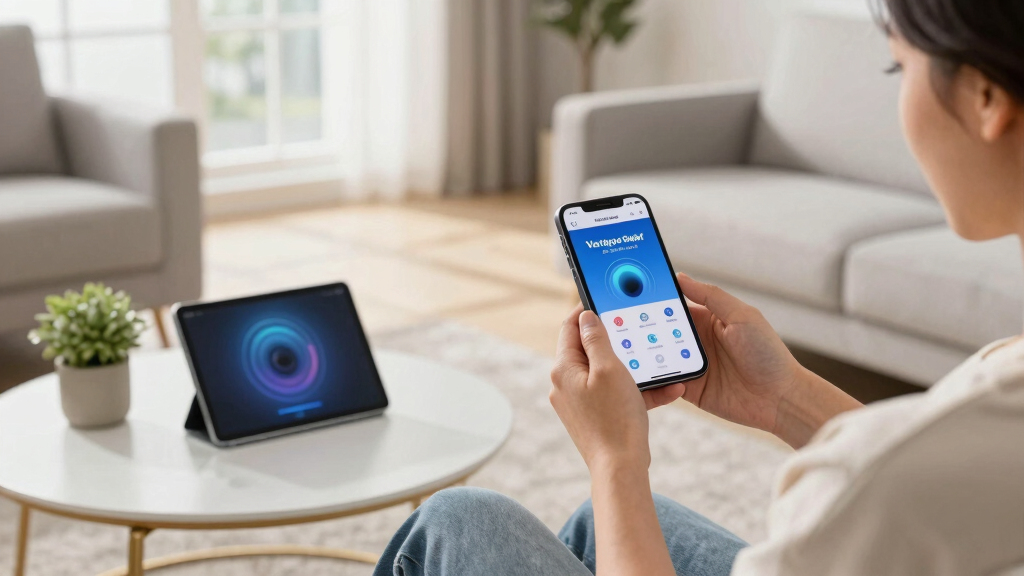
The proposed mobile application will guide users through the Epley and Brandt-Daroff maneuvers using animated instructions, audio cues, and gyroscope-based head-angle feedback to ensure proper execution. It will also include features for symptom logging, episode tracking, and recurrence coaching. The app is designed for both consumer use and integration into ENT clinics, audiology practices, and vestibular physiotherapy programs, which could white-label the platform for patient home care.
According to developers, the app will incorporate a simple screening process to assess BPPV candidacy, including a safety survey and optional motion-sensor self-check. It will emphasize that it is not a substitute for medical advice and will prompt users to consult healthcare professionals if red-flag symptoms arise. The platform is planned to operate on both iOS and Android devices, with a freemium model offering basic maneuver guidance free of charge and advanced features via subscription. A B2B licensing tier is also envisioned for clinics to recommend the app as part of their patient care protocols.
The initiative is motivated by the accelerated adoption of telehealth, improvements in smartphone sensors, and evolving reimbursement policies for digital therapeutics. The digital vestibular rehabilitation market was valued near USD 498 million in 2024, with a projected compound annual growth rate of approximately 13.5%, reflecting increasing acceptance among patients and providers.
Potential Impact on Vertigo Self-Management
This app development could significantly improve how patients manage BPPV at home, reducing the need for frequent clinic visits and decreasing relapse rates. It also offers a scalable solution for ENT and physiotherapy clinics to extend care between visits, especially amid ongoing telehealth trends. If successful, it could catalyze broader adoption of digital therapeutics in vestibular disorder management, improving patient outcomes and reducing healthcare costs.
As an affiliate, we earn on qualifying purchases.
Rise of Digital Tools in Vestibular Care
Benign paroxysmal positional vertigo (BPPV) is the most common vestibular disorder, often requiring repositioning maneuvers for relief. Traditionally, patients rely on static diagrams or in-person therapy, which can lead to improper technique and high recurrence rates—roughly 50%. The COVID-19 pandemic accelerated telehealth adoption, prompting interest in digital solutions. Advances in smartphone sensors now enable real-time head movement measurement, making app-based self-treatment feasible. The digital therapeutics market for vestibular disorders has grown steadily, with recent estimates near USD 498 million in 2024 and expected continued expansion.
Previous efforts have included virtual physiotherapy and remote monitoring, but a dedicated app focusing on guided maneuvers and symptom tracking for BPPV is still emerging. Developers aim to validate this approach through targeted user testing and clinic trials, with initial focus on consumer adoption and clinic-based licensing.
“This app could bridge the gap between patients and clinicians, enabling effective self-treatment while maintaining safety and oversight.”
— an anonymous researcher
vestibular rehabilitation mobile app
As an affiliate, we earn on qualifying purchases.
As an affiliate, we earn on qualifying purchases.
Uncertainties in App Validation and Adoption
It is not yet clear how effectively the app will perform in real-world settings, including user adherence, accuracy of head-angle feedback, and overall impact on relapse rates. Validation through clinical trials or user studies is still pending, and acceptance among healthcare providers remains to be tested. Additionally, regulatory approval processes and reimbursement models for digital therapeutics are evolving, which could influence adoption timelines.
As an affiliate, we earn on qualifying purchases.
Upcoming Testing and Clinical Validation Phases
The development team plans to launch a lightweight landing page and a guided Epley maneuver demo to gauge initial user interest. Targeted ads will measure signups and engagement, while outreach to clinics will assess demand for licensing. Formal testing phases, including user trials and clinician feedback, are expected to commence within the next few months, aiming to refine the app before broader rollout.
As an affiliate, we earn on qualifying purchases.
Key Questions
When will the vertigo relief app be available for public use?
The app is currently in development, with testing phases planned soon. A public release date has not yet been announced.
Can the app replace professional treatment for BPPV?
No. The app is designed to support self-treatment but emphasizes that it is not a substitute for medical advice or professional care.
Will healthcare providers be able to recommend or license the app?
Yes. The plan includes a B2B licensing model for clinics and ENT practices to recommend the app as part of their patient care between visits.
How will the app ensure safe and correct maneuver execution?
The app will use animated instructions, audio cues, and gyroscope-based head-angle feedback to guide users through maneuvers safely and accurately.
What is the market potential for this type of digital vestibular therapy?
The digital therapeutics market for vestibular disorders was valued near USD 498 million in 2024, with a projected growth rate of about 13.5% through 2033, indicating strong market interest.
Source: IdeaNavigator AI
Fall Picks
fall essentials
As an affiliate, we earn on qualifying purchases.