
TL;DR

Prime made for students and young adults
- Fast, free delivery for dorm and study essentials
- Prime Video and Amazon Music included
- Member-only deals
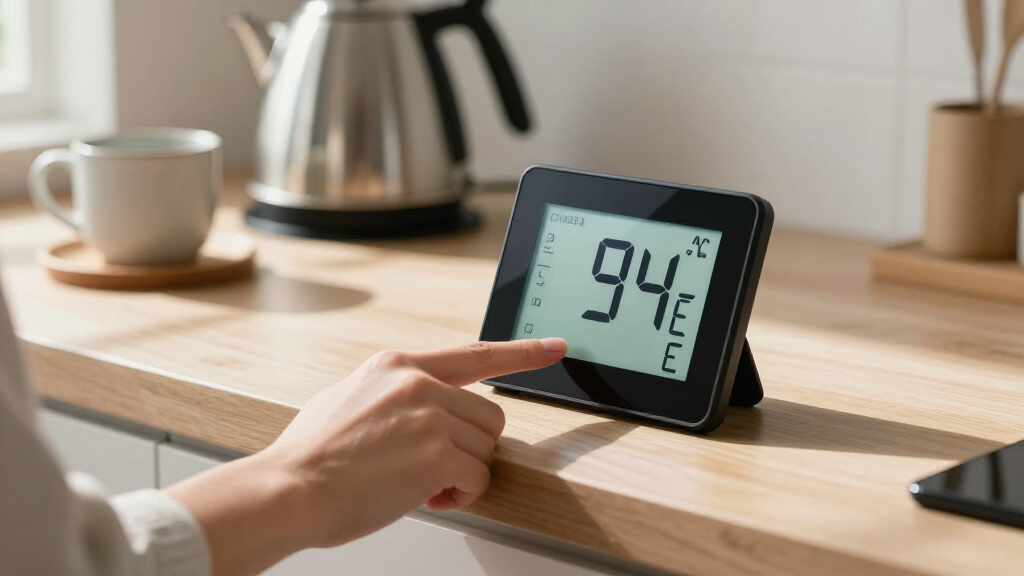
A betting market indicates a potential for Denver’s high temperature to surpass 94°F on August 12, 2026, but weather predictions remain uncertain. The event’s likelihood is based on market activity, not official forecasts.
There is currently no official weather forecast confirming whether Denver will experience a high temperature above 94°F on August 12, 2026. However, a recent surge in trading activity in a betting market indicates a perceived likelihood among participants that the temperature could surpass this threshold on that date.
The prediction about Denver’s temperature on August 12, 2026, is primarily based on a market for weather outcomes operated by Kalshi, which has seen six recent trades betting on the high temperature exceeding 94°F. These trades suggest some market participants believe there is a significant chance of this event occurring.
Despite this activity, no official weather forecast or meteorological model currently confirms that Denver will reach or exceed 94°F on that specific day. Weather predictions for so far in advance remain highly uncertain, especially for a specific temperature threshold several years into the future. You can check Philadelphia’s forecast or other cities’ weather outlooks for similar long-term predictions.
Experts emphasize that market-based predictions are speculative and should not be taken as definitive forecasts. The activity reflects perceived probabilities among traders, not scientific certainty.
Implications of Market-Driven Temperature Predictions
This market activity highlights how public perception and betting markets can reflect uncertainties about future weather patterns, especially in the context of climate change. While such markets are not reliable sources of weather forecasts, they can indicate areas of concern or interest among participants.
For residents and policymakers in Denver, understanding that no official forecast confirms this temperature threshold is crucial. The market activity does not replace meteorological predictions but underscores the importance of preparing for variable weather conditions, especially amid ongoing climate shifts.
As an affiliate, we earn on qualifying purchases.
Understanding the Basis of Future Weather Predictions
Forecasting weather several years in advance involves significant uncertainty. Currently, climate models can project general trends—such as increased likelihood of heatwaves—over decades but cannot specify exact temperatures on specific days so far into the future.
The recent trades on Kalshi reflect a speculative market where traders bet on weather outcomes based on their interpretations of climate data, seasonal patterns, and climate change impacts. Such markets have been used for short-term predictions but are less reliable for specific dates years ahead.
Historically, Denver’s summer temperatures have varied, with occasional days exceeding 94°F, but predicting such events with certainty years in advance remains outside current scientific capabilities.
“Forecasting specific temperatures several years into the future is highly uncertain. Market activity can reflect perceptions but does not replace scientific predictions.”
— Dr. Lisa Chen, Climate Scientist
As an affiliate, we earn on qualifying purchases.
Limits of Long-Term Weather Market Predictions
It remains unclear whether the recent market activity accurately reflects an increased likelihood of Denver reaching over 94°F on August 12, 2026. No scientific models currently provide specific temperature forecasts for that date, and weather predictions so far in advance are inherently uncertain.
Experts caution against overinterpreting market signals as definitive forecasts, emphasizing that climate variability and future climate change impacts complicate precise long-term predictions.
As an affiliate, we earn on qualifying purchases.
Monitoring Scientific Forecasts and Market Trends
In the coming years, meteorological agencies will update seasonal and long-term climate outlooks based on evolving data. Market activity may fluctuate as new climate models and data become available, but no official forecast will confirm the temperature on August 12, 2026, until closer to that date.
Researchers and policymakers will continue to analyze climate trends, and market activity will likely serve as an indicator of public perception rather than a reliable prediction tool for specific future weather events.
As an affiliate, we earn on qualifying purchases.
Key Questions
Can the market predict the actual weather on August 12, 2026?
No, the market reflects perceptions and betting activity, not scientific weather forecasts. Actual weather predictions for that date will be available closer to the time.
How reliable are long-term weather predictions?
Long-term weather forecasts, especially several years in advance, are highly uncertain. Climate models can indicate trends but cannot specify exact conditions on specific days so far ahead.
Why is there betting activity on future weather events?
Market activity allows participants to express expectations or hedge against climate-related risks. It also provides insights into perceived probabilities but is not a scientific forecast.
Will official weather agencies provide forecasts for August 2026?
Likely not until closer to the date, as forecasts for specific days several years in advance are unreliable. Agencies will update seasonal outlooks but cannot specify daily temperatures so far ahead.
Does climate change increase the chance of Denver hitting 94°F in August?
Climate change has increased the likelihood of more frequent and intense heatwaves, which could make temperatures exceeding 94°F more common in the future, but specific predictions for a particular day remain uncertain.
Source: kalshi
Fall Picks
fall essentials
As an affiliate, we earn on qualifying purchases.