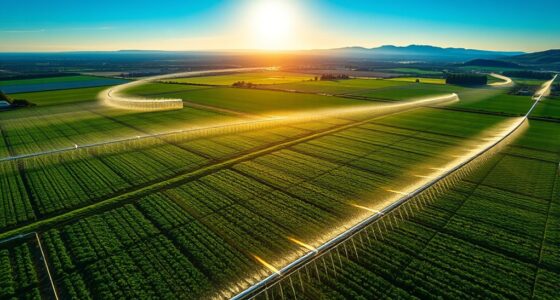
Vertical farming lets you grow fresh produce in urban skyscrapers without soil, using hydroponic systems for efficient, soil-free cultivation. This innovative approach maximizes limited space and provides a controlled environment for plants, free from pests and weather issues. You can enjoy locally sourced vegetables and fruits year-round while reducing your carbon footprint. It’s a sustainable solution that benefits both city dwellers and the environment. Want to explore how vertical farming can fit into your lifestyle?
Key Takeaways
- Vertical farming utilizes hydroponic systems to grow plants without soil, using nutrient-rich water solutions instead.
- This method allows for year-round cultivation regardless of outdoor climate and weather conditions.
- Hydroponics promotes faster growth and higher yields while conserving water compared to traditional agriculture.
- Vertical farms maximize urban space, enabling food production in city skyscrapers and reducing transportation distances.
- The approach supports sustainable practices by offering pesticide-free produce and minimizing reliance on industrial farming methods.
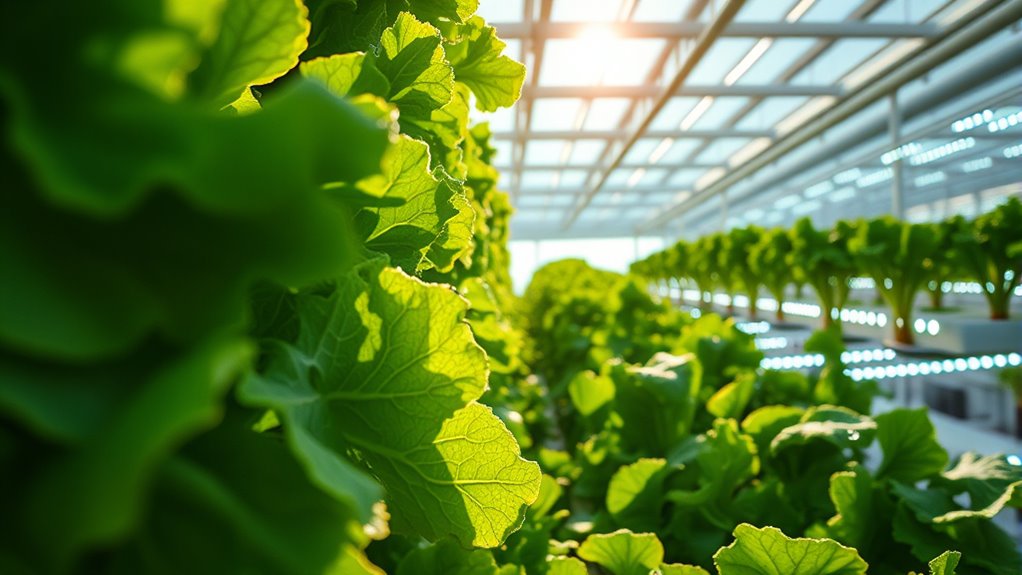
Have you ever imagined growing fresh produce in a city skyscraper? Vertical farming makes that vision a reality, allowing you to cultivate your own food without the need for traditional soil. By leveraging hydroponic systems, you can create a sustainable and efficient way to produce vegetables, herbs, and fruits right in the heart of urban landscapes. This innovative approach to urban agriculture is transforming how we think about food production and consumption.
Imagine cultivating fresh produce in a skyscraper using hydroponics, revolutionizing urban agriculture and redefining our relationship with food.
In a world where city populations are rapidly increasing, the demand for fresh produce is skyrocketing. With limited space and resources, vertical farming emerges as an ideal solution. You can maximize the use of vertical space, stacking plants in layers and utilizing advanced technology to guarantee optimal growth conditions. Hydroponic systems play a pivotal role in this process, delivering nutrients directly to the roots of plants in a water-based solution. This method not only conserves water but also promotes faster growth and higher yields.
Imagine stepping into a vertical farm on the 30th floor of your building, surrounded by vibrant greens and colorful vegetables. You can witness how urban agriculture thrives in a controlled environment, free from pests and harsh weather conditions. With hydroponics, you don’t have to worry about soil quality or contamination, as the plants thrive in a carefully monitored system. The ability to grow food indoors, regardless of climate, opens up a world of possibilities for fresh, locally sourced produce.
As you consider the benefits of vertical farming, think about the environmental impact too. Urban agriculture helps reduce the carbon footprint associated with transporting food over long distances. By growing your own food, you’re contributing to a more sustainable food system and decreasing reliance on industrial agriculture. Plus, you can enjoy the satisfaction of eating food you’ve nurtured yourself, knowing it’s free from harmful pesticides and chemicals.
Vertical farming isn’t just a trend; it’s a necessary evolution in how we approach food production in urban areas. With the right hydroponic systems and a little creativity, you could be part of a movement that redefines agriculture. So, why not embrace the future of food? Immerse yourself in the world of vertical farming and take a step towards a healthier, more sustainable lifestyle right where you live.

Ahopegarden Indoor Garden Hydroponics Growing System: 10 Pods Plant Germination Kit Herb Vegetable Growth Lamp Countertop with LED Grow Light – Hydrophonic Planter Grower Harvest Lettuce
High planting efficiency: Start an indoor herb garden with the Ahopegarden hydroponic growing system, which includes a water…
As an affiliate, we earn on qualifying purchases.
As an affiliate, we earn on qualifying purchases.
Frequently Asked Questions
What Are the Environmental Benefits of Vertical Farming?
Vertical farming offers significant environmental benefits, especially in sustainable energy and water conservation. You’re reducing the carbon footprint by using renewable energy sources to power these systems. It also uses up to 90% less water than traditional farming, thanks to precise irrigation methods. Plus, with no need for pesticides, you’re promoting healthier ecosystems. By choosing vertical farming, you’re supporting a greener future and ensuring food production is more efficient and environmentally friendly.
How Does Vertical Farming Affect Food Taste and Quality?
Vertical farming can enhance food taste and quality by allowing you to optimize plant nutrients effectively. With controlled environments, you can tailor nutrient levels to boost flavor and texture. Additionally, using advanced pest management strategies reduces the need for harmful pesticides, resulting in cleaner produce. This focus on quality guarantees that what you grow is not only tastier but also healthier, making vertical farming a promising method for producing superior food.
Is Vertical Farming Economically Viable for Small-Scale Farmers?
Yes, vertical farming can be a goldmine for small-scale farmers if they conduct a thorough cost analysis. By understanding the market feasibility, you can identify the best crops to grow and the most efficient systems to use. With initial investments in technology and setup, you’ll see tremendous yields and potentially high profits. If you play your cards right, vertical farming could skyrocket your farming business to new heights!
What Types of Crops Are Best Suited for Vertical Farming?
Leafy greens like lettuce, spinach, and kale are best suited for vertical farming. These crop varieties thrive in controlled environments and grow quickly, maximizing your yield. Herbs such as basil and mint also perform well, adding flavor to your offerings. When you use hydroponic or aeroponic growing methods, you can optimize space and resources, making it easier to cultivate these crops efficiently. Experimenting with different varieties can lead to exciting results in your vertical farm!
Can Vertical Farming Be Implemented in Urban Areas Effectively?
Yes, vertical farming can be effectively implemented in urban areas. Notably, studies show that a single vertical farm can produce the equivalent of 10 acres of traditional farmland. By leveraging existing urban infrastructure and enhancing technological integration, you can maximize space and resources. This innovative approach not only boosts local food production but also reduces transportation emissions, contributing to a more sustainable urban environment. Embrace the possibilities that vertical farming offers your city!

Vertical Farming
As an affiliate, we earn on qualifying purchases.
As an affiliate, we earn on qualifying purchases.
Conclusion
So, why bother with messy soil and unpredictable weather when you can grow your kale in a futuristic tower, right? Forget about the joys of gardening and connecting with Mother Nature—who needs that? Just plug in your vertical farm and watch your lettuce flourish under artificial lights while you sip your overpriced green smoothie. It’s like living in a sci-fi movie, minus the actual fun of getting dirt under your nails. Welcome to the future of food!
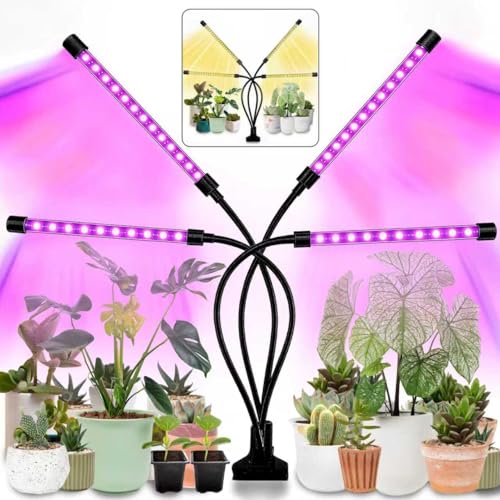
LEOTER Grow Light for Indoor Plants – Upgraded Version 80 LED Lamps with Full Spectrum & Red Blue Spectrum, 3/9/12H Timer, 10 Dimmable Level, Adjustable Gooseneck,3 Switch Modes
80 High-Efficiency Full Spectrum LED Grow Lights-LEOTER plant grow light features 80 high-efficiency LEDs (32 Red, 12 Blue,…
As an affiliate, we earn on qualifying purchases.
As an affiliate, we earn on qualifying purchases.

Urban Farming Guide For Beginners: VERTICAL GARDENING-The High Yield Technique to Grow a Bounty of Fruits, Vegetables, Herbs & Edible Flowers in Your Backyard, … Farms, Gardens & Backyard Homesteads)
As an affiliate, we earn on qualifying purchases.
As an affiliate, we earn on qualifying purchases.