TL;DR

Prime made for students and young adults
- Fast, free delivery for dorm and study essentials
- Prime Video and Amazon Music included
- Member-only deals
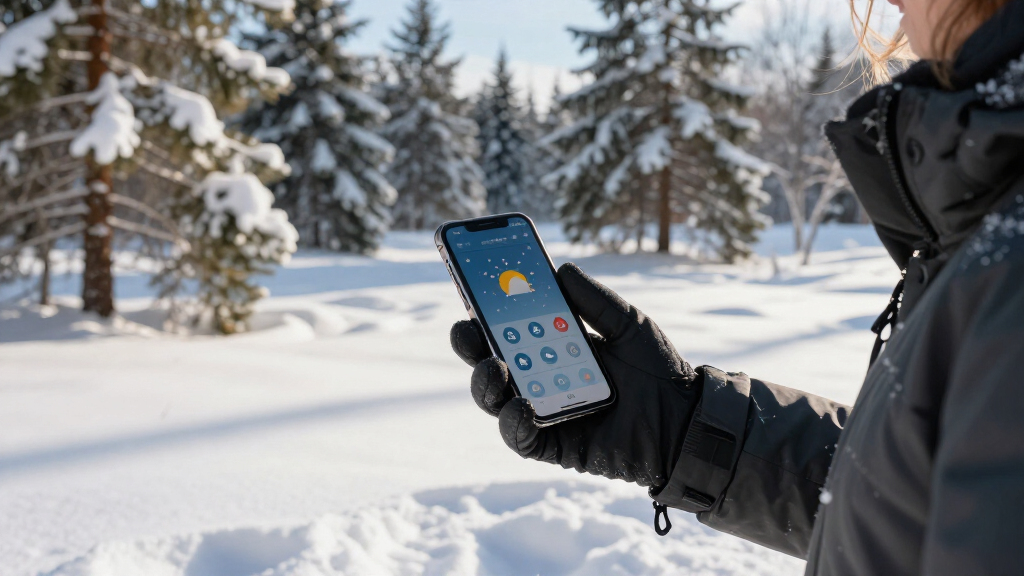
The US National Weather Service has released an initial forecast predicting above-average snowfall across northern states for the 2026 winter season, driven by expected El Niño conditions. The forecast indicates potential impacts on transportation and infrastructure, though details remain preliminary.
The US National Weather Service (NWS) has released an initial forecast for the 2026 winter season, predicting above-average snowfall across northern states due to anticipated El Niño conditions. This forecast, issued on March 2026, is based on climate models and historical patterns, and it is intended to help communities prepare for the upcoming winter.
The preliminary forecast indicates that regions including the Great Lakes, the Northern Plains, and parts of the Northeast could experience significantly increased snowfall compared to historical averages. Officials from the NWS stated that the forecast is based on current climate models projecting a strong El Niño, which typically influences winter weather patterns across the US.
While the forecast suggests a wetter and snowier winter in these areas, the NWS emphasized that it remains preliminary and subject to change as the season approaches. No specific snowfall totals or storm predictions have been confirmed at this stage, and the forecast will be refined as more data becomes available.
Impacts of the 2026 Winter Forecast on US Communities
This forecast can influence planning for transportation, infrastructure, and public safety. Regions expecting above-average snow may need to prepare for potential disruptions, including road closures, power outages, and increased emergency response needs. Authorities are encouraged to consider these early predictions in their winter preparedness efforts.
Popular right now

Ninja Foodi DZ550 10-Qt DualZone Smart XL Air Fryer, 6-in-1, Black

Breville Bambino Espresso Machine, Brushed Stainless Steel

Ninja Foodi Smart 6-in-1 Indoor Grill and Air Fryer, 4 Qt, Black/Silver, FG551
As an affiliate, we earn on qualifying purchases.
Historical Trends and Climate Factors Influencing 2026 Snowfall
The US experiences variable winter weather patterns influenced by larger climate phenomena like El Niño and La Niña. Historically, strong El Niño events tend to bring wetter and snowier winters to northern states, as seen in past seasons such as 1997-1998 and 2015-2016. The current climate models indicate that El Niño conditions are likely to develop strongly this year, which aligns with the forecast for increased snowfall.
It is important to note that weather predictions at this lead time are inherently uncertain, and actual conditions may differ as the season progresses. The forecast is an early indicator intended to guide preparedness rather than a precise prediction.
Forecast Confidence and Factors That Could Change Outcomes
The forecast remains preliminary, with climate models still being refined. Factors such as the strength and timing of El Niño development, oceanic conditions, and atmospheric variability could alter the snowfall expectations. The exact severity and geographic distribution of snowfall are still uncertain and will become clearer as the season approaches.
Refining the Winter Forecast as Season Approaches
Meteorologists will continue to monitor climate signals and update the forecast over the coming months. As winter nears, more precise predictions regarding snowfall amounts and storm activity are expected. Local authorities should stay informed and prepare for a range of possible scenarios based on updated forecasts.
Key Questions
How reliable is the early 2026 winter forecast?
The forecast is preliminary and based on current climate models, which have inherent uncertainties. It provides an early indication but may be refined as more data becomes available closer to winter.
What regions are expected to see the most snowfall?
According to the forecast, the Great Lakes, Northern Plains, and parts of the Northeast are expected to experience above-average snowfall, though specifics will be clearer later in the season.
Could the forecast change significantly before winter?
Yes, climate variability and the development of El Niño conditions could lead to adjustments in the forecast. Monitoring updates from the National Weather Service is recommended.
How might this forecast affect public safety and infrastructure planning?
Communities in predicted snow-prone areas should prepare for potential disruptions, including road maintenance, emergency services, and power grid stability, based on updated forecasts.
Source: google-trends