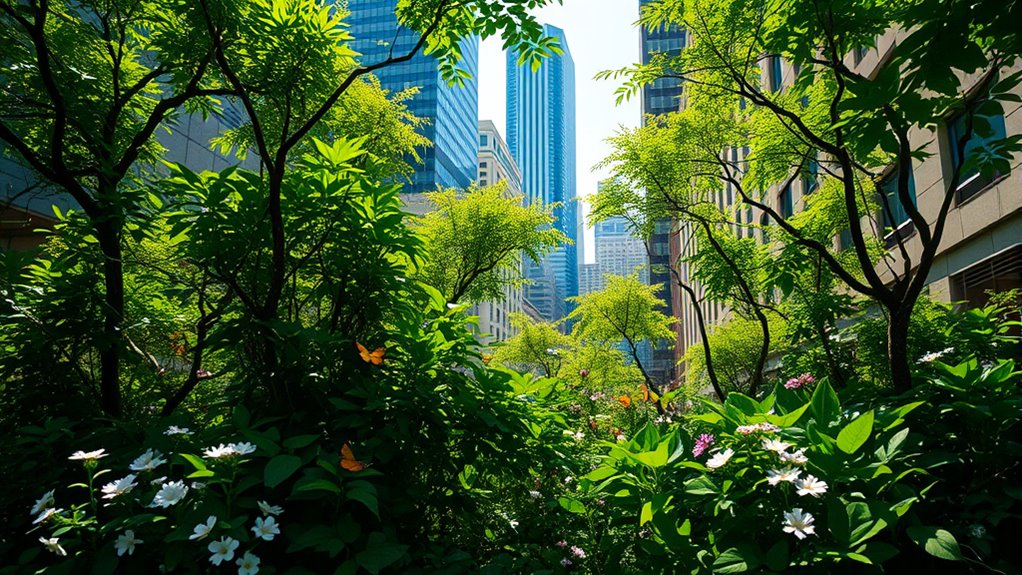

Urban microforests are small, densely planted woodlands that can transform your city into a cooler, greener space. They help combat the urban heat island effect, improve air quality, and support local wildlife. By using adaptable tree species and enhancing soil health, you can create a thriving environment that reduces energy costs and boosts biodiversity. These tiny woodlands not only beautify neighborhoods but also make cities more resilient against climate impacts. There’s more to discover about their benefits!

Prime made for students and young adults
- Fast, free delivery for dorm and study essentials
- Prime Video and Amazon Music included
- Member-only deals
Key Takeaways
- Urban microforests enhance city aesthetics while providing shade, helping to cool urban heat islands effectively.
- Diverse tree species in microforests improve air quality and support local wildlife habitats.
- Soil management practices, like composting, sustain healthy tree growth and reduce watering needs.
- Microforests lower energy costs by decreasing cooling demands during hot summer months.
- These small green spaces promote ecosystem resilience and contribute to healthier urban environments.
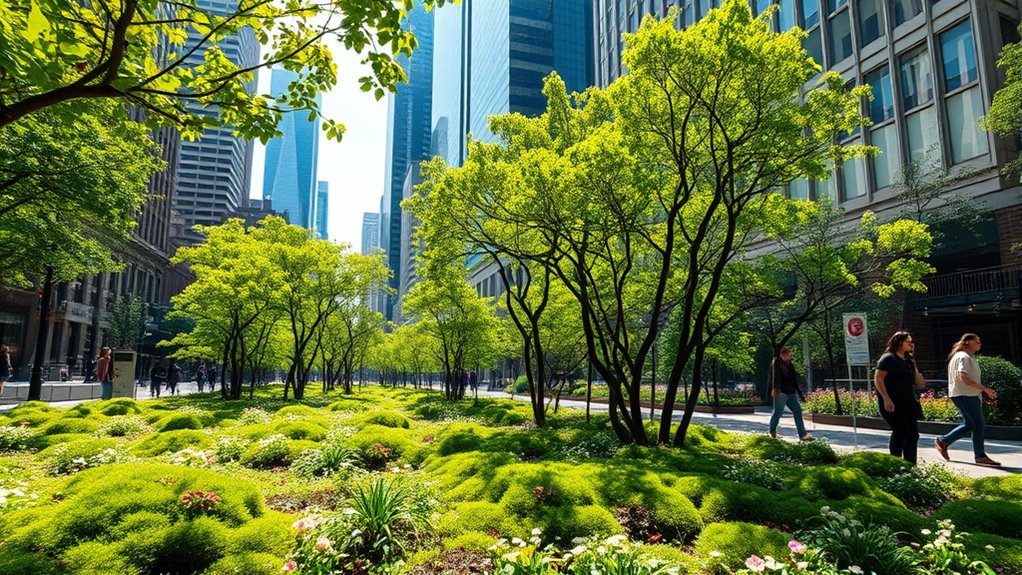
Urban Microforests
Have you ever wondered how a small patch of trees can transform an urban landscape? Urban microforests, those tiny woodlands tucked into city corners, hold incredible potential to reshape our environments. They not only enhance the aesthetic appeal of concrete jungles but also play an essential role in cooling the air, improving air quality, and supporting biodiversity. When you think about it, just a few strategically planted tree species can make a substantial difference in how you experience your city.
Incorporating various tree species into these microforests is vital. Different trees offer unique benefits, from providing shade to absorbing pollutants. Species like the honey locust or river birch are known for their adaptability to urban conditions. You might find them thriving in tight spaces, where larger trees would struggle. By selecting the right mix of trees, you guarantee a healthy ecosystem that supports not only the trees themselves but also the wildlife that depends on them. Birds, insects, and even small mammals can find refuge in these small habitats, enhancing urban biodiversity.
Soil management is another vital aspect of establishing a successful urban microforest. The health of the soil directly affects the growth of the trees and the overall sustainability of the microforest. You can engage in practices like composting and mulching to enrich the soil and retain moisture. This not only helps the trees thrive but also reduces the need for additional watering, which is essential in drought-prone areas. Proper soil management creates a foundation that supports not just the tree species but the entire ecosystem within the microforest. Additionally, maintaining healthy soil is crucial for sustaining the diverse life forms that benefit from these urban patches.
As these patches of greenery grow, you’ll notice the benefits multiply. They help mitigate the urban heat island effect, where cities can be markedly warmer than surrounding areas due to human activities and infrastructure. The shade provided by trees cools the air, making summer months more tolerable. In turn, this can even reduce energy costs for cooling buildings during peak summer temperatures.
urban microforest tree planting kit
As an affiliate, we earn on qualifying purchases.
As an affiliate, we earn on qualifying purchases.
Frequently Asked Questions
How Do Urban Microforests Improve Air Quality in Cities?
Urban microforests improve air quality by considerably reducing pollution and filtering out particulate matter. When you plant trees and shrubs in these small green spaces, they absorb carbon dioxide and release oxygen, enhancing the air you breathe. These plants also trap dust and harmful particles, keeping the air cleaner. By incorporating microforests into urban areas, you’re not only boosting biodiversity but also creating healthier environments that benefit everyone in the community.
What Types of Trees Are Best for Microforests?
When creating microforests, you’ll want to focus on native species that thrive in your area. Did you know that planting native trees can boost local biodiversity by up to 50%? Consider drought-tolerant varieties like oaks or pines, as they require less water and adapt well to changing climates. These trees not only support wildlife but also enhance air quality, making your microforest a sustainable choice for both nature and your community.
Can Microforests Help With Urban Wildlife Habitats?
Yes, microforests can markedly enhance urban wildlife habitats. By incorporating native plant species, you create a diverse ecosystem that attracts various animals and insects. These small woodlands act as wildlife corridors, allowing species to move safely through urban areas. When you plant trees, shrubs, and flowers that are indigenous to your region, you support local wildlife and promote biodiversity. You’ll notice more birds, pollinators, and other creatures thriving in these rejuvenated spaces.
How Do I Start a Microforest in My Community?
To start a microforest in your community, think of it as planting seeds of change. Gather your neighbors and engage them in a shared vision. Use effective planting techniques, like layering species for biodiversity, to guarantee a thriving ecosystem. Organize workshops to teach about native plants and their benefits, fostering community engagement. With every sapling you plant, you’re not just creating a forest; you’re nurturing connections that grow deeper over time.
Are There Any Costs Associated With Creating Urban Microforests?
Yes, there are costs associated with creating urban microforests. You’ll need to factor in a financial investment for soil, plants, and necessary tools. Additionally, maintenance costs can arise from watering, pruning, and possibly replacing plants over time. It’s essential to budget for these ongoing expenses to keep your microforest thriving. Engaging volunteers can help minimize costs and foster community involvement, making the project more sustainable in the long run.
compact tree species for small gardens
As an affiliate, we earn on qualifying purchases.
As an affiliate, we earn on qualifying purchases.
Conclusion
Imagine stepping into a vibrant microforest, where dappled sunlight filters through a canopy of leaves, and the air is filled with the scent of damp earth and blooming flowers. These tiny woodlands aren’t just pockets of nature; they’re cooling oases that breathe life into our concrete jungles. By embracing urban microforests, you can help transform your city into a greener, more inviting space, where the soothing rustle of leaves offers a invigorating escape from the urban hustle.
soil composting and mulching kit
As an affiliate, we earn on qualifying purchases.
As an affiliate, we earn on qualifying purchases.
tree watering system for microforests
As an affiliate, we earn on qualifying purchases.
As an affiliate, we earn on qualifying purchases.
Halloween Picks
halloween
As an affiliate, we earn on qualifying purchases.