Cinema cameras may seem overkill at first, but their true power reveals itself when you master key techniques like lighting and stabilization. Good lighting helps you craft mood, highlight subjects, and get the most out of the camera’s dynamic range. Stabilization keeps your shots steady, making your footage look professional. If you want to release their full potential and make your projects stand out, understanding these essentials is vital—and there’s more to discover beyond this.
Key Takeaways
- Mastering lighting techniques allows cinema cameras to fully showcase their dynamic range and cinematic quality.
- Proper stabilization ensures smooth footage, making high-end camera movements look professional and polished.
- Effective light control and exposure management prevent footage from looking overexposed or underexposed.
- Combining stabilization with expert lighting transforms high-end gear into powerful storytelling tools.
- Investing in these skills maximizes the benefits of cinema cameras, making them essential rather than overkill.

Cinema cameras often seem like overkill for most projects, especially when you’re just starting out or working on a tight budget. You might think, “Why invest in such expensive gear when my smartphone or basic cam does the job?” But there’s a vital element that makes cinema cameras worth every penny—something that can make or break your entire project. That’s where lighting techniques and camera stabilization come into play. These tools and skills are what elevate your footage from amateur to professional, and without them, even the best camera can fall flat.
Lighting and stabilization transform cinema cameras into professional-grade tools, elevating your footage beyond basic and amateur levels.
When you’re using cinema cameras, lighting techniques become even more key. Unlike simpler cameras, cinema cameras capture a broader dynamic range, but that benefit only works if you know how to harness it. Proper lighting allows you to craft a mood, highlight your subject, and eliminate unwanted shadows or glare. It’s not just about turning on a light; it’s about understanding how to shape light with diffusers, reflectors, and color gels. This control over lighting can dramatically improve your footage’s clarity and mood, giving it a polished, cinematic look. You might think you can just shoot in natural light, but with cinema cameras, the right lighting techniques can help you avoid overexposed highlights or underexposed shadows—mistakes that are glaringly obvious in high-quality footage. Developing lighting skills is essential for making the most of your camera’s capabilities. Additionally, understanding light control can help you adapt to various shooting environments and achieve consistent results. Mastering exposure management is equally important to prevent loss of detail in your shots. Good light control also plays a crucial role in color accuracy, ensuring that your scene’s colors remain true to life and contribute to the overall aesthetic.
Camera stabilization is another key factor that transforms your shots from shaky and unprofessional to smooth and cinematic. Cinema cameras are often heavier and more sensitive, making stabilization techniques essential. Using rigs, gimbals, or steadicams helps you achieve steady shots, even when moving or filming in dynamic environments. When your footage is stable, viewers focus on your story, not on distracting camera shakes. Good stabilization also allows you to execute complex shots—like tracking or crane shots—that add production value to your project. Without it, your footage can look amateurish, no matter how expensive your camera is.
In fact, these aspects—lighting techniques and camera stabilization—are what truly open the power of cinema cameras. They require skill and practice, but once mastered, they make your footage look professional. So, while cinema cameras may seem like overkill at first, investing time in learning how to light your scenes effectively and stabilize your shots will guarantee your project stands out. These elements are the secret ingredients that turn high-end gear into compelling, cinematic storytelling. Understanding the fundamentals of lighting and stabilization can significantly fast-track your progress and improve your overall filmmaking quality.

2-Pack LED Video Light Kit, NiceVeedi Studio Light, 2800-6500K Dimmable Photography Lighting Kit with Tripod Stand&Phone Holder, 73" Stream Light for Video Recording, Game Streaming, YouTube
- Multiple Color Temperatures: 2800K, 4800K, 6500K options
- Adjustable Brightness: 10% to 100% control
- High CRI 97+: Accurate color rendering
As an affiliate, we earn on qualifying purchases.
As an affiliate, we earn on qualifying purchases.
Frequently Asked Questions
What Is the Typical Cost of High-End Cinema Cameras?
High-end cinema cameras typically cost between $30,000 and $100,000, depending on features and brand comparisons. You should consider your budget considerations carefully, as these cameras are an investment. Brands like RED, ARRI, and Canon offer top-tier options, but prices vary. If you need professional-quality footage, it’s worth allocating funds for the right camera. Balancing your budget with the camera’s capabilities guarantees you get the best value for your production.
How Much Training Is Required to Operate These Cameras Effectively?
You’ll need some training to operate high-end cinema cameras effectively, focusing on camera ergonomics and shooting protocols. Spending a few days or weeks with hands-on practice helps you understand camera handling, setup, and shot composition. Many manufacturers or professional courses offer specialized training, making sure you’re comfortable managing complex controls, maintaining stability, and capturing high-quality footage. This preparation boosts your confidence and ensures you get the most out of your expensive gear.
Are Cinema Cameras Suitable for Amateur Filmmakers?
You might think cinema cameras are only for pros, but about 60% of amateur filmmakers use them for serious projects. They’re suitable if you’re ready to learn lighting setups and streamline post-production workflows. While these cameras can be complex, many models now offer user-friendly features. With some dedication, you can create high-quality films. Just be prepared to invest time in mastering the equipment and editing processes, making your projects stand out.
What Are the Storage Requirements for High-Resolution Footage?
You’ll need substantial storage capacity for high-resolution footage, often several terabytes, depending on your project’s length and quality. Make sure your system supports fast data transfer rates, like Thunderbolt or USB-C, to handle large file sizes efficiently. Using high-speed drives minimizes lag during editing and prevents data loss. Regularly back up your footage to avoid setbacks. Planning your storage and transfer setup ensures smooth workflow and quick access to your high-res content.
How Do Cinema Cameras Compare to DSLR Cameras for Video?
Think of cinema cameras as the Swiss Army knives of video gear, offering better lens compatibility and superior color grading options than DSLRs. While DSLRs are versatile and great for amateurs, cinema cameras excel in delivering cinematic quality with higher bit rates and more professional features. If you’re serious about production value, cinema cameras give you the control and image quality needed to craft polished, cinematic footage.
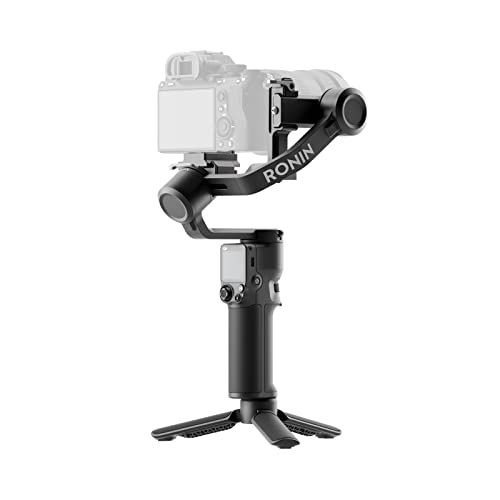
DJI RS 3 Mini, Camera Gimbal Stabilizer, Canon/Sony/Nikon/Fujifilm
- Lightweight and Portable: 795g for easy travel and extended use
- Wide Compatibility: Supports cameras up to 2kg (4.4 lbs) with various lenses
- Bluetooth Shutter Control: Remotely control photo and video functions
As an affiliate, we earn on qualifying purchases.
As an affiliate, we earn on qualifying purchases.
Conclusion
So, don’t dismiss cinema cameras as overkill just yet. When you need that pristine sound quality to elevate your project, you’ll be glad you invested. Remember, it’s better to have it and not need it than to need it and not have it. As the saying goes, “Better safe than sorry.” In the world of filmmaking, having the right tools can make all the difference—sometimes, it’s the small details that create a big impact.
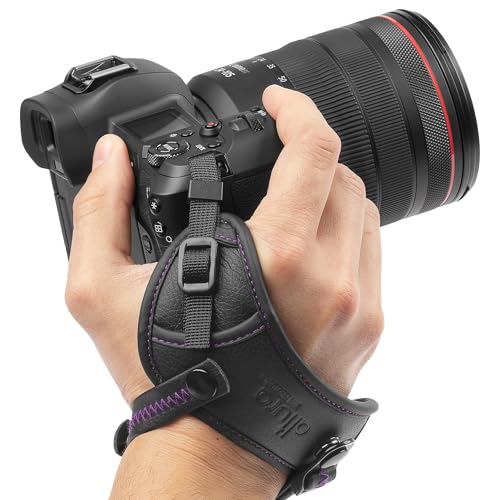
Altura Photo Camera Wrist Strap, Padded Hand Grip for DSLR, Canon & More
- Secure Tether Prevents Drops: Prevents accidental camera slips with secure tether
- Dual-Grip Design: Secures both hand and wrist for stability
- Padded Wrist Holder: Provides all-day comfort and reduces strain
As an affiliate, we earn on qualifying purchases.
As an affiliate, we earn on qualifying purchases.

K&F Concept 24" x36” 5-in-1 Oval Foldable Reflector, with Carrying Bag
- Versatile 5-in-1 Reflector: Includes gold, silver, white, black, translucent
- Multiple Light Effects: Softens sunlight, brightens shadows, adds warmth
- Portable and Lightweight: Quick folding design with carrying bag
As an affiliate, we earn on qualifying purchases.
As an affiliate, we earn on qualifying purchases.