
TL;DR

Get school and study supplies delivered free — and shop member deals
- Fast, free delivery on millions of items
- Access to Prime Big Deal Days deals on October 6–7
- Prime Video, Amazon Music and more included
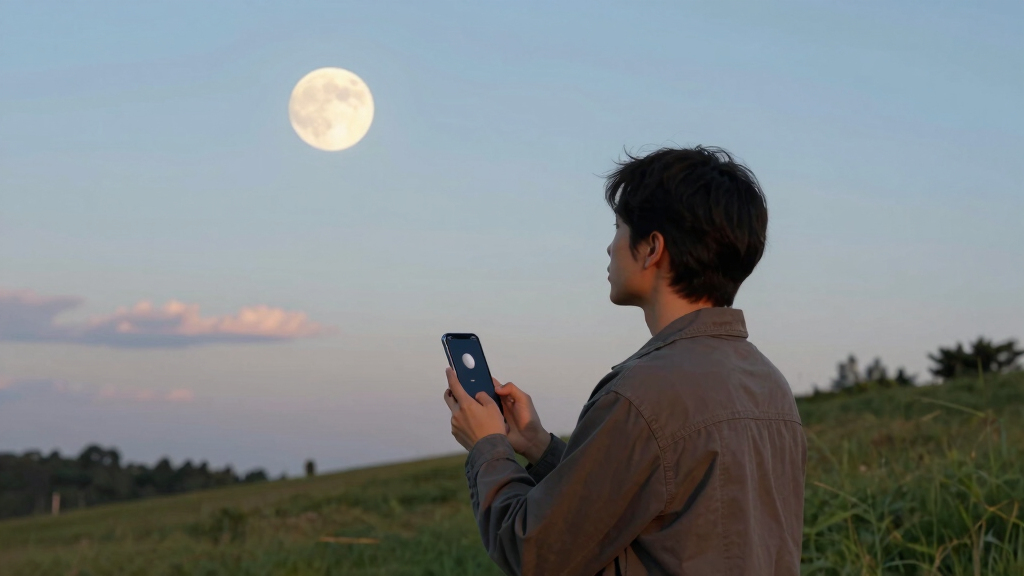
The strawberry moon will appear in the night sky soon, with specific rising times depending on your location. This event is notable for its timing and cultural significance, and viewers should plan accordingly.
The strawberry moon will rise in the night sky soon, with peak visibility expected in June 2026. This event is significant for skywatchers and cultural observers, offering a chance to witness a full moon that traditionally signals the start of summer in the Northern Hemisphere.
The strawberry moon is the name given to the full moon occurring in June, and in 2026, it is expected to reach peak illumination on June 21. Exact rise times vary by location, but generally, the moon will appear shortly after sunset. The event is named for the strawberry harvesting season, and it is often associated with cultural and historical traditions. Experts from NASA and astronomical societies have confirmed the date and timing of the full moon, and they advise skywatchers to check local times for optimal viewing. This year’s event is also notable for its brightness and potential for spectacular observations, especially in areas with minimal light pollution.
Why the 2026 Strawberry Moon Matters for Skywatchers
This upcoming full moon is of interest not only because of its timing but also due to its cultural significance across many societies. Historically, it marked the start of the strawberry harvesting season in North America and was linked to various festivals and rituals. For modern skywatchers, it offers an excellent opportunity to observe a bright, full moon with minimal interference from weather conditions, depending on local forecasts. Additionally, the event’s timing in June aligns with the beginning of summer in the Northern Hemisphere, making it a popular occasion for outdoor activities and moon-gazing events.
As an affiliate, we earn on qualifying purchases.
Historical and Astronomical Context of the Strawberry Moon
The name ‘strawberry moon’ originates from Native American and European traditions, where it signified the time of strawberry harvesting. Astronomically, it is the full moon that occurs in June, typically around the solstice period. The 2026 event is part of a regular lunar cycle, with the full moon occurring once each month. Previous years have seen similar events, but each year’s moon can appear slightly different in brightness and size depending on atmospheric conditions. The moon’s rise time varies by geographic location, with some regions experiencing earlier or later visibility. Experts note that the full moon in June is often one of the brightest of the year, making it a prime target for moon watchers and photographers.
“Viewing times will vary depending on your location, but generally, the moon will be visible shortly after sunset on June 21.”
— John Carter, President of the Astronomical Society
As an affiliate, we earn on qualifying purchases.
Regional Variations and Weather Impact on Visibility
While the date and approximate rise time are confirmed, the exact visibility will depend on local weather conditions and geographic location. Cloud cover or light pollution could affect the viewing experience. Additionally, some regions may experience slightly different peak times due to local atmospheric effects, which are still being refined by meteorological and astronomical forecasts.
As an affiliate, we earn on qualifying purchases.
Preparing for the Night of the Strawberry Moon in 2026
Skywatchers are advised to check local moonrise times closer to June 21, 2026, through reliable astronomical sources or apps. Planning outdoor viewing spots with minimal light pollution and clear horizons will enhance the experience. Organizations and astronomy clubs may host viewing events, so checking local schedules could provide guided opportunities to observe the moon. Meteorological forecasts closer to the date will also help determine the best night for viewing if weather conditions are uncertain.
outdoor moon observation lantern
As an affiliate, we earn on qualifying purchases.
As an affiliate, we earn on qualifying purchases.
Key Questions
When exactly will the strawberry moon rise in 2026?
The full moon will peak on June 21, 2026, with rising times generally shortly after sunset, but exact times vary by location. Check local astronomical sources for precise timings.
Why is it called the strawberry moon?
The name originates from Native American and European traditions, marking the strawberry harvesting season in early summer.
How can I best view the strawberry moon?
Find a location with minimal light pollution, check local moonrise times, and plan to be outside shortly after sunset on June 21, 2026. Clear weather will enhance visibility.
Will the moon look different in 2026 compared to other years?
Its brightness and size may vary depending on atmospheric conditions, but it will be a full moon, similar to other June full moons.
Are there any special events planned for viewing the strawberry moon?
Some astronomy clubs and organizations may host viewing parties or educational events, so check local listings as the date approaches.
Source: google-trends
Fall Picks
fall essentials
As an affiliate, we earn on qualifying purchases.