TL;DR

Prime made for students and young adults
- Fast, free delivery for dorm and study essentials
- Prime Video and Amazon Music included
- Member-only deals
This week features the full Strawberry Moon on July 3, along with notable planetary views and meteor showers. These events are confirmed and visible to observers, offering opportunities for skywatchers worldwide.
On July 3, the full Moon known as the Strawberry Moon will be visible across the Northern Hemisphere, marking the most significant confirmed celestial event of this week. This natural phenomenon is expected to be visible to skywatchers worldwide, offering an opportunity to observe the full Moon at its peak.
The Strawberry Moon, occurring on July 3, is the full Moon in June, traditionally named for the strawberry harvest season in North America. According to Sky & Telescope, it will be at its fullest at approximately 2:39 UTC. In addition, planetary observers can look forward to the visibility of Venus and Jupiter in the evening sky, with Venus shining brightly near the horizon and Jupiter visible after sunset. A minor meteor shower, the Alpha Capricornids, is also active and may produce occasional meteors during this period. These events are confirmed by astronomical sources and are expected to be observable with standard binoculars or telescopes, depending on conditions.
While the Moon’s phase and planetary positions are well documented and predictable, some claims about potential meteor activity or rare planetary conjunctions are still under observation and have not been officially confirmed by astronomical authorities. The timing and visibility of these phenomena may vary depending on local weather conditions and observer location.
Why the Strawberry Moon and Planetary Views Matter for Skywatchers
The full Moon, especially the Strawberry Moon, is a significant cultural and astronomical event, providing a spectacular sight for observers. It marks the beginning of the strawberry harvesting season in North America and offers a chance for amateur astronomers and the public to engage with celestial phenomena. The visibility of planets like Venus and Jupiter enhances the week’s astronomical appeal, encouraging public interest and educational opportunities. These events are also useful for scientific observation, helping astronomers track lunar phases, planetary positions, and meteor activity.
Overall, these confirmed events promote public engagement with astronomy and provide accessible opportunities for skywatchers to observe and learn about our solar system and the night sky.
As an affiliate, we earn on qualifying purchases.
Key Astronomical Events and Their Timing This Week
This week’s sky events are centered around the full Moon cycle and planetary visibility. The full Strawberry Moon occurs on July 3 at approximately 2:39 UTC, a well-predicted and documented event. Planetary observers can see Venus in the western sky after sunset, with Jupiter visible shortly thereafter, according to astronomical charts. The Alpha Capricornids meteor shower, active from late June to early July, is expected to produce occasional meteors, though it is not a major shower and activity may be modest.
Historically, full Moons like the Strawberry Moon have been important for cultural and agricultural practices. Astronomers note that planetary alignments and meteor showers are common throughout the year, but their visibility depends on local conditions. No rare planetary conjunctions or extraordinary meteor activity have been confirmed for this week, though ongoing observations continue.
Previous similar events have included notable lunar eclipses and planetary conjunctions, but none are scheduled for this specific period, making this week primarily a time for observing regular, predictable celestial phenomena.
“The full Strawberry Moon will reach its peak on July 3 at approximately 2:39 UTC, providing a spectacular sight for observers worldwide.”
— Sky & Telescope
As an affiliate, we earn on qualifying purchases.
Weather and Local Conditions Could Affect Visibility
While the timing and nature of the celestial events are confirmed, actual visibility depends on local weather conditions. Cloud cover, light pollution, and atmospheric clarity may limit observation opportunities in some areas. Additionally, minor meteor activity from the Alpha Capricornids may vary in intensity and is not guaranteed to produce visible meteors every night.
There are no reports of unexpected or rare celestial events, but ongoing monitoring continues, and any last-minute changes in visibility or activity are still possible.
As an affiliate, we earn on qualifying purchases.
Upcoming Celestial Events and Observation Opportunities
Following this week’s events, the next notable astronomical occurrence is the New Moon on July 17, which will provide dark skies for deep-sky observation. The Perseid meteor shower is expected to peak in mid-August, offering a major opportunity for meteor enthusiasts. Astronomers recommend checking local forecast conditions and preparing telescopes or binoculars to maximize viewing potential.
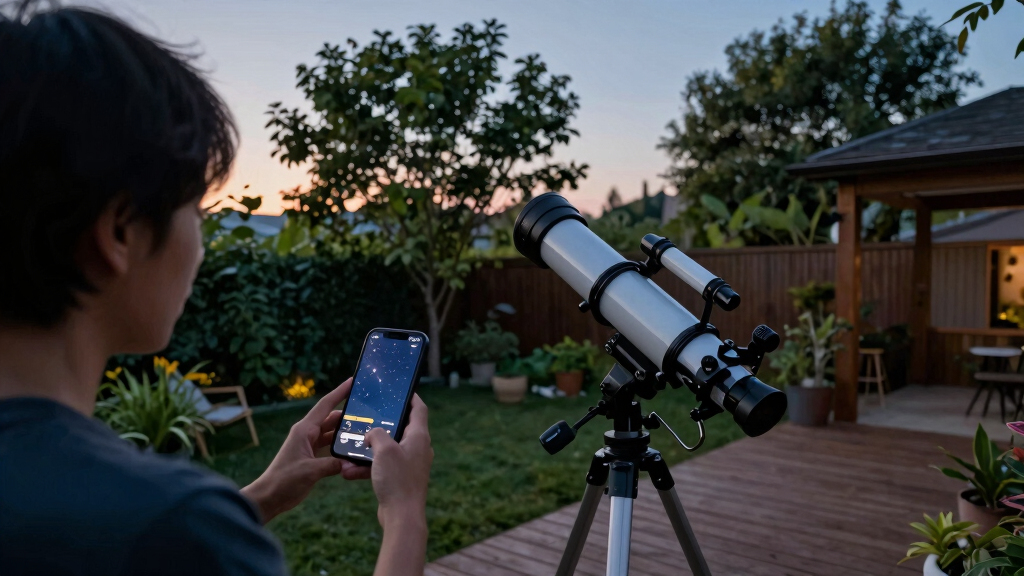
Observers are encouraged to track lunar phases, planetary positions, and meteor activity through astronomy apps and local observatories’ schedules for upcoming events.
As an affiliate, we earn on qualifying purchases.
Key Questions
When is the best time to see the Strawberry Moon?
The full Moon will be at its peak on July 3 at approximately 2:39 UTC, but it will be visible from sunset on July 2 through dawn on July 4, weather permitting.
Can I see Venus and Jupiter with binoculars?
Yes, both planets are visible to the naked eye, but binoculars or a small telescope will enhance the view, especially for Jupiter’s moons and Venus’s phases.
Will there be any major meteor showers this week?
The Alpha Capricornids meteor shower is active, but it is a minor shower with modest activity. No major meteor showers are expected during this period.
Are there any upcoming rare planetary conjunctions?
No rare conjunctions are scheduled for this week, according to current astronomical data. Most planetary positions are typical for this time of year.
Source: google-trends
Halloween Picks
halloween
As an affiliate, we earn on qualifying purchases.