
TL;DR

Prime made for students and young adults
- Fast, free delivery for dorm and study essentials
- Prime Video and Amazon Music included
- Member-only deals
A geomagnetic storm triggered by solar activity has led to a spectacular aurora borealis display across northern Europe. Authorities confirm the event, which is expected to continue in the coming hours. The phenomenon is linked to recent sun eruptions, but some details remain uncertain.
A geomagnetic storm caused by a recent solar eruption has resulted in a widespread aurora borealis display across northern Europe. The event, confirmed by space weather agencies, has attracted thousands of viewers and highlights the ongoing impact of solar activity on Earth’s magnetic environment.
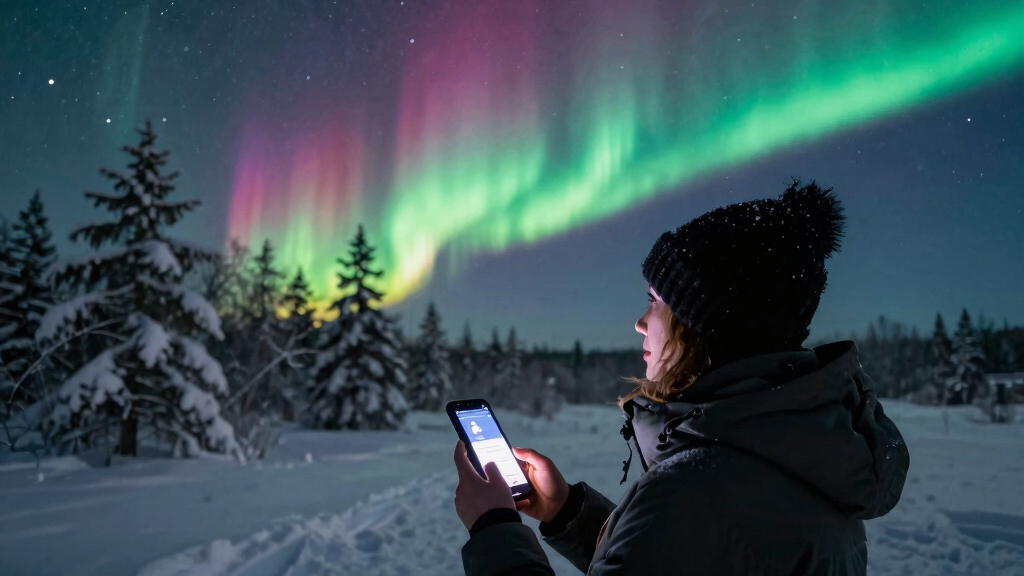
According to the European Space Agency (ESA) and the National Oceanic and Atmospheric Administration (NOAA), a significant solar flare erupted from the Sun’s surface on March 24, 2024. This eruption released charged particles that interacted with Earth’s magnetic field, creating a geomagnetic storm classified as G4, which is considered severe. As a result, vibrant aurora borealis, also known as the northern lights, have been visible as far south as parts of Germany, the UK, and Scandinavia. Authorities have confirmed the storm’s link to the solar activity, with NOAA warning that the storm could last into the early hours of March 25, 2024.Local observers and authorities report that the auroras appeared unexpectedly and with high intensity, illuminating the night sky with green, red, and purple hues. The phenomenon has been particularly vivid in rural areas with minimal light pollution. Scientists emphasize that such displays are a direct consequence of solar particles colliding with Earth’s atmosphere, a natural but spectacular response to solar eruptions.
While the event is confirmed and ongoing, experts note that the intensity and duration of the aurora display depend on geomagnetic conditions, which can fluctuate. No injuries or damages have been reported, and authorities advise viewers to remain cautious if venturing outdoors late at night.
Why the Aurora Borealis Event Matters for Earth and Space Weather
The occurrence of a severe geomagnetic storm underscores the ongoing influence of solar activity on Earth’s magnetic environment. Such events can disrupt satellite operations, communication systems, and power grids, making monitoring crucial. The visible aurora borealis also provides a rare opportunity for scientists and the public to observe space weather phenomena firsthand, increasing awareness of solar-terrestrial interactions.
Additionally, this event serves as a reminder of the Sun’s dynamic behavior and the importance of space weather forecasting. While the current storm is not expected to cause widespread technological disruptions, it highlights the need for preparedness and continued research into solar activity’s effects on Earth.
aurora borealis viewing binoculars
As an affiliate, we earn on qualifying purchases.
As an affiliate, we earn on qualifying purchases.
Recent Solar Activity and Historical Aurora Events
Solar eruptions, including solar flares and coronal mass ejections (CMEs), are common during the solar cycle, which peaks approximately every 11 years. The last significant solar maximum occurred in 2013-2014, with increased solar activity recorded in recent months. The current eruption on March 24, 2024, is part of this ongoing cycle, triggered by magnetic activity on the Sun’s surface.
Historically, severe geomagnetic storms have caused disruptions ranging from radio blackouts to power outages, such as the Carrington Event of 1859, which is often cited as the most intense solar storm on record. Modern technology, however, makes us more vulnerable to such events, emphasizing the importance of space weather monitoring. The current aurora display is among the more intense in recent years, driven by a large CME directed toward Earth.
“The solar eruption on March 24 has released a large amount of charged particles, resulting in a severe geomagnetic storm that has produced spectacular auroras across northern Europe.”
— Dr. Lisa Morgan, ESA Space Weather Specialist
portable night sky telescope for northern lights
As an affiliate, we earn on qualifying purchases.
As an affiliate, we earn on qualifying purchases.
Uncertainties About the Storm’s Impact and Duration
While the current geomagnetic storm is confirmed and the auroras are visible, the exact duration and intensity of the display remain uncertain. Scientists cannot precisely predict how long the storm will last or how far south the auroras will be visible, as geomagnetic conditions can fluctuate rapidly. There is also no confirmation of potential impacts on satellite or power infrastructure at this stage.
light pollution filter for cameras
As an affiliate, we earn on qualifying purchases.
As an affiliate, we earn on qualifying purchases.
Monitoring and Future Space Weather Alerts
Space weather agencies will continue to monitor the geomagnetic storm, issuing updates and alerts as needed. The storm is expected to weaken gradually, but the possibility of additional aurora displays remains, especially in northern regions. Researchers will analyze data from this event to improve forecasting models. Public advisories recommend staying informed through official channels and avoiding unnecessary outdoor activity during intense geomagnetic activity.
warm outdoor clothing for aurora viewing
As an affiliate, we earn on qualifying purchases.
As an affiliate, we earn on qualifying purchases.
Key Questions
What causes the aurora borealis?
The aurora borealis is caused by charged particles from the Sun colliding with Earth’s atmosphere, producing colorful light displays primarily near the poles.
How often do geomagnetic storms occur?
Geomagnetic storms are linked to the solar cycle and solar eruptions; they can occur several times a year, with intensity varying based on solar activity.
Is this aurora dangerous?
No, the aurora itself is harmless. However, severe geomagnetic storms can disrupt satellites and power grids, so monitoring is important.
Can I see the aurora outside of northern Europe?
Yes, auroras can sometimes be seen in other high-latitude regions, including parts of North America and Russia, depending on storm strength.
Source: google-trends
Fall Picks
fall essentials
As an affiliate, we earn on qualifying purchases.