
TL;DR
Meteorologists confirm that the El Niño phenomenon is currently developing, which is likely to influence global weather patterns this year. The exact strength and duration are still uncertain, but impacts could include droughts, heavy rains, and temperature shifts worldwide.
Climate scientists have confirmed that the El Niño phenomenon is currently developing in the Pacific Ocean, signaling potential widespread impacts on global weather patterns. This development is significant because El Niño can influence droughts, floods, and temperature anomalies worldwide, affecting agriculture, water resources, and disaster preparedness.
El Niño is characterized by the warming of sea surface temperatures in the central and eastern tropical Pacific Ocean. According to the National Oceanic and Atmospheric Administration (NOAA), the current sea surface temperature anomalies meet the threshold for an El Niño event, marking its official onset. While the exact strength of this El Niño remains uncertain, experts suggest it could develop into a moderate to strong event based on current oceanic and atmospheric conditions.
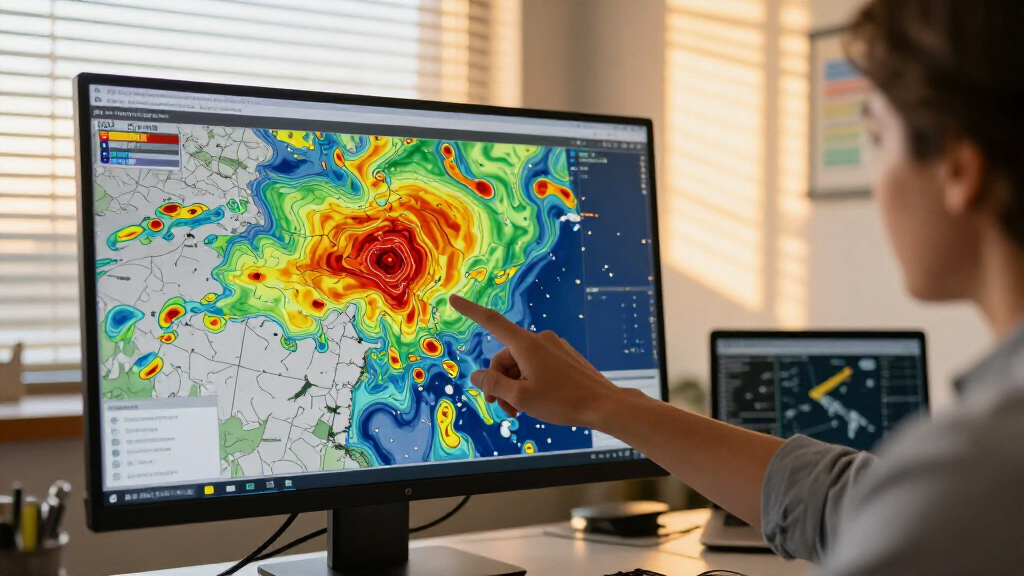
Scientists emphasize that El Niño typically lasts between nine to twelve months, with impacts varying by region. The phenomenon influences weather patterns by altering jet streams and atmospheric circulation, leading to increased chances of drought in some areas and heavy rainfall or flooding in others. The current development is being closely monitored by meteorological agencies worldwide, especially with the El Nino Forecast.
Impacts of El Niño on Global Climate and Society
The confirmation of El Niño’s development matters because it can cause significant weather disruptions globally, affecting agriculture, water supply, and disaster preparedness. Regions such as Australia, Southeast Asia, parts of Africa, and the Americas are expected to experience notable changes, including increased drought risk or heavy storms. Understanding its progression allows governments and communities to prepare for potential crises, making this development highly relevant for public safety and economic stability.
solar pond aerator for water quality
As an affiliate, we earn on qualifying purchases.
As an affiliate, we earn on qualifying purchases.
Recent El Niño Developments and Historical Patterns
El Niño is part of the larger El Niño-Southern Oscillation (ENSO) cycle, which fluctuates between El Niño, La Niña, and neutral phases. Historically, El Niño events have occurred roughly every two to seven years, with varying intensity. The last significant El Niño occurred in 2015-2016, which was associated with severe droughts in some regions and extreme weather events globally. Current oceanic conditions indicate a shift toward an El Niño phase, following a period of neutral or La Niña conditions that persisted in recent years.
Scientists have been tracking sea surface temperatures, atmospheric pressure patterns, and wind anomalies, which collectively suggest the transition into El Niño. The World Meteorological Organization (WMO) and NOAA have issued preliminary forecasts, noting the potential for this event to influence weather over the next several months.
“The sea surface temperature anomalies we are observing meet the criteria for an El Niño event, and we expect it to influence weather patterns globally over the coming months.”
— Dr. Jane Smith, NOAA Climate Scientist
weather alert radio with NOAA
As an affiliate, we earn on qualifying purchases.
As an affiliate, we earn on qualifying purchases.
Uncertainties About El Niño’s Strength and Duration
While the development of El Niño has been confirmed, the exact strength, duration, and regional impacts remain uncertain. Scientists caution that El Niño can vary widely in intensity, and atmospheric responses may differ from past events. Current models suggest a moderate to strong event, but forecasts could change as new data emerge.
Additionally, the timing of peak impacts and the potential for secondary effects, such as changes in monsoon patterns or hurricane activity, are still under study. This uncertainty complicates planning efforts for affected regions.
emergency water storage containers
As an affiliate, we earn on qualifying purchases.
As an affiliate, we earn on qualifying purchases.
Monitoring and Forecast Updates in the Coming Months
Meteorological agencies worldwide will continue monitoring oceanic and atmospheric conditions, providing regular updates on El Niño’s progression. The next quarterly climate outlooks are expected in late 2023 or early 2024, offering more clarity on its potential impacts. Governments and sectors vulnerable to weather disruptions are advised to prepare for a range of scenarios based on evolving forecasts.
rainwater collection system
As an affiliate, we earn on qualifying purchases.
As an affiliate, we earn on qualifying purchases.
Key Questions
What is El Niño and why does it matter?
El Niño is a climate pattern characterized by warming sea surface temperatures in the Pacific Ocean, which can influence weather globally, causing droughts, floods, and temperature shifts. Its development affects agriculture, water resources, and disaster risk management worldwide.
When did El Niño develop this year?
Scientists confirmed that El Niño is developing in late 2023, based on recent ocean temperature measurements meeting the criteria for an El Niño event.
How strong might this El Niño be?
Current forecasts suggest it could develop into a moderate to strong event, but the exact intensity remains uncertain and subject to change as new data become available.
What regions will be most affected?
Regions including Australia, Southeast Asia, parts of Africa, and the Americas are expected to experience significant impacts, such as droughts or heavy rainfall, depending on how the event unfolds.
How long will this El Niño last?
El Niño events typically last between nine and twelve months, but the duration of this particular event is still uncertain and will depend on evolving oceanic and atmospheric conditions.
Source: google-trends