📊 Full opportunity report: What Lifestyle Trends Are Changing How We Tie Drawstrings? on IdeaNavigator AI — validation score, market gap, and execution plan.

Prime made for students and young adults
- Fast, free delivery for dorm and study essentials
- Prime Video and Amazon Music included
- Member-only deals
TL;DR
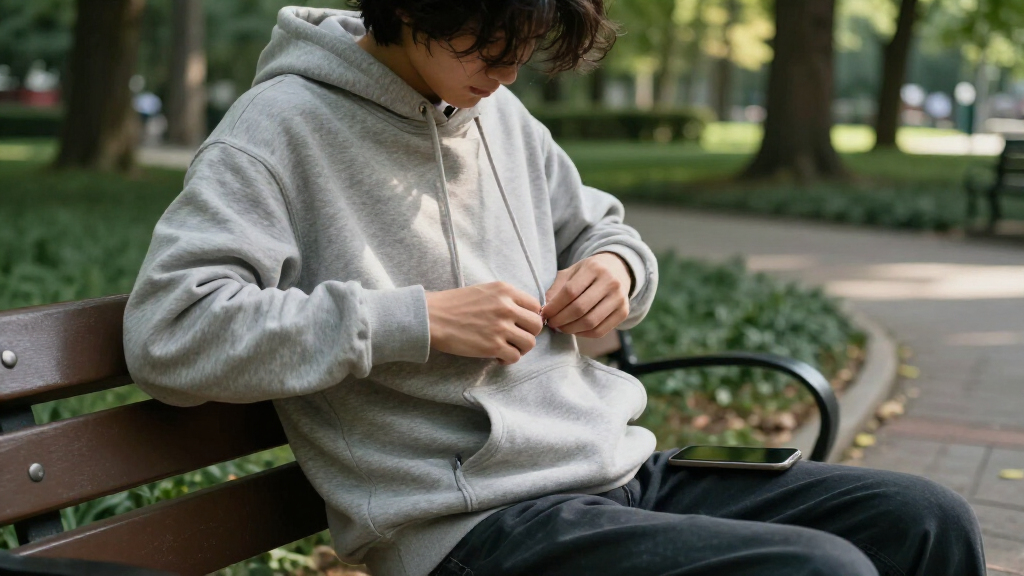
Recent shifts in consumer behavior and cultural trends are leading to new ways of tying drawstrings in clothing. Experts note increased adoption of alternative methods, driven by fitness routines and fashion preferences. The development signals a broader change in casual wear practices.
Recent observations indicate that a variety of new methods for tying drawstrings are gaining popularity among consumers, driven by evolving lifestyle habits and fashion trends. These changes are being tracked through social media, consumer forums, and early product testing, signaling a shift in casual wear practices that could influence apparel design and consumer preferences.
Consumer trends show a growing interest in alternative drawstring tying techniques, such as knot styles that reduce discomfort or improve fit. Experts note that these methods are spreading rapidly via social media platforms like TikTok and Instagram, where users share short videos demonstrating new tying styles.
According to a recent consumer trend monitor, early adopters include fitness enthusiasts and casual wear consumers seeking more secure or aesthetic options. Some brands are experimenting with integrated solutions, such as elastic drawstrings or toggle systems, to complement these new tying methods.
While traditional bow knots remain common, a noticeable shift toward simpler or more secure styles is emerging, reflecting broader lifestyle influences such as increased focus on comfort and convenience. The trend is still in early stages but shows signs of influencing product development and marketing strategies.
Impact of Lifestyle Shifts on Casual Wear Practices
This trend matters because it highlights how consumer behavior and cultural shifts directly influence apparel design and usage. As new methods of tying drawstrings become more popular, brands may need to adapt their products to meet these evolving preferences. It also reflects a broader movement toward personalized, functional, and comfortable clothing, which could reshape casual and athletic wear markets.
Popular right now

Dyson Car+Boat Cordless Handheld Vacuum

iRobot Roomba 105 Robot Vacuum with LiDAR Navigation

Ninja Foodi 6-in-1 DualZone Air Fryer, 8 qt, Grey (DZ201)
As an affiliate, we earn on qualifying purchases.
The development of new drawstring tying methods is part of a larger pattern where social media accelerates the spread of fashion innovations and lifestyle habits. Over the past year, platforms like TikTok and Instagram have served as key channels for sharing quick tutorials and demonstrating new styling techniques, including alternative ways to secure drawstrings.
Historically, clothing adjustments like drawstring tying have been low-profile, but recent viral videos have brought attention to these small but meaningful changes. This shift coincides with increased consumer demand for customizable and functional clothing, particularly in the fitness and casual wear sectors.
Some brands are already responding by testing new drawstring designs that accommodate these preferences, indicating that the trend could influence future product lines significantly.
Extent and Longevity of the Trend
It is still unclear how widespread these new tying methods will become or whether they will lead to long-term changes in apparel design. The trend is emerging through social media and early product testing, but mainstream adoption and industry response remain uncertain.Monitoring Adoption and Industry Response
Further observation over the coming months will clarify whether these new drawstring tying methods become a standard practice or remain niche trends. Apparel brands are expected to experiment with integrated solutions, and consumer feedback will influence whether these methods are adopted widely. Industry analysts will monitor social media, sales data, and product innovations to gauge the trend’s trajectory.
Key Questions
Why are people changing how they tie drawstrings?
People are seeking more comfort, security, and aesthetic appeal in their casual and athletic wear, prompting experimentation with different tying techniques that better suit their lifestyles.
Are brands adopting these new tying methods?
Some brands are testing new designs and solutions that accommodate these preferences, but widespread industry adoption is still in development.
Will this trend affect clothing design in the future?
It is possible, as consumer preferences for functional and customizable clothing could lead to innovations in drawstring systems and overall garment construction.
How is social media influencing this trend?
Social media platforms are crucial in spreading new tying techniques quickly, allowing consumers to share ideas and adopt new styles almost instantaneously.
Is this trend limited to fitness clothing?
No, while initially prominent in fitness and casual wear, the trend could expand into other apparel categories as consumers seek more personalized and functional clothing options.
Source: IdeaNavigator AI