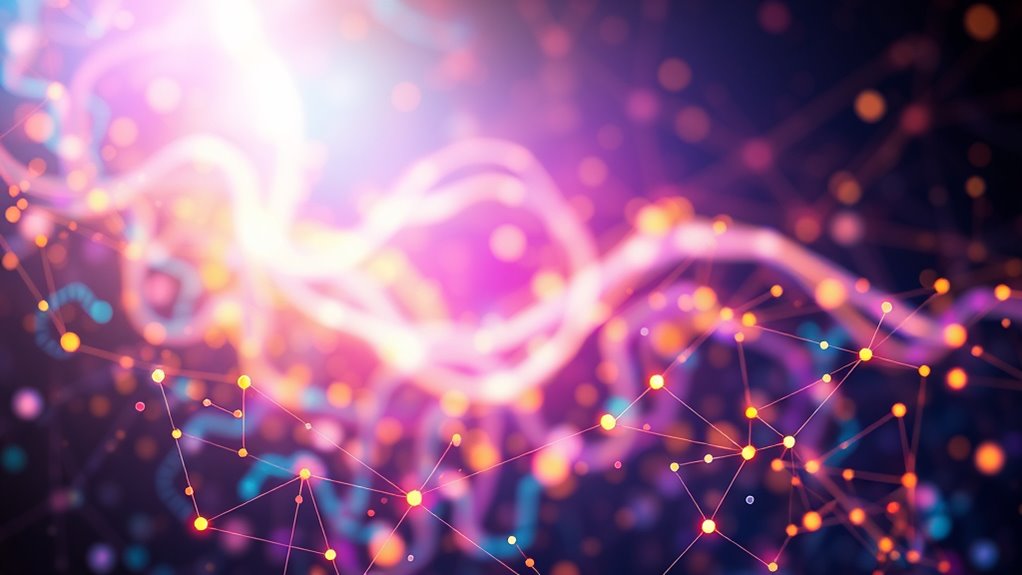

Quantum computing’s revolutionizing how you visualize complex data in art. By harnessing advanced algorithms, you can uncover patterns and narratives that traditional methods can’t capture. This fusion of technology and creativity pushes your artistic boundaries, allowing for experimental expressions that provoke thought. You’ll create unique imagery that doesn’t just tell a story but evokes emotions and sparks conversations. As this field rapidly evolves, there’s so much more to explore in the intersection of quantum computing and art.
Key Takeaways
- Quantum algorithms can analyze vast datasets rapidly, revealing intricate patterns that inspire innovative artistic expressions.
- Artists can create unique visual narratives by interpreting complex data through quantum computing, blending technology and creativity.
- Collaborative projects between artists and quantum systems enable experimentation and selection of elements that resonate with artistic visions.
- Data-driven art serves as a medium for storytelling, encouraging viewers to contemplate the implications of the information presented.
- As quantum technology evolves, it will continue to challenge artistic boundaries, fostering new techniques and perspectives in the art world.
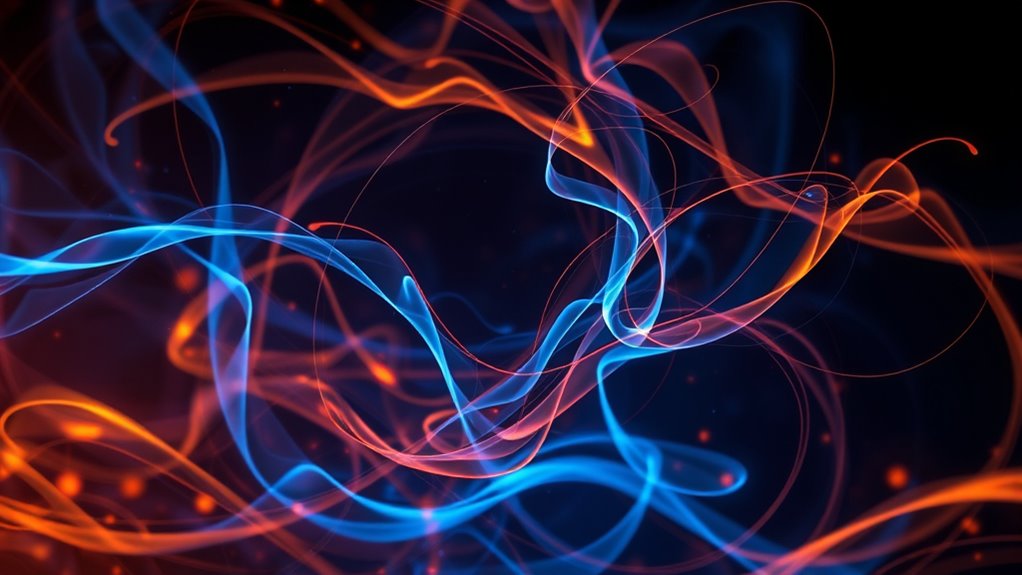
As quantum computing evolves, it’s opening up exciting possibilities in the world of art. You might wonder how this cutting-edge technology can intersect with creativity. The answer lies in quantum algorithms that can process enormous datasets, revealing patterns and insights that traditional computing struggles with. Imagine harnessing this power to inspire your artistic interpretations, pushing boundaries in ways you never thought possible.
Quantum computing is revolutionizing art by enabling artists to explore vast datasets, inspiring innovative interpretations and pushing creative boundaries.
When you plunge into the world of quantum algorithms, you’ll find they can analyze complex data sets at unprecedented speeds. This capability means you can explore vast amounts of information, transforming it into visual language that conveys deeper meanings. For instance, you might input data from climate patterns, social media trends, or even personal experiences, allowing the quantum system to generate unique imagery that reflects these complex narratives. The result is a fusion of technology and art that’s both innovative and thought-provoking.
You can experiment with the outcomes generated by these quantum systems, choosing elements that resonate with your vision. This collaboration between artist and algorithm can lead to stunning creations that challenge conventional aesthetics. By using quantum computing, you’re not just creating art; you’re engaging in a dialogue with the technology, allowing it to inspire your work in unexpected ways.
Moreover, the way you interpret the data isn’t just about aesthetics; it’s about meaning. Each piece you create through quantum algorithms tells a story, offering viewers a glimpse into the complexities of the data behind it. This process encourages you to think critically about the information you’re presenting, inviting others to reflect on the implications of that data. The artistic interpretations that arise can spark conversations, evoke emotions, and inspire action, making your art relevant in today’s data-driven society. Additionally, the unique stain removal properties of quantum computing can lead to breakthroughs in visualizing complex data in ways that enhance clarity and impact.
In this rapidly advancing field, you’ll find that the intersection of quantum computing and art is just beginning. As more artists like you begin to explore these opportunities, the possibilities will expand. You’ll discover new techniques, styles, and narratives that challenge your creativity while also pushing the limits of technology. Embrace this evolution and let it enrich your artistic journey, as quantum computing transforms not only how you create but also how the world perceives art. As you navigate this exciting frontier, remember that your unique perspective is what will ultimately shape the future of art in the quantum age.
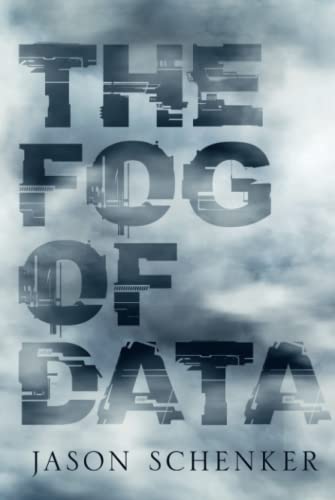
The Fog of Data: Navigating Data to Derive Implications, Unlock Value, Get Buy-In, and Increase Transparency
As an affiliate, we earn on qualifying purchases.
As an affiliate, we earn on qualifying purchases.
Frequently Asked Questions
How Does Quantum Computing Differ From Classical Computing?
Quantum computing differs from classical computing primarily in its ability to leverage data entanglement. While classical computing is bound by limitations in processing power and speed, quantum computing harnesses qubits, allowing for complex calculations and problem-solving at unprecedented rates. You’ll find that quantum systems can operate on multiple states simultaneously, breaking through the classical limitations that hinder efficiency. This revolutionary approach enables you to tackle problems that were previously insurmountable for classical computers.
What Are Some Examples of Quantum Algorithms Used in Art?
You’d be amazed at how quantum algorithms like quantum fractals and entanglement art are reshaping creativity. Quantum fractals generate intricate patterns that can’t be produced classically, while entanglement art visualizes the bizarre connections between particles, creating stunning visuals. These algorithms let artists explore new dimensions of expression, transforming data into mesmerizing images. So, whether you’re a tech enthusiast or an art lover, you’re witnessing a revolutionary blend of science and creativity!
Can Anyone Create Art Using Quantum Computing?
Yes, anyone can create art using quantum computing! By exploring quantum aesthetics and employing artistic quantum algorithms, you can transform complex data into striking visual forms. You don’t need to be a quantum physicist; just a curiosity about how these technologies can blend with creativity. With accessible tools and resources, you can plunge into this unique intersection of art and science, releasing your imagination in ways you never thought possible.
What Software Is Commonly Used for Quantum Art Visualization?
When you explore the domain of quantum art visualization, think of it as painting with light and numbers. Popular software includes Qiskit, which offers tools for quantum visualization, and Processing, where you can craft artistic algorithms that breathe life into complex data. Many artists also explore Blender for 3D visualization and TensorFlow for neural network applications. By using these tools, you’ll transform intricate quantum data into stunning visual experiences.
Are There Any Online Courses for Learning Quantum Computing and Art?
Yes, there are online courses for learning about quantum art! You can explore platforms like Coursera and edX, which offer courses that blend quantum computing principles with artistic visualization techniques. These courses often cover the fundamentals of quantum mechanics and how to apply them creatively. You’ll find interactive projects and community discussions, helping you develop your skills in both quantum computing and art. Immerse yourself and start your journey into quantum art today!
artistic quantum algorithms software
As an affiliate, we earn on qualifying purchases.
As an affiliate, we earn on qualifying purchases.
Conclusion
In the dance between quantum computing and art, you find a kaleidoscope of possibilities, each twist revealing new patterns in complexity. Just as a painter blends colors to evoke emotion, quantum algorithms weave data into vibrant narratives that transcend traditional boundaries. This fusion symbolizes a new dawn, where the abstract and the analytical converge, inviting you to explore domains once thought unattainable. Embrace this revolution, and let your imagination soar amid the quantum canvas.

Quantum Computing: A Gentle Introduction (Scientific and Engineering Computation)
As an affiliate, we earn on qualifying purchases.
As an affiliate, we earn on qualifying purchases.
interactive quantum art displays
As an affiliate, we earn on qualifying purchases.
As an affiliate, we earn on qualifying purchases.