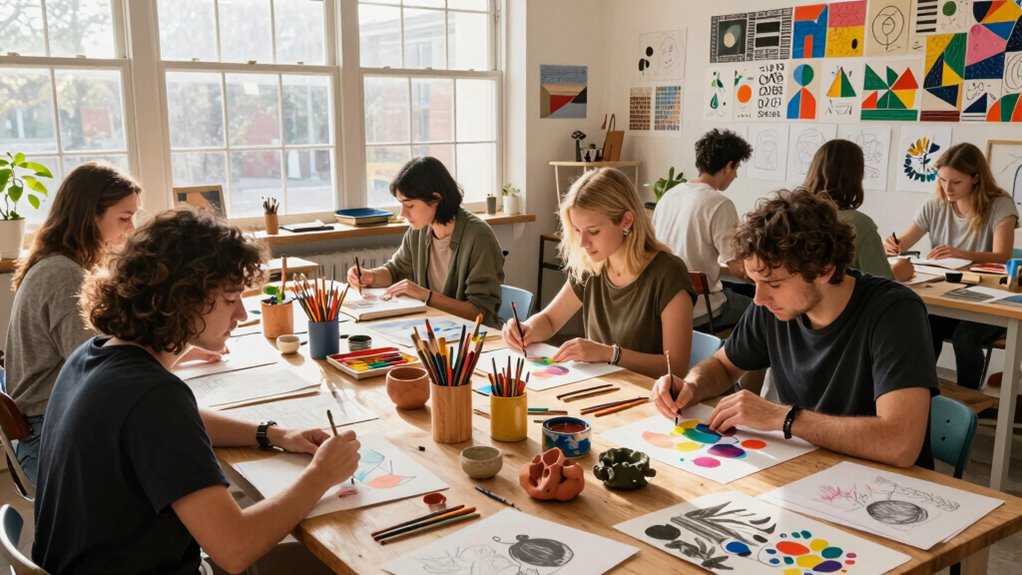

Collaborative creativity often outshines the lone genius myth because it combines diverse ideas, perspectives, and skills, leading to more innovative solutions. While working alone can foster deep focus and breakthrough insights, collaboration encourages constructive conflict and shared effort that push ideas further. However, environment factors and team dynamics can either enhance or hinder this process. To understand how to harness the full potential of teamwork for creative success, keep exploring how balance and effective communication make a difference.
Key Takeaways
- Collaboration combines diverse perspectives, leading to more innovative and well-rounded ideas than lone efforts.
- Team dynamics can enhance motivation and provide critical feedback, improving overall creative outcomes.
- Structured collaboration fosters accountability and accelerates problem-solving compared to solitary work.
- Myths about lone genius overlook the importance of shared knowledge and collective expertise.
- Successful creativity relies on environment quality and effective communication, which are often better in collaborative settings.

Many people believe that collaboration automatically leads to better creative ideas, but this isn’t always the case. While working with others can spark innovation, it also introduces complexities in team dynamics that can hinder the process. When you gather a diverse group, differing opinions, work styles,, and communication patterns can create friction, making it harder to reach consensus or develop ideas efficiently. These issues can act as innovation barriers, slowing down progress rather than accelerating it. It’s easy to assume that more minds mean more inspiration, but if team dynamics aren’t managed well, the result can be confusion, conflict, or even a stifling of individual creativity.
Collaboration can hinder creativity when team dynamics create friction and slow progress.
You might find that, in some cases, a lone thinker dedicates uninterrupted time to deep focus, allowing ideas to mature without interference. This solitude can foster clarity and lead to breakthrough insights that often get lost in group settings. Conversely, in collaborative environments, constant discussions and differing perspectives can dilute individual contributions or cause creative deadlock. It’s essential to recognize that collaboration isn’t a one-size-fits-all solution. Sometimes, it’s the structured, solitary effort that overcomes innovation barriers and breaks through the noise of team dynamics. This can be especially important when trying to develop a clear and refined idea before sharing it with others.
That doesn’t mean collaboration isn’t valuable; it simply means you need to approach it intentionally. Successful collaborative creativity depends on clear communication, shared goals, and a culture that values diverse input without letting conflicts derail progress. When team members understand their roles and contribute constructively, the collective effort can produce ideas far richer than any lone genius could generate alone. But if team dynamics become toxic or if innovation barriers are left unaddressed, collaboration can stall, leading to frustration and subpar results. Incorporating structured approaches to sound therapy science can even help teams improve their communication and emotional resilience, fostering a more productive environment.
The myth that collaboration automatically results in superior ideas ignores these challenges. It’s not just about bringing people together; it’s about creating an environment where diverse perspectives can harmonize rather than clash. Recognizing when to work alone and when to collaborate is key. Sometimes, stepping back and refining your ideas solo helps you prepare a stronger foundation for group input. Additionally, understanding the role of individual focus in the creative process can help balance these dynamics effectively. At other times, pushing through team barriers with effective communication can unlock innovation that wouldn’t emerge in isolation. The truth is, the most successful creative processes often involve a balance—leveraging the strengths of both solitary focus and collaborative synergy.
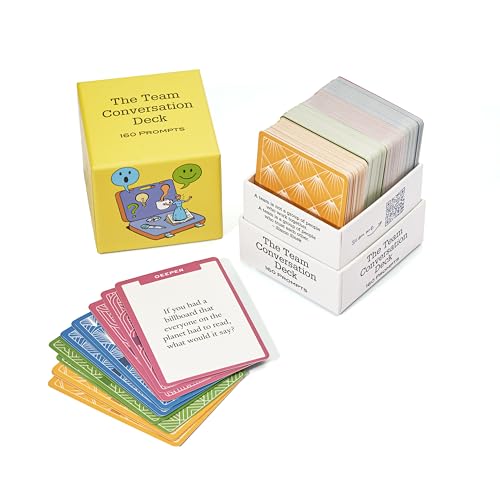
Leader Tools 160 Team Building Cards for Managers – Build Trust & Improve Team Performance – 4 Categories from Light Icebreakers to Strategic Team Questions – for Meetings, 1-on-1s & Team Offsites
100% Work-Safe, Zero Pre-Screening Needed – Every card tested with real teams across all hierarchy levels. No awkward…
As an affiliate, we earn on qualifying purchases.
As an affiliate, we earn on qualifying purchases.
Frequently Asked Questions
How Does Collaboration Enhance Individual Creativity?
Collaboration boosts your individual creativity by exposing you to diverse perspectives, which sparks new ideas. When you participate in individual brainstorming with others, you’re challenged to see problems differently and refine your concepts. The mix of different backgrounds and experiences pushes you beyond your usual thinking, helping you develop innovative solutions. This dynamic environment enhances your creativity, making your ideas richer and more original than if you worked alone.
Can Collaboration Replace Individual Talent Entirely?
Collaboration can’t replace individual talent entirely, but it creates innovative synergy that often leads to collective innovation. You bring unique skills and ideas, while others contribute different perspectives, enhancing the overall outcome. Together, you’re more likely to develop groundbreaking solutions than working alone. So, while individual talent is essential, collaboration amplifies creativity through shared insights, making it a powerful force for innovation.
What Are Common Challenges in Team-Based Creative Projects?
In team-based creative projects, you often face challenges like communication barriers and groupthink pitfalls. These issues can hinder open idea sharing and lead to conformity, stifling innovation. You might struggle with differing opinions or unclear roles, which can slow progress. To overcome this, you need to foster a culture of openness, encourage diverse perspectives, and guarantee clear communication channels, helping your team stay creative and productive.
How Do Cultural Differences Impact Collaborative Creativity?
Cultural differences shape how you approach collaboration, influencing cross-cultural communication and teamwork dynamics. When you embrace diversity-driven innovation, you recognize varied perspectives as strengths, fostering creativity. By actively listening and adapting your communication style, you break down barriers and build trust across cultures. This inclusivity enhances idea generation, encourages innovative solutions, and creates a richer, more dynamic collaborative environment where every voice contributes to the shared success.
What Tools Best Support Creative Teamwork?
You’ll find that tools like digital whiteboards, Slack, and collaborative platforms like Miro foster idea sharing and idea refinement. These tools break down barriers, allowing everyone’s voice to be heard. As you work together, the creative energy surges, transforming individual ideas into innovative solutions. Embrace these tools to unleash your team’s collective genius, proving that collaboration truly sparks more powerful, refined creativity than working alone ever could.

Music Software Bundle for Recording, Editing, Beat Making & Production – DAW, VST Audio Plugins, Sounds for Mac & Windows PC
No Demos, No Subscriptions, it's All Yours for Life. Music Creator has all the tools you need to…
As an affiliate, we earn on qualifying purchases.
As an affiliate, we earn on qualifying purchases.
Conclusion
So, next time you’re tempted to believe in the myth of the lone genius, remember: great ideas aren’t born in isolated bubbles. They’re brewed in a lively, messy, collaborative stew—where everyone adds a pinch of brilliance. Think of it as the ultimate group project, but way more fun and way less stressful. Embrace the chaos, ditch the hero worship, and watch how creativity flourishes when you stop flying solo. After all, genius is best served with a side of teamwork.
![Google Workspace Guide: Unlock Every Google App – Elevate Efficiency with Exclusive Tips, Time-Savers & Step-by-Step Screenshots for Quick Mastery [II EDITION]](https://m.media-amazon.com/images/I/51-eEDJq-XL._SL500_.jpg)
Google Workspace Guide: Unlock Every Google App – Elevate Efficiency with Exclusive Tips, Time-Savers & Step-by-Step Screenshots for Quick Mastery [II EDITION]
As an affiliate, we earn on qualifying purchases.
As an affiliate, we earn on qualifying purchases.

Lecture Notes On Collaborative Software Projects: Practices, Concepts, And Key Events For Designing, Managing, And Prototyping Successful Products
As an affiliate, we earn on qualifying purchases.
As an affiliate, we earn on qualifying purchases.