
TL;DR
Recent discussions highlight that embedding IPv6 zone identifiers in URLs is problematic because current standards and browsers do not support them properly. This creates technical and usability challenges, raising questions about future compatibility.
Experts and developers are warning that including IPv6 zone identifiers, or zones, directly in URLs is a mistake due to technical limitations and current browser support issues, complicating web address handling.
IPv6 addresses can include zone identifiers (also called scope IDs), such as fe80::4%eth0, which specify network interface scope. When used in URLs, these zones require percent-encoding of the ‘%’ character (as %25) to conform with URL standards, but this leads to complex and error-prone implementations.
Current programming languages, frameworks, and browsers largely do not support IPv6 zones in URLs. For example, in Go, attempting to parse a URL with an unencoded zone results in errors, and browsers do not recognize or support zone identifiers in the origin or address fields. This causes issues for applications that rely on embedded IPv6 addresses with zones, especially in local or link-local contexts.
Why It Matters
This issue impacts developers working with IPv6 link-local addresses, especially in network configuration, IoT, and local development environments. The lack of support complicates URL handling, potentially leading to broken links or misrouting. It also raises broader questions about web standards and future compatibility, as IPv6 adoption grows.
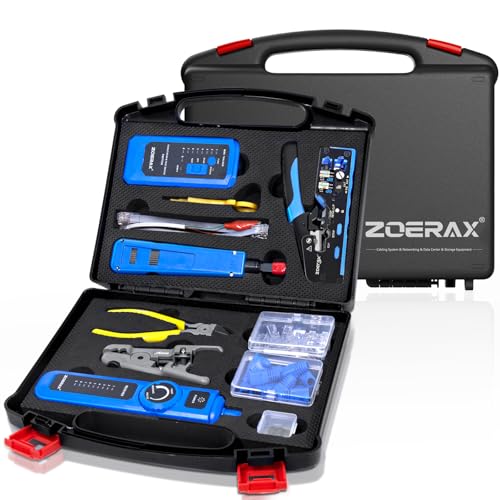
Professional Network Tool Kit, ZOERAX 14 in 1 – RJ45 Crimp Tool, Cat6 Pass Through Connectors and Boots, Cable Tester, Wire Stripper, Ethernet Punch Down Tool
✅【All-in-One Professional Kit with Sturdy Case】This premium network tool kit comes in a lightweight yet heavy-duty case that…
As an affiliate, we earn on qualifying purchases.
As an affiliate, we earn on qualifying purchases.
Background
IPv6 was designed with scope zones to disambiguate addresses on multiple network interfaces. While zones are well-understood in network configuration, their inclusion in URLs introduces complexities. RFC 9844 and RFC 6874 provide guidance on encoding zones, but current implementations and browser standards do not fully support these specifications. This disconnect has led to inconsistent handling across platforms and tools.
“Embedding IPv6 zones in URLs is a technical mistake because browsers and many libraries simply don’t support them properly.”
— Network developer
“Proper handling of IPv6 zones in URLs requires consistent encoding and support, which is currently lacking in most web browsers.”
— RFC author
IPv6 link-local address tester
As an affiliate, we earn on qualifying purchases.
As an affiliate, we earn on qualifying purchases.
What Remains Unclear
It remains unclear whether future browser updates or standard revisions will fully support IPv6 zones in URLs, or if alternative approaches will be adopted to mitigate current issues. The long-term viability of embedding zones in URLs is uncertain.

Ideal Industries R153001 NaviTEK NT Network
Navitek Nt Network Tester Basic Model
As an affiliate, we earn on qualifying purchases.
As an affiliate, we earn on qualifying purchases.
What’s Next
Developers and standards bodies are likely to continue discussions on how to better support IPv6 zones in URLs, possibly leading to new specifications or browser updates. Meanwhile, best practices suggest avoiding embedding zones in URLs to ensure compatibility.
IPv6 address scanner
As an affiliate, we earn on qualifying purchases.
As an affiliate, we earn on qualifying purchases.
Key Questions
Why are IPv6 zones in URLs problematic?
Because current web standards, browsers, and libraries do not support them properly, leading to errors and inconsistent behavior.
Should I include IPv6 zones in my URLs?
No. Due to lack of support, it’s recommended to avoid including zones in URLs to prevent issues.
What is the proper way to handle IPv6 link-local addresses in URLs?
Use percent-encoding for the ‘%’ character (as %25) and be aware that support is limited; testing across platforms is essential.
Will browsers support IPv6 zones in the future?
This is uncertain. Some RFC drafts aim to define support, but widespread browser adoption has not yet occurred.
Are there alternatives to embedding zones in URLs?
Yes. One approach is to avoid including zones altogether and instead specify addresses through other means, such as network configuration or APIs.
Source: Hacker News