Smart bandages are changing the way you manage wounds by using real-time monitoring technologies. They track essential information like temperature, moisture, and pH levels, giving you instant updates on your wound’s status. This means you can catch complications early and improve your healing process. Made from biocompatible materials, they’re safe and comfortable to wear. If you’re curious about the broader implications and future potential of these innovative solutions, there’s even more to discover.

Get school and study supplies delivered free — and shop member deals
- Fast, free delivery on millions of items
- Access to Prime Big Deal Days deals on October 6–7
- Prime Video, Amazon Music and more included
Key Takeaways
- Smart bandages integrate sensors to monitor wound temperature, moisture, and pH levels in real-time.
- They provide instant updates on wound status, minimizing the need for follow-up visits.
- Wireless technology enables seamless data transmission to healthcare providers for timely interventions.
- Biocompatible materials ensure safety and comfort while minimizing the risk of skin irritation or infections.
- Smart bandages empower patients by facilitating active participation in their healing process and enhancing communication with healthcare teams.
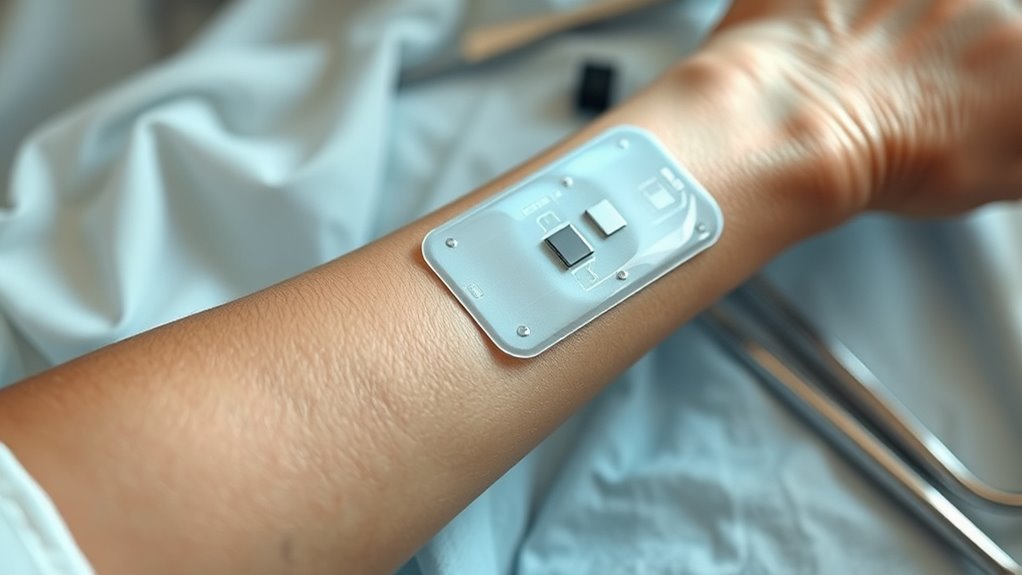
Have you ever wondered how technology could revolutionize wound care? Imagine a world where a simple bandage not only protects your wound but also monitors its healing process in real-time. With the advent of smart bandages, this futuristic scenario is becoming a reality. These innovative tools harness the power of wireless sensors and biocompatible materials to transform how we approach wound management.
When you think about traditional bandages, you probably picture a basic piece of fabric that holds a dressing in place. However, smart bandages take this concept much further. They’re embedded with wireless sensors that continuously collect data about your wound’s condition. You might be asking yourself, “How does this help me?” Well, these sensors can track various factors such as temperature, moisture levels, and pH, providing invaluable insights into the healing process. Instead of waiting for a follow-up appointment, you can receive instant updates, allowing for timely interventions if complications arise.
The use of biocompatible materials in smart bandages is another game-changer. Unlike traditional materials that can irritate your skin or impede healing, biocompatible materials are designed to work harmoniously with your body. They minimize the risk of allergic reactions or infections, ensuring that your wound is not only protected but also nurtured. When you wear a smart bandage, you can rest assured that it’s made from materials that prioritize your health and comfort.
As you consider the implications of smart bandages, think about how they could change patient care dramatically. For healthcare providers, these advanced bandages can streamline treatment plans, allowing for more personalized care based on real-time data. If your wound shows signs of infection early on, your doctor can adjust your treatment immediately, potentially saving you from more severe complications. This proactive approach can lead to shorter recovery times and improve overall patient outcomes.
Moreover, smart bandages could empower you as a patient. With access to your wound data, you can take an active role in your healing process. You’ll be able to communicate better with your healthcare team and make informed decisions about your care. In a world where technology is increasingly integrated into healthcare, smart bandages represent a significant step forward, making wound care more efficient, effective, and patient-centered. Furthermore, these innovations in wound care echo trends seen in other fields, such as grocery savings strategies, which emphasize the importance of proactive management for better outcomes. So, next time you find yourself with a wound, imagine the possibilities a smart bandage could bring to your recovery journey.
As an affiliate, we earn on qualifying purchases.
Frequently Asked Questions
How Do Smart Bandages Communicate With Healthcare Providers?
Smart bandages communicate with healthcare providers through wireless communication, transmitting real-time data about your wound’s condition. These devices monitor factors like moisture and infection, sending alerts directly to your provider’s system. To guarantee data security, they often use encryption and secure channels, protecting your sensitive information. With this technology, you can receive timely interventions, improving your healing process and keeping healthcare professionals informed of your progress without needing frequent in-person visits.
Can Smart Bandages Be Reused or Are They Single-Use Only?
Smart bandages are typically single-use due to reusability concerns. Think of them as delicate flowers meant to bloom once; once they’ve served their purpose, they can’t thrive again. While some may hope to reuse them, proper sterilization protocols are complex and essential. Attempting to clean and reuse could compromise their effectiveness and safety. For maximum healing, it’s best to embrace new bandages designed to monitor your wound’s condition efficiently.
What Types of Wounds Can Smart Bandages Treat Effectively?
Smart bandages can effectively treat various types of wounds, including surgical incisions, burns, diabetic ulcers, and pressure sores. They support wound healing processes by monitoring moisture levels and detecting infections, which helps you manage your wounds more efficiently. With their ability to provide real-time data, you can make informed decisions about your care, ensuring that your wounds heal properly and reduce the risk of complications.
Are Smart Bandages Waterproof and How Do They Handle Moisture?
You’ll be pleased to know that smart bandages often come with a waterproof design, keeping your wounds protected from water and other external moisture. They excel in moisture management, allowing for a breathable environment that promotes healing while preventing excess dampness. This thoughtful construction guarantees you can go about your day without worrying about your bandage falling apart. So, embrace the comfort of knowing your wound is well taken care of!
What Are the Costs Associated With Using Smart Bandages?
The costs associated with using smart bandages can vary widely. You’ll find that manufacturing costs are typically higher than traditional bandages, which can impact your out-of-pocket expenses. However, some insurance coverage might help offset these costs, depending on your policy. It is crucial to check with your provider about reimbursement options. Overall, while smart bandages may be pricier upfront, their benefits could lead to long-term savings in wound care.
As an affiliate, we earn on qualifying purchases.
Conclusion
Smart bandages are revolutionizing wound care by providing real-time monitoring that enhances healing and reduces complications. Imagine this: studies show that patients using smart bandages experience a 30% faster healing rate compared to traditional methods. This technology not only offers convenience but also empowers both patients and healthcare providers with essential information at their fingertips. As smart bandages continue to evolve, they promise to transform how we approach wound management and improve overall patient outcomes.
As an affiliate, we earn on qualifying purchases.
As an affiliate, we earn on qualifying purchases.
Halloween Picks
halloween
As an affiliate, we earn on qualifying purchases.