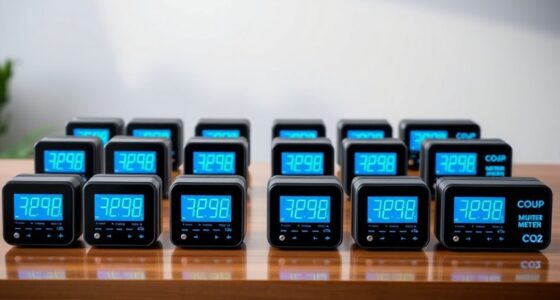

Science kits designed for adults differ from kids’ STEM toys mainly in build complexity, depth of explanation, and durability of finished models — and that’s where most buyers get tripped up, since many products marketed to adults are really repackaged children’s sets. After comparing seven popular options, the V8 Engine Model Kit stands out as the best overall pick for adults thanks to its genuinely demanding assembly and a finished motor you can actually watch run. The eUda+ Tesla Coil Kit is the standout for anyone who wants a dramatic electrical-engineering payoff, while the LINKTOR 444-Piece Chemistry Model Kit offers the deepest learning value for self-study in chemistry. The main tradeoff in this category is between hands-on building satisfaction (robotic arms, engines, coils) and pure conceptual learning (molecular model sets) — few kits deliver both. Keep reading for the full breakdown of where each option excels and who should skip it.

Prime made for students and young adults
- Fast, free delivery for dorm and study essentials
- Prime Video and Amazon Music included
- Member-only deals
Key Takeaways
- This lineup split into two distinct camps — construction kits (V8 engine, robotic arm, Tesla coil) that reward hands-on builders, and molecular model sets (LINKTOR, Swpeet, Educational Molecule) that reward conceptual learners — and almost none crossed over well.
- The V8 Engine Model Kit ranked highest because it’s the only option with a functional payoff after hours of assembly, something adult hobbyists consistently value more than display-only builds.
- Piece count in chemistry kits correlated poorly with learning value: the LINKTOR 444-piece set outperformed both Swpeet kits not just on volume but on inorganic coverage and instruction quality.
- The two Swpeet kits differed mainly in scale, with the 115-piece version making sense only as a budget or travel option — its smaller atom selection limits organic chemistry coursework beyond intro level.
- The eUda+ Tesla Coil carried the steepest learning curve and genuine safety considerations, making it the most adult-appropriate kit here but the worst choice for a casual weekend project.
| LINKTOR Chemistry Molecular Model Kit (444 Pieces) |  | Best Overall | Pieces: 444 | Atoms: 136 | Bonds: 158 | VIEW LATEST PRICE | See Our Full Breakdown |
| V8 Engine Model Kit – Build Your Own Mini Visible Car Motor |  | Best for Mechanical Engineering Curiosity | Pieces: 703 | Material: ABS (non-toxic) | Recommended Age: 14+ | VIEW LATEST PRICE | See Our Full Breakdown |
| Swpeet 179-Piece Organic Chemistry Molecular Model Kit |  | Best Value | Total Pieces: 179 | Atoms: 76 | Links: 102 | VIEW LATEST PRICE | See Our Full Breakdown |
| VANLINNY Robotic Arm Kit – DIY 4 DOF Building Set |  | Best for Robotics and Coding | Degrees of Freedom: 4 DOF | Control Range: 30-50 meters | Material: ABS and aluminum alloy | VIEW LATEST PRICE | See Our Full Breakdown |
| Educational Molecule Model Kit with Guide & STEM Learning Cards |  | Best for Guided Beginners | Includes: Color-coded atoms, flexible bonds, learning cards, guide | Suitable For: Kids, teens, and adults | Learning Levels: Beginner to advanced | VIEW LATEST PRICE | See Our Full Breakdown |
| eUda+ STEM Tesla Lightning Kit for Kids & Adults |  | Best Hands-On Electronics Pick | Brand: eUda+ | Kit Type: Tesla coil assembly STEM kit | Assembly: DIY build with included tools and components | VIEW LATEST PRICE | See Our Full Breakdown |
| Swpeet 115 Pcs Organic Chemistry Molecular Model Kit |  | Best Budget Molecular Model Set | Brand: Swpeet | Piece Count: 115 pieces | Includes: Atoms, bonds, short link remover, storage box | VIEW LATEST PRICE | See Our Full Breakdown |
| science educational kits for adult | Includes |
|---|---|
| LINKTOR Chemistry Molecular Mo | — |
| V8 Engine Model Kit | Instruction manual, USB charging cable |
| Swpeet 179-Piece Organic Chemi | Link remover tool, storage box |
| VANLINNY Robotic Arm Kit | — |
| Educational Molecule Model Kit | Color-coded atoms, flexible bonds, learning cards, guide |
| eUda+ STEM Tesla Lightning Kit | — |
| Swpeet 115 Pcs Organic Chemist | Atoms, bonds, short link remover, storage box |
More Details on Our Top Picks
LINKTOR Chemistry Molecular Model Kit (444 Pieces)
Of the three molecular model kits in this roundup, the LINKTOR 444-piece set stands out for its sheer depth. With 136 atoms, 158 bonds, and 150 additional parts, it supports both ball-and-stick and space-filling model styles, which matters because advanced learners need to visualize van der Waals radii, not just bond angles. Compared with the Swpeet 179-piece kit, this one covers a much wider range of structures, stretching from grade 7 through graduate-level coursework — meaning a buyer won’t outgrow it after one semester. The tradeoff is weight of choice: beginners may feel overwhelmed sorting through hundreds of parts, and building complex structures takes real time. For an adult returning to chemistry or studying for a professional exam, that investment pays off.
Pros:- Huge 444-piece inventory supports graduate-level structures
- Includes both ball-and-stick and space-filling modeling styles
- Durable parts disassemble cleanly for repeated builds
- Grows with the learner from grade 7 to graduate level
Cons:- Assembly of complex molecules is time-consuming
- Too complex for beginners or young users to manage alone
Best for: Adult learners in college-level or continuing-education chemistry who want one kit that lasts from intro courses through advanced study
Not ideal for: Casual hobbyists wanting a quick, low-commitment build — the part count and sorting time exceed what light exploration needs
- Pieces:444
- Atoms:136
- Bonds:158
- Additional Parts:150
- Model Styles:Ball-and-stick and space-filling
- Suitable For:Grade 7 to Graduate
Our verdict“The most complete molecular kit here, and the right call for any adult serious about long-term chemistry study.”
V8 Engine Model Kit – Build Your Own Mini Visible Car Motor
This is the pick for adults whose interest in science runs toward mechanical engineering rather than chemistry. With 703 pieces and a transparent cylinder head revealing moving pistons, it turns an abstract concept — internal combustion — into something you can watch happen. The USB-powered motor means the finished model actually runs, which the VANLINNY robotic arm kit also achieves but through programming rather than mechanics. Building it demands patience: this is a multi-session project, and that’s the point. Compared with the molecular kits in this lineup, the payoff here is a display piece you’ll keep on a shelf, not a tool you’ll rebuild weekly. The narrow focus is the tradeoff — once it’s built, the learning curve flattens unless you dig into the engineering principles independently.
Pros:- 703-piece build creates a genuinely detailed working replica
- Transparent housing shows piston movement in action
- USB-rechargeable motor animates the finished model
- Safe, non-toxic ABS construction
Cons:- Assembly is time-consuming and demanding for a single outcome
- Limited replay value once the build is complete
Best for: Adults who love long-form building projects and want to understand how engines physically work
Not ideal for: Buyers seeking reusable learning tools — this is a one-build model with limited repeat educational value
- Pieces:703
- Material:ABS (non-toxic)
- Recommended Age:14+
- Power:USB-charged motor
- Features:Transparent cylinder head, simulated piston movement
- Includes:Instruction manual, USB charging cable
Our verdict“A rewarding weekend-plus project for mechanically curious adults who want a working engine on their desk.”
Swpeet 179-Piece Organic Chemistry Molecular Model Kit
The Swpeet 179-piece kit hits a sensible middle ground in this roundup’s chemistry lineup. It covers the fundamentals — alkanes, alcohols, acids — with 76 atoms and 102 links, plus a link remover tool and storage box that pricier sets sometimes skip. Compared with the LINKTOR 444-piece kit, you give up part count and the space-filling modeling style, but for most adult learners refreshing chemistry or supporting a single course, that’s capacity you’d never touch. The larger 23mm atom sizes actually make structures easier to read at a glance than smaller competing parts. The compromises are real, though: the plastic links can crack if forced, and very complex molecules simply can’t be built with this inventory. If the Swpeet 115-piece version feels too thin, this is the budget-conscious step up.
Pros:- Includes link remover tool and storage box at a low price
- Large 23mm atoms make structures easy to read
- Color-coded parts speed up builds
- Handles both organic and inorganic basics
Cons:- Plastic parts can break if mishandled
- Insufficient inventory for advanced or large molecules
Best for: Budget-minded adults taking a single chemistry course or refreshing foundational knowledge without overspending
Not ideal for: Advanced students planning multi-semester study — the piece count limits which molecules can be built
- Total Pieces:179
- Atoms:76
- Links:102
- Atom Sizes:Hydrogen 17mm, other atoms 23mm
- Material:PP, LDPE, ABS
- Includes:Link remover tool, storage box
- Box Dimensions:23.5 x 17 x 3.5 cm
Our verdict“The smart spend for adults who need solid chemistry fundamentals without paying for graduate-level capacity.”
VANLINNY Robotic Arm Kit – DIY 4 DOF Building Set
Where the V8 engine kit teaches mechanics through hardware, the VANLINNY robotic arm teaches systems thinking through programming and control. Its 4 degrees of freedom let it grip and manipulate objects, and the 30-50 meter remote range supports real maneuvering experiments — this is the only kit in the lineup that combines a robotic car and arm in one build. For an adult exploring robotics before committing to Arduino or Raspberry Pi projects, it’s a low-stakes entry point with everything included: tools, charger, and controller. The catch is depth. The programming interface is beginner-oriented, so experienced coders will hit its ceiling quickly, and the build itself skews toward younger builders in difficulty. Think of it as a gateway, not a destination.
Pros:- Combines robotic car and arm in a single versatile kit
- Programming control builds genuine coding skills
- ABS and aluminum alloy construction feels durable
- All accessories included, so no hidden purchases
Cons:- Requires some assembly and programming knowledge out of the box
- Beginner-focused software limits growth for advanced users
Best for: Adults and teens new to robotics who want a complete, guided first project in programming-controlled machines
Not ideal for: Experienced makers — the beginner-level programming and 4 DOF limits will feel restrictive fast
- Degrees of Freedom:4 DOF
- Control Range:30-50 meters
- Material:ABS and aluminum alloy
- Battery:Built-in rechargeable
- Included:USB charging cable, assembly tools, remote control
- Type:Robotic car + robotic arm combo
Our verdict“The best on-ramp to robotics for adults who want hands-on coding experience without sourcing components.”
Educational Molecule Model Kit with Guide & STEM Learning Cards
What separates this kit from the LINKTOR and Swpeet chemistry sets is structure: it ships with learning cards and a guide that walk you through builds with progressive difficulty. For an adult with zero chemistry background, that scaffolding matters more than raw piece count — the other kits assume you already know what a molecule should look like. Color-coded atoms and flexible bonds keep early builds forgiving, and the stated range from beginner to advanced levels means there’s room to improve before upgrading. The honest limitation is ceiling: anyone past introductory chemistry will find the content thin compared with the 444-piece LINKTOR’s graduate-level capacity. It’s the right first step, not the whole staircase — buy it to learn the language, then move on.
Pros:- Structured learning cards provide a genuine curriculum
- Progressive difficulty supports skill building
- Color-coded atoms make concepts intuitive
- Works across beginner to moderately advanced levels
Cons:- Too simple for advanced or college-level chemistry students
- Unclear piece count makes planning larger builds difficult
Best for: Adults starting from zero chemistry knowledge who want guided lessons rather than an open box of parts
Not ideal for: Students in formal chemistry courses — the content depth trails well behind dedicated model sets
- Includes:Color-coded atoms, flexible bonds, learning cards, guide
- Suitable For:Kids, teens, and adults
- Learning Levels:Beginner to advanced
- Format:Guided STEM learning cards
- Application:Home or classroom educational activity
- Model Type:3D molecular construction
Our verdict“The friendliest entry point into chemistry for self-teaching adults who need lessons, not just parts.”
eUda+ STEM Tesla Lightning Kit for Kids & Adults
Most kits in this roundup ask you to assemble something and admire it; this one asks you to understand circuitry well enough to make lightning dance. The eUda+ Tesla coil build stands apart from mechanical options like the V8 Engine Model Kit because the payoff is electrical, not just visual — you get arcs, lights, sound, and a spinning prize wheel driven by components you wired yourself. The included video tutorial lowers the barrier for adults who never took an electronics class, which matters more here than raw piece count. The tradeoff is ceiling: compared with the VANLINNY Robotic Arm Kit, which offers programmable movement and remote control, this kit’s component set stays basic, so experienced hobbyists may finish hungry for more. Still, for a first real encounter with electronics, the payoff-per-dollar is hard to beat.
Pros:- Working Tesla coil produces visible arcs, making abstract electronics concepts tangible
- Video tutorials make assembly approachable for complete beginners
- Real electronic components teach genuine circuit-building skills, not just snap-together assembly
- Interactive prize wheel with lights and sound adds a playful reward to the learning
Cons:- Component set is basic and won’t challenge experienced electronics hobbyists
- Requires mains-adjacent electrical work, so supervision and caution are non-negotiable
Best for: Adults and teens new to electronics who want a dramatic, functional build rather than another model to shelf
Not ideal for: Advanced hobbyists who already solder and breadboard — the component variety is too elementary to sustain interest
- Brand:eUda+
- Kit Type:Tesla coil assembly STEM kit
- Assembly:DIY build with included tools and components
- Guidance:Step-by-step video tutorial
- Interactive Features:Prize wheel with lights and sound
- Educational Focus:Problem solving, electronics, STEM learning
- Skill Level:Beginner to intermediate
Our verdict“Buy this if you want your first electronics project to literally spark; skip it if you already know your way around a breadboard.”
Swpeet 115 Pcs Organic Chemistry Molecular Model Kit
Not every chemistry learner needs a 444-piece arsenal. This 115-piece Swpeet set carves out its niche as the affordable entry point against its bigger sibling, the Swpeet 179-Piece kit, and the LINKTOR 444-Piece set — and for visualizing core organic structures like alkanes, alkenes, and ring systems, it does the job without the bulk or price. Compared with the Educational Molecule Model Kit with STEM learning cards, this one lacks structured guidance, which is the real tradeoff: it assumes you already have a textbook or course providing the chemistry. Pieces assemble and pull apart smoothly thanks to the included link remover, and the storage box keeps the set pocket-friendly for a backpack. The plastic construction is serviceable but will show wear after heavy semester-long use, so heavy users should step up to the larger kits.
Pros:- Affordable entry point for molecular visualization without overspending on pieces you may never use
- Handles both organic and inorganic structures, covering typical first-year chemistry needs
- Pieces connect and disconnect smoothly, with a link remover that saves your fingertips
- Compact storage box makes it genuinely portable for library and lab sessions
Cons:- No instructional guide included, so it depends entirely on your own course materials
- Plastic atoms and bonds can loosen or wear with repeated heavy use
Best for: College students and self-learners on a budget who need to visualize molecular geometry for a single course
Not ideal for: Learners who want guided instruction — there’s no detailed manual, so it’s useless without external coursework
- Brand:Swpeet
- Piece Count:115 pieces
- Includes:Atoms, bonds, short link remover, storage box
- Materials:Food-grade green plastic, PP, LDPE, and ABS plastic
- Coverage:Organic and inorganic chemistry
- Skill Level:High school and university students
- Instructional Guide:Not included
Our verdict“A sensible budget pick for one chemistry course; choose the larger Swpeet or LINKTOR sets if you’ll build complex structures for years.”

How We Picked
I evaluated each kit through the specific lens of an adult buyer: intellectual depth, build challenge appropriate for grown-ups, instruction quality, and what you’re left with after the build ends. A kids’ kit can coast on bright colors and short attention-span-friendly projects, but adults generally want to finish a build having actually learned a mechanism, a reaction type, or an engineering principle they didn’t know before. That meant instruction booklets were weighted heavily — vague diagrams or childish copy counted against a product even when the hardware itself was decent.
The second tier of criteria covered part quality, durability, safety, and price-to-learning ratio. Molecular sets were judged on atom variety, bond flexibility, and whether they could model real coursework structures rather than just water and methane. Construction kits were judged on assembly time, mechanical or electrical payoff, and whether the finished product justified the effort. This is why the rankings favor the V8 engine and LINKTOR chemistry set at the top: both deliver disproportionate learning per dollar, while the smaller Swpeet set and the kid-leaning robotic arm sit lower for adult-specific use despite being perfectly fine products on their own terms.
| science educational kits for adult | Includes |
|---|---|
| LINKTOR Chemistry Molecular Mo | — |
| V8 Engine Model Kit | Instruction manual, USB charging cable |
| Swpeet 179-Piece Organic Chemi | Link remover tool, storage box |
| VANLINNY Robotic Arm Kit | — |
| Educational Molecule Model Kit | Color-coded atoms, flexible bonds, learning cards, guide |
| eUda+ STEM Tesla Lightning Kit | — |
| Swpeet 115 Pcs Organic Chemist | Atoms, bonds, short link remover, storage box |
Factors to Consider When Choosing Science Educational Kits For Adults
Before settling on a specific kit, it helps to understand what actually separates a satisfying adult science purchase from a disappointing one. These are the factors I’d weigh before clicking buy.Learning Style: Builder vs. Conceptual Learner
The single biggest mistake adults make is buying a kit format that doesn’t match how they learn. If you absorb concepts by manipulating physical structures — snapping together molecules, rotating bonds, seeing stereochemistry in your hands — a molecular model set will teach you more in an afternoon than a textbook chapter. If you learn through process and mechanism, a build-it-yourself engine or Tesla coil forces you to understand each component because the thing simply won’t work otherwise. Ask yourself which failure mode you’d regret more: a beautiful model sitting unused after one weekend, or a chemistry set gathering dust because flashcards felt like homework. Adults who underestimate their own patience end up with half-built kits in a closet more often than any other outcome. Be honest about whether you want a three-hour project or a three-week one.
Instruction Depth and Who Actually Wrote It
Many adult-marketed kits ship with instructions translated from another language and dumbed down from an earlier kids’ version, which ruins the learning value even when the parts are good. Before buying, check whether the kit includes an actual explanatory guide — reaction mechanisms, engineering principles, or theory — rather than just assembly steps. The difference between “attach part A to part B” and “this valve opens because of pressure differential” is the difference between a toy and an education. Kits aimed at university students (like full chemistry model sets) tend to have the most rigorous supporting material, while general-audience building kits vary wildly. A lower-priced kit with excellent documentation often beats a pricier one with a thin pamphlet. If the listing shows only glamour photos of the finished product and no screenshots of the manual, treat that as a warning sign.
Expandability and Room to Grow
A common regret with smaller kits is outgrowing them within a month, especially with molecular model sets. A 115-piece chemistry kit can handle intro-level structures, but the moment you want to model benzene derivatives, coordination complexes, or polymers, you’ll hit a wall on atom counts. The same logic applies to building kits: a fixed-configuration robotic arm teaches its four degrees of freedom and then has little left to give, whereas a Tesla coil involves electronics principles you can revisit with modifications. My general advice is to buy one tier larger than your current need if the price jump is modest, because the marginal cost of extra pieces is far lower than buying a second kit later. The exception is genuinely casual buyers who know they’ll build once and shelve it — for them, expandability is wasted money.
Safety Profile and Workspace Requirements
Adult kits occasionally involve real hazards that kids’ sets avoid, and this deserves more attention than most buyers give it. A Tesla coil involves high-voltage output and soldering, which means ventilation, a heat-safe surface, and ideally some basic electronics familiarity before you start. Engine model kits use small springs and moving metal parts that can pinch or launch across a room during assembly. Even molecular sets pose a choking hazard around children or pets, and cheaper plastics can have strong odors out of the box. Match the kit to your actual workspace — a shared apartment kitchen table is not the place for a soldering project. If you’re gifting to an older adult or someone with reduced dexterity, note that tiny molecular bonds and small screws become genuine frustration points rather than minor inconveniences.
Price-to-Learning Ratio vs. Price-to-Fun Ratio
These two metrics pull in different directions and conflating them is why so many reviews feel contradictory. A budget molecular model set has an outstanding price-to-learning ratio — twenty dollars of plastic that can carry you through a semester of organic chemistry — but almost zero entertainment value. A robotic arm or engine kit delivers hours of engaging assembly, but the durable knowledge gained per dollar is lower. Neither is the wrong purchase; the wrong purchase is expecting one to deliver the other. Set your expectation before buying: if you’re preparing for a course or exam, optimize for learning density. If you’re decompressing after work and want a screen-free hobby, optimize for build enjoyment. Adults who buy the cheap chemistry set hoping for a fun weekend routinely leave disappointed one-star reviews that say more about the mismatch than the product.
Frequently Asked Questions
Are these kits genuinely suitable for adults, or are they just kids’ toys with different marketing?
It’s a fair concern because the answer varies dramatically across this lineup. The V8 engine kit and Tesla coil are legitimately adult-oriented: they demand multi-hour assembly, fine motor control, and enough patience that most children would abandon them. The molecular model sets sit in a middle zone — the hardware is identical to what university students use, so the “adult” suitability comes from how you apply it to real coursework rather than the product itself. The robotic arm is the most kid-leaning option here, and adults may find its build too simple. My rule of thumb: if the product listing emphasizes ages 8+ prominently, an experienced adult hobbyist will likely finish it in a single evening and want more.
Which kit should I buy if I’m studying chemistry at college level?
The LINKTOR 444-piece set is the clear choice for serious coursework because it covers both organic and inorganic structures, meaning you can model coordination complexes and geometry beyond carbon chains. The Swpeet 179-piece kit is a workable second choice if budget is tight, but its narrower atom selection will limit you in second-semester material. The 115-piece Swpeet set is really only appropriate for a first introduction to bonding — fine for high school, frustrating for college. Skip the building kits entirely for exam prep; they’re wonderful for curiosity but teach zero testable chemistry. If you’re pre-med or in a degree program, treat the extra twenty dollars for the larger set as cheap insurance against outgrowing it mid-semester.
Is the Tesla coil kit safe to build and operate at home?
It’s safe if you respect what it is, but it’s the one kit in this lineup with real precautions. The assembly version involves soldering, so you need a ventilated workspace, a soldering iron, and basic comfort with electronics tools — factor that equipment into the total cost if you don’t own it. Once operational, the coil produces high-voltage, low-current arcs that can give an unpleasant (though generally not dangerous) shock and can interfere with nearby electronics, including pacemakers, so anyone with a cardiac device should not operate one. Keep it away from pets and curious household members during demonstrations. If you’ve never soldered before, practice on a cheap beginner electronics kit first rather than making this your first project.
How long does each type of kit take to complete, and can they be rebuilt?
Build times vary more than most buyers expect. A small molecular set is essentially instant — 15 minutes to unbox and assemble your first structures, with the set living on your desk for ongoing study rather than being “completed” at all. The V8 engine kit typically runs 3 to 5 hours of careful assembly, and it’s the most re-buildable option since the whole point is watching the mechanism run afterward. The robotic arm lands around 2 to 3 hours, while the Tesla coil varies widely depending on your soldering speed — anywhere from 2 to 6 hours. Molecular and mechanical kits can be disassembled and rebuilt indefinitely; the Tesla coil is more of a one-time assembly that becomes a demonstration device. Plan your first session with good lighting and no time pressure, because rushing small mechanical assemblies is how parts get lost.
What should I do if pieces are missing or the instructions are unclear?
Missing pieces are the most common complaint across this entire category, since these kits ship with dozens to hundreds of small components packed by hand. Before starting any build, inventory every bag against the parts list — discovering a missing screw at hour four is far worse than discovering it at minute five. Most of these brands respond well to replacement requests through the seller, and chemistry kit atoms are usually standardized enough that parts from one brand can substitute for another. For unclear instructions, YouTube build-along videos exist for nearly all of these popular kits and often clarify steps better than the printed manuals. Keep a small container or magnetic tray for tiny parts during assembly, and work over a table rather than a couch, because springs and small atoms disappear into upholstery permanently.
Conclusion
The right pick here depends almost entirely on what kind of adult learner you are. For the best overall experience, the V8 Engine Model Kit delivers the rare combination of genuine build challenge, visible mechanical payoff, and replay value — it’s the pick I’d point most buyers toward. The best value goes to the LINKTOR 444-piece chemistry set, which packs more durable learning per dollar than anything else in this lineup. If money is less of a constraint and you want the most premium, most adult-serious project, the eUda+ Tesla Coil Kit rewards the effort with a genuinely impressive electrical demonstration — just bring your own soldering iron and patience. For beginners or gift recipients, the VANLINNY Robotic Arm is the gentlest entry point, though experienced builders will outgrow it quickly. Students on a strict budget should grab the Swpeet 115-piece set for a first taste of molecular modeling, while the Swpeet 179-piece version and the Educational Molecule kit fill narrower middle-ground niches. Whatever you choose, match the kit to your learning style first and your budget second — that single decision predicts satisfaction more than any spec sheet.
Columbus Day / Indigenous Peoples' Day Picks
long weekend sales
As an affiliate, we earn on qualifying purchases.