Searching for the best programming books in 2026? Whether you’re just starting out, aiming to deepen your expertise, or exploring new languages, choosing the right book can make all the difference. The overall best pick offers a comprehensive foundation, while options like Fluent Python excel for advanced Python programmers, and the System Design Interview guides those preparing for tech interviews. Each book balances clarity, depth, and practical insight, but tradeoffs exist—such as depth versus accessibility or language focus versus general software principles. Keep reading for a detailed breakdown to help you make an informed choice tailored to your goals.

Prime made for students and young adults
- Fast, free delivery for dorm and study essentials
- Prime Video and Amazon Music included
- Member-only deals
Key Takeaways
- The top books blend theoretical fundamentals with practical project-based learning, catering to different experience levels.
- Language-specific titles like Python and C++ dominate, but comprehensive guides on software craftsmanship remain highly valuable.
- Books for interview prep tend to focus more on system design and problem-solving strategies, not language syntax.
- Price and depth vary widely; premium titles offer extensive content but may be overwhelming for beginners.
- Most highly rated books balance clarity with technical rigor, emphasizing writing clean, effective code.
| Beginner’s Step-by-Step Coding Course: Learn Computer Programming the Easy Way |  | Best for Absolute Beginners | Target Audience: Beginners with no prior programming experience | Format: Text-based, step-by-step instructions | Content Coverage: Basic programming concepts and fundamental skills | VIEW LATEST PRICE | See Our Full Breakdown |
| Fluent Python: Clear, Concise, and Effective Programming |  | Best for Experienced Python Developers | Intended Audience: Experienced Python programmers | Content Focus: Advanced Python features and best practices | Coverage Depth: Deep dive into language idioms and efficiencies | VIEW LATEST PRICE | See Our Full Breakdown |
| Python Crash Course, 3rd Edition: A Hands-On, Project-Based Introduction to Programming |  | Best for Beginners Who Learn by Doing | Target Audience: Beginners and novice programmers | Learning Approach: Project-based, hands-on | Content Coverage: Python fundamentals with practical projects | VIEW LATEST PRICE | See Our Full Breakdown |
| C++ Programming Language |  | Best Comprehensive C++ Guide | Target Audience: Intermediate to advanced programmers | Content Scope: Fundamental and advanced C++ topics | Practice Material: Examples and exercises included | VIEW LATEST PRICE | See Our Full Breakdown |
| System Design Interview – An Insider’s Guide: Volume 2 |  | Best for Interview Preparation | Target Audience: Software engineers preparing for system design interviews | Content Focus: Practical strategies and real-world examples | Resources: Limited information, no online materials | VIEW LATEST PRICE | See Our Full Breakdown |
| The Art of Computer Programming, Volumes 1-4B, Boxed Set |  | Best Comprehensive Reference for Algorithms | Volumes Included: Volumes 1 through 4B | Author: Donald Knuth | Format: Boxed set | VIEW LATEST PRICE | See Our Full Breakdown |
| The Self-Taught Programmer: The Definitive Guide to Programming Professionally |  | Best for Aspiring Self-Learners | Author: Cory Althoff | Focus: Self-taught programming and career advice | Pages: Approx. 300 pages | VIEW LATEST PRICE | See Our Full Breakdown |
| Python Programming for Beginners: The Complete Guide to Mastering Python in 7 Days with Hands-On Exercises |  | Best Practical Python Intro for New Learners | Language: English | Focus: Python basics and practical exercises | Duration Promised: Mastery in 7 days | VIEW LATEST PRICE | See Our Full Breakdown |
| Code Complete |  | Best Practical Guide for Software Development | Author: Steve McConnell | Focus: Software construction and best practices | Pages: over 900 | VIEW LATEST PRICE | See Our Full Breakdown |
| The Pragmatic Programmer: Your Journey To Mastery, 20th Anniversary Edition |  | Best for Developers Seeking Practical Wisdom | Author: Andrew Hunt and David Thomas | Edition: 20th Anniversary | Focus: Best practices and professional growth | VIEW LATEST PRICE | See Our Full Breakdown |
| C Programming: A Modern Approach |  | Best Comprehensive Guide for Modern C Programming | Author: K. N. King | Pages: 976 | Publication Year: 2008 | VIEW LATEST PRICE | See Our Full Breakdown |
| Clean Code: A Handbook of Agile Software Craftsmanship |  | Best Guide for Writing Maintainable, High-Quality Code | Author: Robert C. Martin | Pages: 464 | Publication Year: 2008 | VIEW LATEST PRICE | See Our Full Breakdown |
| The Rust Programming Language, 3rd Edition |  | Best All-in-One Rust Introduction for Beginners and Pros | Author: Steve Klabnik and Carol Nichols | Pages: 550 | Publication Year: 2019 | VIEW LATEST PRICE | See Our Full Breakdown |
| C Programming Language | 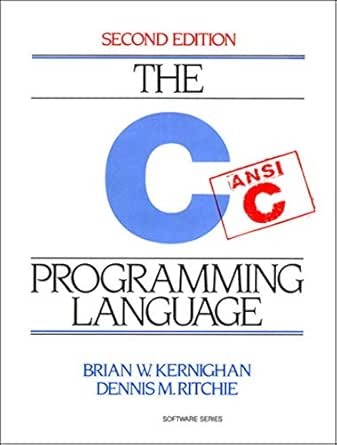 | Best Classic for Fundamentals and Reference | Author: Brian W. Kernighan and Dennis M. Ritchie | Pages: 288 | Publication Year: 1988 | VIEW LATEST PRICE | See Our Full Breakdown |
| Code: The Hidden Language of Computer Hardware and Software |  | Best for Deep Hardware and Software Concepts | Author: Charles Petzold | Pages: 560 | Publication Year: 1999 | VIEW LATEST PRICE | See Our Full Breakdown |
| programming book | Format | Author | Pages |
|---|---|---|---|
| Beginner’s Step-by-Step Coding | Text-based, step-by-step instructions | — | — |
| Fluent Python: Clear | In-depth technical explanations | — | — |
| Python Crash Course | Project-driven, instructional | — | — |
| C++ Programming Language | Textual reference with code samples | — | — |
| System Design Interview | — | — | — |
| The Art of Computer Programmin | Boxed set | Donald Knuth | — |
| The Self-Taught Programmer: Th | Print book | Cory Althoff | Approx. 300 pages |
| Python Programming for Beginne | Print and digital | — | Approx. 200 |
| Code Complete | — | Steve McConnell | over 900 |
| The Pragmatic Programmer: Your | Andrew Hunt and David Thomas | Approximately 350 | |
| C Programming: A Modern Approa | Paperback | K. N. King | 976 |
| Clean Code: A Handbook of Agil | Hardcover | Robert C. Martin | 464 |
| The Rust Programming Language | Paperback | Steve Klabnik and Carol Nichols | 550 |
| C Programming Language | Paperback | Brian W. Kernighan and Dennis M. Ritchie | 288 |
| Code: The Hidden Language of C | Paperback | Charles Petzold | 560 |
More Details on Our Top Picks
Beginner’s Step-by-Step Coding Course: Learn Computer Programming the Easy Way
This course stands out for its straightforward, step-by-step approach tailored specifically to newcomers. Unlike Python Crash Course, which offers hands-on projects, this option emphasizes foundational concepts with simple explanations, making it ideal for those just starting out. However, it doesn’t delve into advanced topics or interactive elements, which might leave learners wanting more depth as they progress. Its comprehensive introduction helps build confidence, but the lack of supplemental online resources could be a drawback for self-starters seeking extra practice. Best for those new to programming who need a gentle, guided start without the complexity of more detailed books.
Pros:- Easy-to-follow instructions tailored for absolute beginners
- Provides a gentle, comprehensive introduction to programming fundamentals
- Builds confidence with clear explanations and step-by-step guidance
Cons:- Lacks coverage of advanced topics for more experienced learners
- No interactive components or online resources for practice
Best for: Complete beginners with little to no prior coding experience who need a clear, guided introduction
Not ideal for: Intermediate or advanced learners seeking in-depth coverage or interactive learning tools
- Target Audience:Beginners with no prior programming experience
- Format:Text-based, step-by-step instructions
- Content Coverage:Basic programming concepts and fundamental skills
- Supplemental Resources:None
- Difficulty Level:Beginner
- Interactivity:None
Our verdict“This book is perfect for complete newcomers who want a simple, structured start to coding without the complexity of more advanced materials.”
Fluent Python: Clear, Concise, and Effective Programming
Compared with Python Crash Course, which offers a beginner-friendly, hands-on introduction, Fluent Python targets those already familiar with the basics and looking to write more idiomatic, efficient code. Its in-depth exploration of advanced features like decorators, generators, and context managers makes it a valuable resource for seasoned Python programmers. The tradeoff is that it’s less accessible for newcomers, who may find the material dense and challenging. This book excels at refining the skills of experienced developers, but beginners should seek a more introductory resource first. Best suited for programmers who want to elevate their Python mastery beyond the basics.
Pros:- Extensive coverage of Python’s advanced features and best practices
- Focuses on writing clear, efficient, and Pythonic code
- Highly detailed explanations suitable for experienced programmers
Cons:- Challenging for beginners unfamiliar with core Python concepts
- Assumes prior knowledge, lacking beginner-friendly explanations
Best for: Intermediate to advanced Python programmers aiming to optimize and write clean code
Not ideal for: Beginners or those new to programming who need a gentle introduction to Python
- Intended Audience:Experienced Python programmers
- Content Focus:Advanced Python features and best practices
- Coverage Depth:Deep dive into language idioms and efficiencies
- Prerequisites:Basic Python knowledge required
- Format:In-depth technical explanations
- Additional Resources:None
Our verdict“This book is ideal for experienced Python developers seeking to deepen their understanding and improve code quality but not for newcomers just learning the language.”
Python Crash Course, 3rd Edition: A Hands-On, Project-Based Introduction to Programming
This book offers a practical, project-based path into Python, making it a strong alternative to Beginner’s Step-by-Step Coding Course. It combines fundamental concepts with engaging projects, which helps reinforce learning through application. Unlike Fluent Python, which targets seasoned developers, this book is tailored for newcomers who prefer building things as they learn. Its lack of detailed explanations for more complex topics may leave readers wanting more depth later on, and it offers no online resources for extended practice. Nonetheless, its hands-on approach makes it easier for learners to see results quickly. Best for beginners who thrive on practical projects and immediate application.
Pros:- Hands-on, project-driven learning approach
- Ideal for beginners who prefer learning by doing
- Covers core Python fundamentals comprehensively
Cons:- Limited explanations for advanced topics
- No mention of online resources for extended practice
Best for: Beginners interested in learning Python through projects and real-world examples
Not ideal for: Those seeking in-depth theoretical knowledge or advanced Python topics
- Target Audience:Beginners and novice programmers
- Learning Approach:Project-based, hands-on
- Content Coverage:Python fundamentals with practical projects
- Resources:No online supplementary materials
- Difficulty Level:Beginner
- Format:Project-driven, instructional
Our verdict“This book is perfect for beginners eager to learn Python through practical projects rather than theory alone.”
C++ Programming Language
This book provides a broad and detailed overview of C++, comparable in depth to The Art of Computer Programming but focused specifically on C++. It covers both fundamental and advanced topics, making it suitable for learners at various levels. Its practical examples and exercises are invaluable for solidifying understanding, yet the lack of clear edition or publication details could be a concern for those seeking the most current information. Compared to specialized C programming books like C Programming: A Modern Approach, this text offers a more extensive treatment of C++, though it might be overwhelming for absolute beginners. Best for learners who want a thorough, all-in-one C++ resource.
Pros:- Comprehensive coverage of C++ concepts and features
- Includes practical examples and exercises for hands-on learning
- Suitable for learners and experienced programmers alike
Cons:- Lack of specific edition or publication details may affect currency
- Potentially overwhelming for absolute beginners due to depth
Best for: Intermediate to advanced programmers aiming for an in-depth understanding of C++
Not ideal for: Complete beginners who need a more introductory, simplified guide
- Target Audience:Intermediate to advanced programmers
- Content Scope:Fundamental and advanced C++ topics
- Practice Material:Examples and exercises included
- Edition Details:Not specified
- Format:Textual reference with code samples
- Focus Area:C++ language features and application
Our verdict“This book is best suited for those who want a detailed, all-encompassing reference to C++ programming, whether for learning or review.”
System Design Interview – An Insider’s Guide: Volume 2
This guide offers practical insights into system design interviews, similar in purpose to The Pragmatic Programmer but with a specific focus on interview strategies. It provides real-world examples and structured approaches to tackling system design questions, making it a valuable resource for software engineers preparing for technical interviews. While it lacks detailed product specs and edition information, its focus on practical tips makes it stand out from more general programming books like Code Complete. The absence of online resources or updated editions could be a limitation for some learners. Nonetheless, for candidates aiming to succeed in high-stakes interviews, this book offers clear, actionable advice. Best for software engineers preparing for system design interviews or technical assessments.
Pros:- Provides practical, actionable strategies for system design questions
- Includes real-world examples to illustrate key concepts
- Focused tightly on interview success, not just theory
Cons:- Limited product details, lacking edition or publisher info
- No online resources or supplementary materials mentioned
Best for: Software engineers and developers preparing for system design interviews or technical assessments
Not ideal for: Beginners or those seeking broad programming knowledge without interview focus
- Target Audience:Software engineers preparing for system design interviews
- Content Focus:Practical strategies and real-world examples
- Resources:Limited information, no online materials
- Edition:Not specified
- Focus Area:System design interview techniques
- Approach:Practical tips and case studies
Our verdict“This book is ideal for professionals focusing on mastering system design interview skills rather than general programming knowledge.”
The Art of Computer Programming, Volumes 1-4B, Boxed Set
This extensive boxed set by Donald Knuth stands out as the definitive resource for understanding algorithms and foundational programming techniques. Compared with books like Code Complete, which focus more on coding practices, this set dives deep into theoretical concepts, making it ideal for those seeking mastery over algorithm design. The main tradeoff is its complexity; it’s too dense for beginners and may overwhelm casual readers. Its comprehensive nature makes it invaluable for graduate-level students, researchers, or serious developers aiming for a deep understanding of core concepts. While the set is hefty and costly, the depth of knowledge it offers is unmatched for those committed to mastering the fundamentals.
Pros:- Extensive coverage of algorithms and programming techniques
- Authored by the renowned Donald Knuth, ensuring authoritative content
- Includes multiple volumes, providing a comprehensive learning resource
Cons:- Very technical, not suitable for beginners
- Heavy and bulky to handle and store
- High price point may be prohibitive for casual learners
Best for: Advanced students, researchers, and professional developers seeking an in-depth understanding of algorithms and programming theory.
Not ideal for: Beginners or developers looking for practical, step-by-step coding guidance, as the material is highly technical and dense.
- Volumes Included:Volumes 1 through 4B
- Author:Donald Knuth
- Format:Boxed set
- Focus:Algorithms and programming techniques
- Difficulty:Advanced
- Page Count:Over 3000 pages
Our verdict“This boxed set is best for experienced programmers or academics who want an authoritative, in-depth exploration of algorithms and theory.”
The Self-Taught Programmer: The Definitive Guide to Programming Professionally
This book offers a clear roadmap for those learning programming independently, covering core concepts, best practices, and career advice. Unlike Code Complete, which is more focused on seasoned developers, this guide is tailored for newcomers aiming to build a solid foundation. It emphasizes practical skills and professional habits, making it ideal for self-motivated learners. However, the lack of detailed specifications or technical depth means it may not satisfy those seeking an in-depth technical manual. This book is best suited for beginners or self-taught programmers who need structured guidance and career insights to navigate their learning journey.
Pros:- Provides a comprehensive overview for self-learners
- Covers essential programming concepts clearly
- Includes valuable career and industry advice
Cons:- Lacks detailed technical specifications or deep dives
- No customer ratings available for validation
- Some may find it too basic after initial learning
Best for: Aspiring programmers self-studying without formal education, seeking practical guidance and career advice.
Not ideal for: Experienced developers looking for advanced technical content or specialized topics, as the book focuses on fundamentals.
- Author:Cory Althoff
- Focus:Self-taught programming and career advice
- Pages:Approx. 300 pages
- Level:Beginner to intermediate
- Format:Print book
- Language:English
Our verdict“This guide is ideal for beginners or self-taught programmers seeking a practical, comprehensive introduction and career guidance.”
Python Programming for Beginners: The Complete Guide to Mastering Python in 7 Days with Hands-On Exercises
This book targets absolute beginners eager to learn Python quickly through hands-on exercises, making it a practical choice for fast learners. Compared to Fluent Python, which emphasizes writing concise, idiomatic code for more experienced programmers, this guide simplifies concepts and emphasizes practical implementation. Its focus on exercises helps solidify understanding rapidly, but the promotional tone of the title might set unrealistic expectations about mastery in just a week. This makes it ideal for newcomers eager for quick results, but less suited for those wanting a deeper, more comprehensive Python education or a slower-paced approach.
Pros:- Beginner-friendly with clear explanations
- Includes practical exercises for effective learning
- Provides useful coding tips that can boost early career prospects
Cons:- Title may be somewhat promotional, promising quick mastery
- Lacks depth for those seeking advanced Python topics
- No detailed technical specifications provided
Best for: Complete beginners who want a fast, practical introduction to Python with immediate hands-on practice.
Not ideal for: Intermediate or advanced programmers seeking in-depth Python features or detailed language nuances, as the book emphasizes basic concepts and quick learning.
- Language:English
- Focus:Python basics and practical exercises
- Duration Promised:Mastery in 7 days
- Format:Print and digital
- Level:Beginner
- Pages:Approx. 200
Our verdict“Perfect for absolute beginners wanting a quick, practical start with Python through hands-on exercises.”
Code Complete
Code Complete remains a staple reference for improving software craftsmanship, covering coding practices, debugging, and construction techniques. Compared to The Pragmatic Programmer, which offers broad industry insights, Code Complete provides more detailed guidelines on writing maintainable code and managing development processes. Its broad scope makes it suitable for both newcomers and seasoned developers, but its generality means it may lack the specific, up-to-date insights found in newer publications. This book is especially valuable for those looking to instill disciplined coding habits and improve overall software quality, despite the absence of recent edition details or supplementary materials.
Pros:- Extensive coverage of coding and debugging practices
- Widely respected and highly regarded in the programming community
- Suitable for beginners and experienced developers alike
Cons:- No specific edition or recent updates mentioned
- Lacks detailed specifications or supplementary online resources
- Some content may feel generic or less relevant to modern development tools
Best for: Developers at all experience levels seeking a solid, practical foundation in coding best practices and software construction.
Not ideal for: Readers expecting cutting-edge trends or the latest tools, as the content leans toward timeless principles and methods.
- Author:Steve McConnell
- Focus:Software construction and best practices
- Pages:over 900
- Edition:Standard
- Publication Year:2004
- Suitable For:Beginners and experienced programmers
Our verdict“This book is well-suited for developers seeking a comprehensive, practical guide to writing reliable, maintainable code.”
The Pragmatic Programmer: Your Journey To Mastery, 20th Anniversary Edition
This anniversary edition of The Pragmatic Programmer offers timeless advice on best practices, craftsmanship, and professional growth, making it useful across various experience levels. Unlike books that focus solely on coding syntax, this pick emphasizes pragmatic approaches to problem-solving, project management, and career development. It may feel dense for absolute beginners, who might struggle with the breadth of topics or industry jargon, but experienced developers will find valuable insights to refine their skills. Compared with Code Complete, which is more about coding practices, this book covers a broader spectrum of software development philosophies, making it a versatile resource for ongoing mastery.
Pros:- Offers comprehensive guidance on development practices and professional growth
- Provides valuable insights from industry experts
- Suitable for programmers at various experience levels
Cons:- No specific new features or updates beyond the 20th anniversary edition
- May be dense or abstract for true beginners
- Lacks detailed, language-specific technical instructions
Best for: Developers at all levels looking to deepen their understanding of best practices and professional growth in software development.
Not ideal for: Absolute newcomers or those seeking a quick, syntax-focused Python or coding tutorial, as the content assumes some experience and familiarity with industry concepts.
- Author:Andrew Hunt and David Thomas
- Edition:20th Anniversary
- Focus:Best practices and professional growth
- Pages:Approximately 350
- Language:English
- Format:Print
Our verdict“Ideal for programmers seeking a broad, insightful guide to software craftsmanship and career mastery, regardless of experience level.”
C Programming: A Modern Approach
This book stands out for its thorough coverage of C language fundamentals, making it ideal for learners who want a structured, modern approach. Unlike The C Programming Language, which is more concise and somewhat dated, this book offers detailed explanations suited for those seeking depth. Its practical examples help translate theory into real-world coding, but the lack of multimedia resources might challenge absolute beginners who prefer interactive learning. Compared to other books, it balances clarity with breadth, though it can feel dense for new programmers just starting out. If you want a solid foundation in C with an emphasis on clarity and modern practices, this is the choice.
Pros:- Extensive coverage of C programming concepts
- Clear explanations suitable for learners
- Includes practical examples for real-world application
Cons:- No additional multimedia resources
- Can be dense for complete beginners
Best for: Students and developers seeking a comprehensive, modern introduction to C programming
Not ideal for: Absolute beginners who prefer multimedia or interactive tutorials, due to its density and lack of supplementary resources
- Author:K. N. King
- Pages:976
- Publication Year:2008
- Format:Paperback
- Level:Intermediate to Advanced
- Languages:English
Our verdict“This book is best for learners aiming for a deep, modern understanding of C, though it may be overwhelming for absolute newcomers.”
Clean Code: A Handbook of Agile Software Craftsmanship
Compared with Code: The Hidden Language of Computer Hardware and Software, which explores low-level concepts, Clean Code focuses on the craft of writing good software. It excels at distilling complex principles into actionable practices, making it highly relevant for developers who want to improve code quality and readability. However, its focus on principles rather than specific languages or frameworks might make it less immediately applicable for those working with niche technologies. Its density can also challenge beginners, but seasoned developers will find it a goldmine of insights. If your goal is to boost code clarity and craftsmanship, this book delivers impactful guidance.
Pros:- Comprehensive guide to clean, maintainable code
- Highly regarded within the software community
- Provides practical principles for everyday coding
Cons:- May be dense for beginners
- Focuses more on principles than specific technologies
Best for: Experienced developers aiming to improve their coding practices and craftsmanship
Not ideal for: Beginners or those looking for language-specific tutorials, due to its focus on principles over specific technologies
- Author:Robert C. Martin
- Pages:464
- Publication Year:2008
- Format:Hardcover
- Level:Intermediate to Advanced
- Languages:English
Our verdict“This book is ideal for developers committed to refining their coding habits and producing sustainable, high-quality software.”
The Rust Programming Language, 3rd Edition
This book makes the most sense for programmers wanting to learn Rust from scratch or deepen their understanding, thanks to its comprehensive coverage and practical exercises. Unlike Code: The Hidden Language of Computer Hardware and Software, which explores hardware-level concepts, this book focuses on language syntax, safety features, and practical application. Its inclusion of exercises helps solidify Rust’s core concepts, but the lack of online resources might be a drawback for learners who prefer interactive content. For those comfortable with dense material, it offers a deep dive into Rust’s unique features, making it suitable for both beginners and experienced developers seeking a new language.
Pros:- Comprehensive coverage of Rust features
- Practical examples and exercises
- Suitable for both beginners and experienced developers
Cons:- No accompanying online resources
- May be dense for complete newcomers
Best for: Beginners and experienced programmers eager to explore Rust in depth
Not ideal for: Complete newcomers without programming experience, due to its density and lack of online support
- Author:Steve Klabnik and Carol Nichols
- Pages:550
- Publication Year:2019
- Format:Paperback
- Level:Beginner to Intermediate
- Languages:English
Our verdict“This book is perfect for those looking for a thorough, practical introduction to Rust, regardless of prior experience.”
C Programming Language
This book remains the definitive guide for understanding C, especially compared with C Programming: A Modern Approach, which offers a more modern take. Its concise, authoritative style makes it ideal for both beginners and experienced programmers seeking a reference. However, the lack of modern programming features and updates limits its use for advanced topics or modern coding practices. It’s a classic that covers foundational syntax and concepts effectively, but those wanting to learn the latest standards or more contemporary practices might find it somewhat outdated. If you prefer a compact, authoritative guide, this book fits the bill.
Pros:- Authoritative and comprehensive on C fundamentals
- Widely regarded as the classic guide
- Suitable for quick reference and learning
Cons:- Lacks coverage of modern programming features
- May be outdated for some advanced topics
Best for: Beginners and experienced programmers seeking a classic, authoritative reference for C fundamentals
Not ideal for: Developers seeking coverage of modern C standards or advanced features, due to its age and scope
- Author:Brian W. Kernighan and Dennis M. Ritchie
- Pages:288
- Publication Year:1988
- Format:Paperback
- Level:Beginner to Advanced
- Languages:English
Our verdict“This book is best for those who want a reliable, classic reference to C programming fundamentals, but not for cutting-edge or modern features.”
Code: The Hidden Language of Computer Hardware and Software
This book offers deep insights into how computers work, making it ideal for readers interested in the low-level workings of hardware and software. Unlike Clean Code, which targets software craftsmanship, this title explores the foundational concepts behind digital systems, making complex topics accessible through clear explanations. Its lack of detailed specifications or supplementary materials might limit its usefulness for practical coding, but it excels at providing a conceptual framework that demystifies the ‘hidden language’ of computing. If you aim to understand the core principles that power modern technology, this book makes complex ideas approachable without overwhelming with technical minutiae.
Pros:- Deep insights into computer hardware and software
- Accessible explanations of complex topics
- Suitable for learners with curiosity about computing fundamentals
Cons:- Lacks detailed specifications or practical exercises
- Limited supplementary materials
Best for: Readers interested in the fundamentals of hardware and software at a conceptual level
Not ideal for: Those seeking practical coding tutorials or detailed technical specifications
- Author:Charles Petzold
- Pages:560
- Publication Year:1999
- Format:Paperback
- Level:Intermediate
- Languages:English
Our verdict“This book is well-suited for readers who want a conceptual understanding of how computers work at a fundamental level, not for hands-on coding practice.”

How We Picked
These books were selected based on their relevance, popularity, and reputation within the programming community. We evaluated each title on criteria such as clarity of explanation, depth of content, practicality, and suitability for different skill levels. To ensure a balanced perspective, we included books covering multiple programming languages, paradigms, and career stages. The ranking prioritizes books that provide real value, whether through comprehensive coverage, hands-on exercises, or insights into professional development, helping readers find resources that grow with their skills.Factors to Consider When Choosing Best Programming Books
Choosing the right programming book depends on your current skill level, learning style, and specific goals. Not all books are created equal—some focus on fundamental concepts, while others dive deep into language-specific details or software architecture. Consider how much time you can dedicate, whether you prefer hands-on projects or theoretical reading, and if you need a book for quick learning or long-term reference. The following factors will help you identify the best fit for your needs, avoiding common pitfalls like choosing books that are too advanced or too superficial.Skill Level and Content Depth
Determine whether you’re a beginner, intermediate, or advanced programmer. Beginners should look for books that start with fundamental concepts and avoid titles that assume prior knowledge. Conversely, experienced coders might prioritize books that offer in-depth insights or cover niche topics. Matching the book’s complexity to your current skills prevents frustration and accelerates learning.
Language and Paradigm Focus
Decide if you want to specialize in a specific language like Python, C++, or Rust, or if you prefer a language-agnostic approach. Language-specific books are more targeted but can become outdated quickly if the language evolves. General programming books on software principles provide broader skills applicable across languages, which can be more versatile for long-term growth.
Learning Style and Format
Consider whether you learn best through hands-on exercises, theoretical reading, or visual explanations. Some books incorporate projects and problem-solving to reinforce concepts, while others focus on detailed explanations and diagrams. Selecting a format that matches your preferred learning approach leads to more effective retention and engagement.
Practical Use Versus Theoretical Depth
Balance your desire for practical skills with theoretical understanding. Books like Code Complete emphasize best practices and code quality, ideal for improving craftsmanship. Others, like The Art of Computer Programming, delve into deep algorithms and mathematics, suited for those seeking comprehensive mastery. Clarify your goals to pick the most relevant resource.
Price and Accessibility
Premium titles often contain extensive content and are well worth the investment for serious learners, but beginners might prefer more affordable, concise options. Look for editions with supplemental materials, online resources, or community support. Also, consider whether a physical copy or e-book aligns better with your reading habits and budget.
Frequently Asked Questions
Should I buy a language-specific book or a general programming book?
If you have a clear interest in mastering a particular language, a language-specific book will offer targeted guidance and detailed syntax. However, if you’re exploring multiple languages or want to develop a broader understanding of programming principles, a general book on software development or algorithms may serve you better. Balancing both strategies over time can provide a solid foundation and flexibility in your coding journey.
Are expensive programming books worth the cost?
Higher-priced books often contain more comprehensive content, detailed examples, and supplementary resources, making them valuable for dedicated learners or professionals. However, many affordable titles effectively cover essential concepts for beginners. Consider your goals, budget, and whether the book’s depth aligns with your needs before investing in premium options.
Can I learn programming effectively from online tutorials instead of books?
Online tutorials offer interactive, up-to-date content and can complement books well. However, books provide structured, in-depth coverage that often builds foundational knowledge systematically. Combining both approaches—using books for core concepts and tutorials for practice—can enhance your learning experience and solidify understanding.
How do I choose the right book for interview preparation?
Look for books that focus on system design, problem-solving strategies, and coding interview questions. Titles like System Design Interview – An Insider’s Guide emphasize practical scenarios and frameworks, helping you develop a structured approach. Avoid books that are too theoretical or overly focused on language syntax, as interview success relies more on problem-solving skills than language specifics.
Should I prioritize recent editions or classic titles?
Recent editions tend to include updated content, language features, and current industry practices, making them more relevant. Nonetheless, classic titles like The Pragmatic Programmer remain valuable for their timeless principles and foundational insights. Consider your immediate learning goals—if staying current is important, choose the latest editions, but don’t overlook influential classics that continue to offer guidance.
Conclusion
For newcomers eager to learn programming basics, Python Crash Course offers a practical, hands-on introduction. More experienced developers aiming to deepen their expertise should consider Fluent Python or The Pragmatic Programmer for advanced insights and best practices. Those preparing for technical interviews might find System Design Interview essential. If budget is a concern, many affordable titles provide excellent value, while professionals seeking comprehensive coverage should invest in premium books like The Art of Computer Programming. Ultimately, choosing the right book depends on your current skill level, goals, and preferred learning style—this guide helps you match these factors to the best resources available in 2026.
As an affiliate, we earn on qualifying purchases.Columbus Day / Indigenous Peoples' Day Picks
long weekend sales