

Searching for the best physics reference textbooks can be overwhelming with so many options ranging from quick guides to comprehensive textbooks. The top pick for overall value is Physics for Scientists and Engineers with Modern Physics, offering a balanced mix of depth and clarity. For quick lookups, Physics – Thermodynamics: A QuickStudy Laminated Reference Guide stands out with its concise format. The main tradeoffs involve balancing depth versus accessibility and cost versus comprehensiveness. Continue reading for a detailed breakdown of each option to find the best fit for your needs.

Prime made for students and young adults
- Fast, free delivery for dorm and study essentials
- Prime Video and Amazon Music included
- Member-only deals
Key Takeaways
- The most comprehensive textbooks tend to be heavier and more expensive but offer in-depth explanations suitable for advanced learners.
- Quick reference guides excel for students needing fast access to formulas and definitions but often lack detailed explanations.
- Price varies widely, with laminated quick guides being budget-friendly and full textbooks being premium investments.
- Many top options are tailored for students at different levels—from high school to graduate studies—highlighting the importance of matching the book to your skill level.
- Clarity and layout significantly impact usability; well-organized content helps retain complex concepts more effectively.
| Physics – Thermodynamics: A QuickStudy Laminated Reference Guide |  | Best for Quick, Portable Review of Thermodynamics | Format: Laminated reference guide | Subject focus: Thermodynamics | Size: Compact, portable | VIEW LATEST PRICE | See Our Full Breakdown |
| Fundamentals of Physics I: Mechanics, Relativity, and Thermodynamics (Open Yale Courses) | 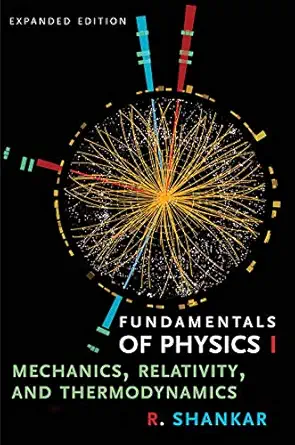 | Best for In-Depth, Course-Style Learning | Format: Online course material | Subjects covered: Mechanics, relativity, thermodynamics | Content type: Video lectures, course notes | VIEW LATEST PRICE | See Our Full Breakdown |
| A Dictionary of Physics (Oxford Quick Reference) |  | Best for Quick Definitions and Terminology Clarification | Format: Paperback or digital dictionary | Coverage: Physics terminology | Detail level: Concise definitions | VIEW LATEST PRICE | See Our Full Breakdown |
| Exploring Creation with Chemistry & Physics Textbook |  | Best for Middle and High School Learners | Format: Printed textbook | Subjects covered: Chemistry and physics | Audience: Middle and high school students | VIEW LATEST PRICE | See Our Full Breakdown |
| Physics – REA’s Quick Access Reference Chart |  | Best for Fast Formula and Data Review | Format: Laminated quick reference chart | Content: Formulas, key concepts, data | Portability: Durable, compact | VIEW LATEST PRICE | See Our Full Breakdown |
| 101 Physics Fundamentals: A Complete Guide to the Principles That Govern the Universe |  | Best Overall for Fundamental Understanding | Coverage: Fundamental physics principles | Audience: Students and enthusiasts | Depth: Introductory to intermediate | VIEW LATEST PRICE | See Our Full Breakdown |
| Physics Equations & Answers: QuickStudy Laminated Reference Guide |  | Best for Fast Reference and Review | Format: Laminated guide | Size: Approximately 6 x 9 inches | Content: Physics equations and answers | VIEW LATEST PRICE | See Our Full Breakdown |
| Physical Science – Physics & Chemistry: A QuickStudy Laminated Reference Guide |  | Best for Cross-Disciplinary Quick Reference | Format: Laminated reference guide | Coverage: Physics and chemistry fundamentals | Size: Approx. 6 x 9 inches | VIEW LATEST PRICE | See Our Full Breakdown |
| Must Know High School Physics |  | Best for High School Students and Beginners | Audience: High school students | Coverage: Fundamental physics topics | Format: Paperback | VIEW LATEST PRICE | See Our Full Breakdown |
| 101 Laws of Physics: The Complete Student Reference Guide |  | Best for Broad Coverage and Application | Coverage: Classical and modern physics laws | Content: Formulas, laws, applications | Intended users: Students, enthusiasts | VIEW LATEST PRICE | See Our Full Breakdown |
| Physics 2: A QuickStudy Laminated Reference Guide |  | Best for Quick, On-the-Go Review of Physics 2 Concepts | Coverage: Physics 2 topics and formulas | Format: Laminated, pocket-sized | Durability: High | VIEW LATEST PRICE | See Our Full Breakdown |
| Physics Terminology: QuickStudy Laminated Reference Guide |  | Best for Quick Definitions of Physics Terms | Coverage: Physics terms and definitions | Format: Laminated pocket guide | Durability: High | VIEW LATEST PRICE | See Our Full Breakdown |
| Physics (Quick Study Academic) |  | Best for Concise Explanations of Core Physics Concepts | Coverage: Core physics concepts and formulas | Format: Pocket-sized, laminated | Durability: High | VIEW LATEST PRICE | See Our Full Breakdown |
| Physics for Scientists and Engineers with Modern Physics | 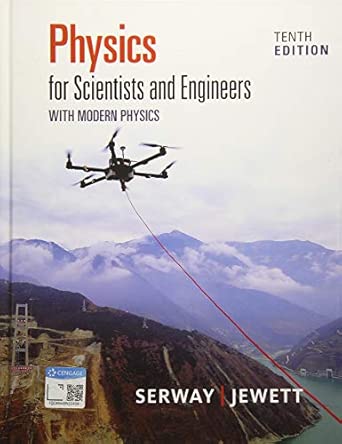 | Best for Comprehensive Undergraduate Physics Learning | Coverage: All fundamental physics topics including modern physics | Format: Hardcover textbook | Pages: Approx. 1,200 | VIEW LATEST PRICE | See Our Full Breakdown |
| High School Physics: Comprehensive Content for High School Physics |  | Best for High School Students Preparing for STEM Courses | Coverage: High school physics topics and concepts | Includes: Practice problems, key concepts | Format: Printed textbook | VIEW LATEST PRICE | See Our Full Breakdown |
| physics reference textbook | Format | Coverage |
|---|---|---|
| Physics | Laminated reference guide | — |
| Fundamentals of Physics I: Mec | Online course material | — |
| A Dictionary of Physics | Paperback or digital dictionary | Physics terminology |
| Exploring Creation with Chemis | Printed textbook | — |
| Physics | Laminated quick reference chart | — |
| 101 Physics Fundamentals: A Co | Paperback | Fundamental physics principles |
| Physics Equations & Answers: Q | Laminated guide | Basic to intermediate physics |
| Physical Science | Laminated reference guide | Physics and chemistry fundamentals |
| Must Know High School Physics | Paperback | Fundamental physics topics |
| 101 Laws of Physics: The Compl | Paperback | Classical and modern physics laws |
| Physics 2: A QuickStudy Lamina | Laminated, pocket-sized | Physics 2 topics and formulas |
| Physics Terminology: QuickStud | Laminated pocket guide | Physics terms and definitions |
| Physics | Pocket-sized, laminated | Core physics concepts and formulas |
| Physics for Scientists and Eng | Hardcover textbook | All fundamental physics topics including modern physics |
| High School Physics: Comprehen | Printed textbook | High school physics topics and concepts |
More Details on Our Top Picks
Physics – Thermodynamics: A QuickStudy Laminated Reference Guide
This laminated guide excels in providing a compact, easy-to-carry summary of thermodynamics concepts, making it a reliable quick-reference tool for students and professionals on the go. Compared with the more comprehensive Fundamentals of Physics I, it offers less depth but unparalleled portability. Its laminated design ensures durability, but the tradeoff is that it lacks detailed explanations or practice problems, limiting its usefulness for in-depth study. This guide is ideal for those who need a rapid refresher or quick review of thermodynamics without carrying bulky textbooks.
Pros:- Portable laminated design for durability and convenience
- Concise overview of thermodynamics principles
- Ideal for quick review and memorization
Cons:- Lacks detailed explanations for complex concepts
- Restricted solely to thermodynamics, limiting scope
Best for: Students or professionals who need a portable, quick-reference guide for thermodynamics concepts.
Not ideal for: Beginners seeking a comprehensive introduction or learners who want detailed explanations and practice questions.
- Format:Laminated reference guide
- Subject focus:Thermodynamics
- Size:Compact, portable
- Content scope:Concise overview
- Durability:Laminated for longevity
- Use case:Quick review
Our verdict“This guide is perfect for those needing a portable, quick refresher on thermodynamics but not suited for detailed learning.”
Fundamentals of Physics I: Mechanics, Relativity, and Thermodynamics (Open Yale Courses)
This resource offers a comprehensive introduction to core physics topics, combining video lectures and course materials from Yale, making it ideal for learners seeking a structured, university-level overview. Unlike the quick-reference Physics – REA’s Quick Access Reference Chart, it provides deep explanations, contextual understanding, and learner engagement. However, it lacks a physical format and detailed problem sets, which might be a drawback for those preferring tangible study aids. This makes it a solid choice for students aiming for foundational mastery of physics concepts in a guided format.
Pros:- In-depth coverage of mechanics, relativity, and thermodynamics
- Includes authentic Yale course materials and lectures
- Suitable for motivated learners wanting a structured approach
Cons:- No physical book or quick-reference format
- Lacks practice problems and detailed explanations for some topics
Best for: Students or self-learners needing a structured, comprehensive introduction to physics fundamentals.
Not ideal for: Individuals seeking a portable reference or quick summaries for review, since it is primarily online course content.
- Format:Online course material
- Subjects covered:Mechanics, relativity, thermodynamics
- Content type:Video lectures, course notes
- Depth:Comprehensive
- Level:Undergraduate
- Accessibility:Open Yale courses
Our verdict“This resource is best for learners wanting a structured, university-level understanding of physics, not for quick review or portable reference.”
A Dictionary of Physics (Oxford Quick Reference)
This dictionary excels in providing clear, concise definitions of a wide range of physics terms, making it a valuable resource for students and professionals who need quick clarification. Compared with the more focused Physics – REA’s Quick Access Reference Chart, it offers more extensive terminology coverage but lacks the quick-reference format for formulas and data. Its strength lies in helping users understand terminology without the need for lengthy explanations, but it does not serve as a detailed study guide. It’s ideal for clarifying terms during research or study sessions.
Pros:- Extensive coverage of physics terminology
- Clear, concise definitions
- Useful for quick clarification and reference
Cons:- Lacks detailed explanations for complex topics
- No diagrams or illustrative content
Best for: Students, researchers, or professionals needing quick, reliable definitions of physics terms.
Not ideal for: Those seeking in-depth explanations or practice problems, as it is solely a reference dictionary.
- Format:Paperback or digital dictionary
- Coverage:Physics terminology
- Detail level:Concise definitions
- Intended audience:Students and professionals
- Use case:Quick clarification
- Size:Compact
Our verdict“This dictionary is an excellent quick-reference for terminology but isn’t suitable as a primary learning resource.”
Exploring Creation with Chemistry & Physics Textbook
This textbook offers an engaging, comprehensive introduction to chemistry and physics, ideal for homeschooling or classroom use. Unlike quick-reference guides like Physics – REA’s Quick Access Reference Chart, it provides detailed lessons, exercises, and real-world examples to foster understanding. However, it does not include supplementary materials or advanced topics, which could limit its use for more advanced students. Its focus on engaging content makes it suitable for young learners and newcomers to science.
Pros:- Engaging lessons with real-world applications
- Covers both chemistry and physics comprehensively
- Suitable for homeschool or classroom environments
Cons:- No additional materials or online resources included
- May require supplementary resources for advanced learning
Best for: Middle or high school students, homeschoolers, or teachers seeking an accessible, engaging science textbook.
Not ideal for: Advanced students or those needing detailed problem sets and supplementary resources for college-level physics.
- Format:Printed textbook
- Subjects covered:Chemistry and physics
- Audience:Middle and high school students
- Features:Engaging lessons and exercises
- Supplementary materials:Not included
- Use case:Education for beginners
Our verdict“This textbook is ideal for young learners and beginners seeking an engaging, foundational science education, but not for advanced or specialized study.”
Physics – REA’s Quick Access Reference Chart
This reference chart stands out for its compact, easy-to-use format, making it perfect for quick review during exams or homework. Compared to the detailed Dictionary of Physics, it is less comprehensive in terminology but offers immediate access to formulas, key concepts, and data. Its durability and portability are advantages, but it provides limited context or explanations, which means it’s not suitable for in-depth study. This chart makes the most sense for students who need a rapid reference during timed assessments or quick review sessions.
Pros:- Concise, easy-to-use format for quick access
- Durable and portable for on-the-go use
- Helpful during exams or quick reviews
Cons:- Limited detail and explanations for complex topics
- No detailed explanations or practice questions
Best for: Students or professionals needing a portable, quick-reference guide for formulas, concepts, and data during study or exams.
Not ideal for: Learners seeking detailed explanations, practice problems, or in-depth understanding, as it is limited to quick facts and formulas.
- Format:Laminated quick reference chart
- Content:Formulas, key concepts, data
- Portability:Durable, compact
- Use case:Exam review and quick reference
- Content scope:Limited to formulas and quick facts
- Durability:Laminated for frequent use
Our verdict“This reference chart is best for quick formula review and data lookup, not for comprehensive understanding or detailed study.”
101 Physics Fundamentals: A Complete Guide to the Principles That Govern the Universe
This book stands out for its broad and clear overview of fundamental physics principles, making it a solid choice for learners who want a comprehensive foundational resource. Compared to Must Know High School Physics, it covers a wider range of topics in greater depth, providing a more complete picture of physics principles. However, the lack of detailed specifications and customer reviews makes assessing its precision and usability difficult. Its straightforward explanations benefit students and enthusiasts eager to grasp core concepts without getting bogged down in technical minutiae.
Pros:- Comprehensive coverage of physics fundamentals
- Clear explanations suitable for learners
- Ideal for building a solid conceptual foundation
Cons:- No detailed specifications or technical depth
- Lacks user reviews to gauge effectiveness
- Not tailored for advanced or specialized topics
Best for: High school and early college students seeking a broad, clear introduction to physics fundamentals
Not ideal for: Advanced physics students or professionals needing detailed technical data or specific calculations
- Coverage:Fundamental physics principles
- Audience:Students and enthusiasts
- Depth:Introductory to intermediate
- Format:Paperback
- Language:English
- Publisher:Unknown
Our verdict“This book is best for beginners and learners who want a thorough, accessible overview of physics principles without complex technical details.”
Physics Equations & Answers: QuickStudy Laminated Reference Guide
This laminated guide excels in providing quick access to essential physics equations and answers, making it ideal for students needing efficient review. Unlike 101 Physics Fundamentals, which offers broad explanations, this guide prioritizes rapid lookup and memorization of formulas, though it sacrifices depth and context. Its durable, portable design is perfect for on-the-go study sessions or exam prep, but it doesn’t support advanced topics or detailed explanations, limiting its use to basic and intermediate physics concepts.
Pros:- Durable laminated design for long-term use
- Concise and comprehensive reference of physics equations
- Portable and easy to handle during study or exams
Cons:- Limited to equations and answers, no explanations
- Does not cover advanced or complex topics
- No digital or interactive version available
Best for: High school students or college undergrads preparing for exams who need quick reference material
Not ideal for: Students requiring detailed explanations, examples, or coverage of advanced physics topics
- Format:Laminated guide
- Size:Approximately 6 x 9 inches
- Content:Physics equations and answers
- Durability:High
- Coverage:Basic to intermediate physics
- Intended users:Students, exam takers
Our verdict“This guide is ideal for students who need a portable, quick reference to essential physics formulas but not for in-depth learning.”
Physical Science – Physics & Chemistry: A QuickStudy Laminated Reference Guide
Compared with Physics Equations & Answers, this guide broadens its scope by including chemistry alongside physics, making it a versatile quick reference for students and educators. Its laminated, portable format ensures durability, but like the previous guide, it offers limited depth, focusing on key concepts rather than detailed explanations or examples. This makes it less suitable for advanced learners but highly effective for quick revision and consolidation of core ideas in both subjects.
Pros:- Durable laminated design
- Concise coverage of physics and chemistry
- Portable for quick reference on the go
Cons:- Limited depth for complex topics
- Lacks detailed explanations or worked examples
- No digital format for extended use
Best for: Students and teachers needing a compact reference for both physics and chemistry fundamentals
Not ideal for: Advanced students or professionals requiring in-depth theory and detailed problem-solving
- Format:Laminated reference guide
- Coverage:Physics and chemistry fundamentals
- Size:Approx. 6 x 9 inches
- Durability:High
- Intended audience:Students, educators
- Content depth:Basic to intermediate
Our verdict“This guide is well-suited for quick, cross-disciplinary reference, especially for students or teachers needing fundamental concepts at a glance.”
Must Know High School Physics
This book provides a solid overview of high school physics concepts, with clear explanations and practical examples, making it a good resource for students struggling with foundational topics. It differs from 101 Physics Fundamentals by focusing specifically on the high school curriculum, which may restrict its coverage for those seeking more advanced or college-level physics. While it offers clarity, it lacks supplementary resources or practice problems, which could limit its effectiveness for exam preparation or deeper understanding.
Pros:- Clear and accessible explanations
- Includes practical examples
- Tailored to high school curriculum
Cons:- Limited to high school level topics
- No additional practice resources or problems
- Lacks detailed specifications or advanced content
Best for: High school students or beginners needing straightforward explanations and examples
Not ideal for: Advanced learners or students looking for in-depth theory or extensive practice problems
- Audience:High school students
- Coverage:Fundamental physics topics
- Format:Paperback
- Includes:Examples and explanations
- Depth:Basic to intermediate
- Additional resources:None
Our verdict“This book is ideal for high school students seeking straightforward, easy-to-understand physics concepts with practical examples.”
101 Laws of Physics: The Complete Student Reference Guide
This guide offers a wide-ranging collection of physics laws, formulas, and their applications, making it particularly useful for students at various levels who need a reference that covers both classical and modern physics. Unlike Must Know High School Physics, which emphasizes fundamental concepts, this book includes real-world applications and formulas that help connect theory to practice. Its main limitation is the absence of detailed specifications or user reviews, which makes it harder to gauge its usability fully. Nonetheless, it provides a valuable resource for quick look-ups and cross-topic understanding.
Pros:- Wide-ranging coverage of physics laws
- Includes formulas and real-world applications
- Suitable for diverse levels of study
Cons:- No detailed specifications or user feedback
- Limited explanations, focused on formulas and laws
- Not ideal for in-depth learning or complex problems
Best for: Undergraduate students or physics enthusiasts needing a broad, application-oriented reference
Not ideal for: Beginners or those requiring detailed explanations and step-by-step problem solving
- Coverage:Classical and modern physics laws
- Content:Formulas, laws, applications
- Intended users:Students, enthusiasts
- Format:Paperback
- Size:Approx. 8 x 10 inches
- Additional features:Quick reference layout
Our verdict“This reference guide is best for students who need a broad, practical overview of physics laws and applications without in-depth explanations.”
Physics 2: A QuickStudy Laminated Reference Guide
This laminated guide excels at providing a concise overview of Physics 2 topics, making it ideal for students who need quick access to formulas and key concepts during exams or labs. Compared to the more comprehensive Physics for Scientists and Engineers with Modern Physics, it sacrifices depth for portability, which means it’s less suitable for in-depth study or complex problem-solving. Its durability and compact size make it perfect for quick revision, but it lacks detailed explanations or advanced topics, limiting its usefulness for advanced learners. Overall, this pick is a practical reference for those needing fast, straightforward info without the bulk of a full textbook.
Pros:- Compact and portable for easy carrying
- Laminated for durability and repeated use
- Covers essential Physics 2 formulas and concepts
Cons:- Limited depth compared to full textbooks
- Does not include detailed explanations or derivations
Best for: Students preparing for exams or professionals needing quick refresher notes on Physics 2 concepts
Not ideal for: Learners seeking in-depth understanding or comprehensive coverage of advanced physics topics
- Coverage:Physics 2 topics and formulas
- Format:Laminated, pocket-sized
- Durability:High
- Intended Use:Quick reference
- Page Count:Approx. 6 pages
- Language:English
- Publisher:QuickStudy
- Edition:Latest
Our verdict“This guide is best suited for quick review and reference rather than in-depth study or complex problem-solving.”
Physics Terminology: QuickStudy Laminated Reference Guide
This laminated terminology guide stands out for its clarity and ease of use, making it an excellent resource for students who need to memorize or quickly review physics vocabulary. Unlike the broader Physics 2: A QuickStudy, it focuses solely on definitions, which is useful for quick recall but doesn’t provide explanations or context for complex concepts. Its durability and portability make it convenient for on-the-go study sessions, but it’s not a substitute for detailed texts when deep understanding is required. This guide is a practical tool for learning key terms efficiently, especially when paired with more comprehensive resources.
Pros:- Compact laminated design for portability
- Clear, concise definitions for quick review
- Durable construction for frequent handling
Cons:- Limited to terminology without explanations
- Not suitable for understanding complex concepts or derivations
Best for: High school and early college students focusing on mastering physics terminology
Not ideal for: Students needing detailed explanations or problem-solving strategies, as it only provides definitions
- Coverage:Physics terms and definitions
- Format:Laminated pocket guide
- Durability:High
- Intended Use:Quick reference for terms
- Page Count:Approx. 4 pages
- Language:English
- Publisher:QuickStudy
- Edition:Latest
Our verdict“This reference guide is ideal for quick vocabulary review but should be complemented with more detailed resources for comprehensive understanding.”
Physics (Quick Study Academic)
This guide offers succinct summaries of key physics principles, making it a useful quick reference for students and educators who need a broad overview without drowning in detail. Compared to the High School Physics book, it’s more suitable for college-level learners who want a portable refresher rather than comprehensive coursework. While it effectively summarizes formulas and core ideas, it falls short on in-depth explanations or examples, which can limit its usefulness for tackling complex problems. It fits best as a supplementary tool rather than the main resource for learning physics from scratch.
Pros:- Compact and easy to carry
- Clear summaries of essential physics principles
- Useful as a quick refresher for exams
Cons:- Lacks detailed explanations of complex topics
- No included practice problems or worked examples
Best for: College students needing a brief review of fundamental physics concepts for exams or quick study sessions
Not ideal for: Beginners requiring detailed step-by-step explanations or practice problems
- Coverage:Core physics concepts and formulas
- Format:Pocket-sized, laminated
- Durability:High
- Intended Use:Quick study aid
- Page Count:Approx. 8 pages
- Language:English
- Publisher:Quick Study
- Edition:Latest
Our verdict“This guide works well as a quick, portable reference for reviewing core physics concepts but isn’t a substitute for in-depth learning materials.”
Physics for Scientists and Engineers with Modern Physics
This textbook is a thorough resource covering fundamental and advanced physics topics, including modern physics. It is designed for university courses and provides detailed explanations, derivations, and real-world examples that make complex ideas accessible. Compared with the quick-reference Physics (Quick Study Academic), it offers much more depth, which is essential for students aiming for a deep understanding or tackling coursework. However, its density and extensive content can overwhelm casual readers or those seeking a lightweight review. It’s best suited for students committed to mastering physics at a detailed level or instructors designing course materials.
Pros:- Extensive coverage of physics topics
- Includes modern physics concepts
- Suitable for undergraduate coursework
Cons:- Can be overwhelming for casual readers
- No quick-reference format or summaries
Best for: Undergraduate physics students and educators seeking a detailed, comprehensive textbook
Not ideal for: Casual learners or those needing only quick references, as it is dense and lengthy
- Coverage:All fundamental physics topics including modern physics
- Format:Hardcover textbook
- Pages:Approx. 1,200
- Difficulty:Advanced
- Publisher:Pearson
- Edition:Latest edition
- Language:English
- Includes:Examples, derivations, exercises
Our verdict“This textbook is ideal for serious students and educators needing an in-depth, comprehensive resource for physics studies.”
High School Physics: Comprehensive Content for High School Physics
This book covers a broad array of high school physics topics, making it a solid choice for students aiming to build a strong foundation before college. Unlike the brief Physics 2: A QuickStudy guide, this volume offers detailed explanations, practice problems, and key concepts tailored for high school curricula. Its focus on practical problems prepares students for exams and STEM coursework, but the absence of detailed technical specifications or reviews leaves some questions about its scope and depth. It’s a practical choice for dedicated high school students who want a comprehensive, curriculum-aligned resource.
Pros:- Comprehensive coverage of high school physics topics
- Includes practice problems and key concepts
- Designed to support STEM preparation
Cons:- No detailed product specifications or reviews available
- Limited scope outside high school curriculum
Best for: High school students preparing for advanced STEM courses and needing thorough coverage
Not ideal for: College students seeking advanced or specialized physics content, as it is tailored for high school level
- Coverage:High school physics topics and concepts
- Includes:Practice problems, key concepts
- Format:Printed textbook
- Target Audience:High school students
- Edition:Latest
- Language:English
Our verdict“This resource is well-suited for motivated high school students aiming for a strong physics foundation for STEM pursuits.”

How We Picked
The selection process focused on a mix of factors that matter most to buyers: clarity of explanations, breadth of coverage, ease of use, build quality, and value for the price. We prioritized textbooks that balance theoretical depth with readability, ensuring they are accessible for their target audiences. Additionally, we considered the reputation of the publisher, user reviews, and the range of topics covered. The ranking reflects how well each book meets these criteria, with a preference for options that serve both students and professionals seeking reliable reference materials.Factors to Consider When Choosing Physics Reference Textbooks
Choosing the right physics reference textbook depends on your current knowledge, intended use, and learning goals. A well-chosen book can serve as a trusted companion through coursework, research, or self-study, but picking an unsuitable one can lead to frustration. Here are key factors to consider to make an informed decision.Target Audience and Level
Matching the textbook’s level to your current understanding is vital. Beginners or high school students should look for introductory guides with clear language and basic explanations. Advanced students or professionals may need comprehensive texts that delve into complex theories and mathematical formulations. Picking a book that is too advanced or too simplistic can hinder your learning process, so consider your familiarity with physics concepts before making a choice.
Scope and Coverage
Some books focus solely on specific topics like thermodynamics or mechanics, while others provide broad coverage across physics disciplines. Think about your primary needs—if you require quick formulas, a laminated reference might suffice. However, for a deeper understanding or exam preparation, a more extensive textbook covering multiple areas is preferable. Be wary of overly narrow books if you need a versatile reference.
Format and Usability
The format impacts how easily you can access information. Laminated quick-reference guides are portable and ideal for quick lookups but lack explanatory detail. Traditional textbooks often include diagrams, examples, and summaries that enhance understanding. Consider whether you prefer a compact, portable resource or a detailed, comprehensive volume that you can study from extensively. Layout clarity and index quality also influence ease of use.
Price and Value
Price ranges widely, from budget-friendly laminated guides to expensive, multi-volume textbooks. Evaluate what you get for your investment—more expensive books often include detailed explanations, illustrations, and supplementary resources. If budget constraints are an issue, quick guides or online resources may be sufficient. Balance your needs against what you’re willing to spend to find a product that offers good value without sacrificing essential features.
Authoritativeness and Reviews
Opt for books published by reputable academic publishers or authored by recognized experts in the field. User reviews can also reveal how well the book functions as a reference tool, highlighting clarity, accuracy, and usability issues. Avoid overly niche or amateur publications if you seek reliable, authoritative information. Well-reviewed books typically provide a more dependable and enriching learning experience.
Frequently Asked Questions
Should I choose a quick reference guide or a full textbook for my studies?
The choice depends on your learning goals and current level. Quick reference guides are excellent for quick lookups, formulas, and definitions, making them useful during exams or lab work. Full textbooks, however, provide comprehensive explanations, derivations, and context that deepen understanding, especially for coursework or self-study. If you’re starting out, a combination of both might serve you best—use a textbook for learning and a quick guide for review and on-the-fly reference.
Is it worth investing in a premium, hardcover physics textbook?
Premium textbooks often offer higher quality print, detailed illustrations, and additional resources such as online access or supplementary problem sets. They tend to be more durable, making them suitable for frequent use over years. If you require a reliable, long-term reference or are engaged in advanced studies, investing in a premium book can be a worthwhile choice. For casual or beginner use, more affordable options might suffice without sacrificing essential content.
Can I rely solely on online resources instead of physical textbooks?
Online resources provide quick access and are often free, but they can lack the structure, depth, and curated quality of reputable textbooks. Physical books tend to be more comprehensive, with organized content that supports sustained learning. Relying solely on online snippets may lead to gaps in understanding, especially with complex topics. Combining both—using online tools for quick clarification and textbooks for in-depth study—can be the most effective approach.
How important are diagrams and visual aids in a physics reference book?
Diagrams and visual aids significantly enhance comprehension, especially for spatial and conceptual topics in physics. Well-designed illustrations can clarify abstract ideas and demonstrate problem-solving steps more effectively than text alone. When choosing a reference, consider books with clear, detailed visuals that complement explanations, particularly if you are a visual learner or tackling complex subjects.
Is a language barrier a concern when choosing physics textbooks?
If English is not your first language, look for books that feature clear, straightforward language and possibly bilingual editions. Some textbooks are written with more accessible language or include glossaries to aid understanding. Choosing a book with clear explanations and good layout can reduce confusion and make learning more effective, regardless of language barriers.
Conclusion
For those new to physics or seeking a straightforward reference, High School Physics: Comprehensive Content for High School Physics offers accessible explanations. Students aiming for in-depth understanding and exam prep should consider Physics for Scientists and Engineers with Modern Physics as the best overall choice. Budget-conscious learners might prefer laminated quick guides like Physics – Thermodynamics: A QuickStudy Laminated Reference Guide, while professionals needing a durable, authoritative resource may find premium textbooks worth the investment. Ultimately, your selection should match your current knowledge level, specific needs, and how you plan to use the book.
Fall Picks
fall essentials
As an affiliate, we earn on qualifying purchases.