Finding the right science reference books for students can significantly boost understanding and curiosity. The Oxford Quick Reference Dictionary of Science stands out as the best overall for its broad coverage and clarity. For those seeking engaging visuals, the Usborne Science Encyclopedia offers detailed explanations with multimedia resources. However, students and parents face tradeoffs between depth, accessibility, and price. Continue reading for a detailed breakdown of the top options and how they compare for different needs.

Prime made for students and young adults
- Fast, free delivery for dorm and study essentials
- Prime Video and Amazon Music included
- Member-only deals
Key Takeaways
- The most comprehensive options tend to be larger, multi-volume sets, which can be overwhelming but offer extensive content.
- Visual aids and multimedia features significantly enhance understanding for younger or visual learners.
- Budget-friendly books often sacrifice depth and detail but still provide useful summaries and diagrams.
- Specialized guides like quick-study laminated charts are excellent for quick reference but lack detailed explanations.
- The top-ranked books balance clarity, depth, and usability to suit a wide range of student needs and learning levels.
| A Dictionary of Science (Oxford Quick Reference) |  | Best for Concise, Reliable Definitions | Pages: 480 | Format: Paperback | Size: Small pocket-sized | VIEW LATEST PRICE | See Our Full Breakdown |
| Science Terminology (Quick Study Academic) |  | Best for Quick, Focused Term Reference | Pages: 6 laminated sheets | Size: Small, portable | Material: Laminated paper | VIEW LATEST PRICE | See Our Full Breakdown |
| The Usborne Science Encyclopedia: An In-depth Guide for Young Scientists Exploring Gravity, Flight, Genes, DNA and More, with Over 180 Video Clips and 1000 Recommended Websites for Further Learning |  | Best for Visual Learners and Young Enthusiasts | Pages: Over 200 pages | Includes: 180+ video clips | Websites: 1000+ recommended | VIEW LATEST PRICE | See Our Full Breakdown |
| Encyclopedia Of Science (Set of 8 books) |  | Best for Comprehensive, In-Depth Reference | Number of volumes: 8 | Total pages: Approx. 2000 | Format: Hardcover | VIEW LATEST PRICE | See Our Full Breakdown |
| Everything You Need to Ace Chemistry in One Big Fat Notebook. (Big Fat Notebooks) |  | Best for Middle School Chemistry Review | Pages: 400 | Format: Paperback | Publisher: Workman Publishing | VIEW LATEST PRICE | See Our Full Breakdown |
| Knowledge Encyclopedia Science |  | Best Visual Reference for Comprehensive Science Coverage | Format: Hardcover | Pages: 352 | Illustrations: Over 1,500 color images | VIEW LATEST PRICE | See Our Full Breakdown |
| Science Book, The: Everything You Need to Know About the World and How It Works |  | Best for Curious Beginners and General Knowledge | Format: Paperback | Pages: 224 | Illustrations: Minimal, mostly diagrams | VIEW LATEST PRICE | See Our Full Breakdown |
| Biology: a QuickStudy Laminated Reference Guide (Quick Study Academic) | 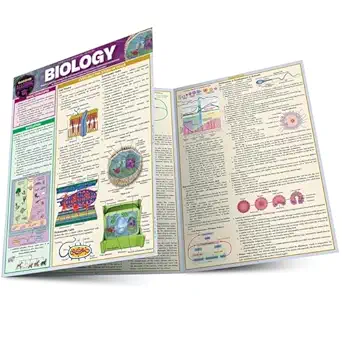 | Best Quick Reference for Biology Facts | Format: Laminated reference sheet | Pages: 6 | Size: 8.5 x 11 inches | VIEW LATEST PRICE | See Our Full Breakdown |
| Everything You Need to Ace Biology in One Big Fat Notebook |  | Best for In-Depth Study and Review | Format: Paperback | Pages: 480 | Coverage: Biology topics, exam prep | VIEW LATEST PRICE | See Our Full Breakdown |
| Chemistry: a QuickStudy Laminated Reference Guide (QuickStudy Academic) |  | Best Quick Reference for Chemistry Facts | Format: Laminated reference card | Pages: 6 | Size: 8.5 x 11 inches | VIEW LATEST PRICE | See Our Full Breakdown |
| Everything You Need to Ace Science in One Big Fat Notebook: The Complete School Study Guide (Big Fat Notebooks) |  | Best Overall | Target audience: Middle school students | Coverage: Physics, biology, chemistry, earth science | Format: Hardcover, full-color pages | VIEW LATEST PRICE | See Our Full Breakdown |
| Everything You Need To Know About Science Homework: A Desk Reference for Students and Parents |  | Best for Homework Help | Target audience: Students and parents needing quick answers | Coverage: Basic science concepts, homework tips | Format: Paperback, easy-to-navigate pages | VIEW LATEST PRICE | See Our Full Breakdown |
| Everything You Need to Ace Science in One Big Fat Notebook: The Complete Middle School Study Guide |  | Best for Middle School Exam Preparation | Target audience: Middle school students preparing for exams | Coverage: Core science topics, test strategies | Format: Hardcover, full-color pages | VIEW LATEST PRICE | See Our Full Breakdown |
More Details on Our Top Picks
A Dictionary of Science (Oxford Quick Reference)
Compared with larger encyclopedic options like the Encyclopedia Of Science, this dictionary offers quick access to clear, precise definitions that are ideal for students who need quick clarification. Its compact size makes it perfect for study guides or on-the-go references, but it lacks in-depth explanations for complex topics, which makes it less suitable for students seeking detailed understanding. The Oxford brand ensures accuracy and reliability, though it doesn’t provide multimedia or visual aids like the Usborne Science Encyclopedia. This pick is best suited for students who want a trusted, portable resource for basic terminology and quick lookups, but it might fall short for those who require more comprehensive explanations.
Pros:- Concise and easy to navigate
- Authoritative and accurate definitions
- Highly portable and durable
Cons:- Lacks detailed explanations and visuals
- Not suitable for in-depth study or complex topics
Best for: Middle and high school students needing quick, authoritative definitions for science terms.
Not ideal for: Students looking for in-depth explanations or multimedia content; this is strictly a reference tool.
- Pages:480
- Format:Paperback
- Size:Small pocket-sized
- Edition:2020
- Language:English
- Publisher:Oxford University Press
Bottom line: This dictionary is ideal for students who need quick, reliable definitions on the fly but won’t replace comprehensive textbooks.
Science Terminology (Quick Study Academic)
This laminated reference sheet excels in delivering straightforward definitions of scientific terms, making it a handy supplement alongside more detailed books like the Usborne Science Encyclopedia. While it offers rapid access to terminology, it doesn’t include explanations or context, which limits understanding for beginners. Its compact, laminated format makes it resistant to spills and tears, ideal for classroom or homework use. However, it isn’t designed for deep learning or conceptual understanding, so students who need more background may find it insufficient. This makes it a practical choice for students who already have foundational knowledge and just need to clarify terminology quickly.
Pros:- Laminated for durability
- Concise, easy-to-read format
- Ideal for quick reference during study sessions
Cons:- Limited to definitions, no explanations
- No visual aids or diagrams
Best for: High school students preparing for exams who need quick reference to scientific terms.
Not ideal for: Beginners or students seeking comprehensive explanations; this is purely a glossary.
- Pages:6 laminated sheets
- Size:Small, portable
- Material:Laminated paper
- Publisher:Quick Study
- Language:English
- Edition:Latest
Bottom line: This term-focused guide is perfect for students who need rapid clarification but isn’t suitable as a primary learning resource.
The Usborne Science Encyclopedia: An In-depth Guide for Young Scientists Exploring Gravity, Flight, Genes, DNA and More, with Over 180 Video Clips and 1000 Recommended Websites for Further Learning
Compared to the more text-heavy Encyclopedia Of Science set, this encyclopedia offers a highly engaging format with over 180 videos and links to 1000 websites, making it ideal for visual and interactive learners. Its rich multimedia content helps clarify complex topics like DNA and gravity more effectively than static texts. However, this focus on multimedia can make it less dense in information per page, which might be a drawback for students seeking a comprehensive, text-based reference. It’s best suited for younger students or those who benefit from multimedia learning and want to explore science beyond textbooks, but it may be less useful for advanced or older students needing detailed explanations without distractions.
Pros:- Extensive multimedia content with videos and links
- Engages visual and interactive learners
- Covers a wide range of science topics
Cons:- Less detailed in textual explanations
- Requires internet access for full experience
Best for: Elementary to middle school students who learn best through videos and digital resources.
Not ideal for: Older students or those needing in-depth textual explanations without multimedia distractions.
- Pages:Over 200 pages
- Includes:180+ video clips
- Websites:1000+ recommended
- Format:Hardcover
- Ages:8-12
- Publisher:Usborne
Bottom line: This encyclopedia is ideal for young learners who thrive on multimedia and interactive content but may not satisfy those seeking detailed textual reference alone.
Encyclopedia Of Science (Set of 8 books)
Compared with the more interactive Usborne Science Encyclopedia, this extensive 8-volume set offers detailed coverage across a broad range of scientific topics, making it ideal for serious students or those conducting research. Its in-depth articles and extensive illustrations provide a level of detail that surpasses most single-volume references. However, its size and depth can be overwhelming for middle school students or casual learners, and it lacks multimedia and interactive features. This set is best for dedicated students or educators who need comprehensive, authoritative information, but it might be too dense or cumbersome for quick reference or casual study.
Pros:- Extensive, detailed coverage
- Includes numerous illustrations and diagrams
- Authoritative and well-researched
Cons:- Very bulky and heavy to handle
- Lacks multimedia and interactive features
Best for: High school students, teachers, or dedicated learners seeking exhaustive coverage of science topics.
Not ideal for: Younger students or casual learners who prefer quick, visual, or simplified explanations.
- Number of volumes:8
- Total pages:Approx. 2000
- Format:Hardcover
- Publisher:Science Press
- Language:English
- Publication Year:2015
Bottom line: This multi-volume set is suited for students needing thorough, in-depth science reference material, but it may be too unwieldy for everyday quick lookups.
Everything You Need to Ace Chemistry in One Big Fat Notebook. (Big Fat Notebooks)
Compared with the broader Encyclopedia Of Science set, this Big Fat Notebook offers a focused, student-friendly guide to chemistry fundamentals, with clear explanations, mnemonics, and visuals. Its engaging format makes complex concepts approachable for middle school learners, but it sacrifices depth and breadth for simplicity. If you’re comparing it with the Science Terminology sheet, this book provides more context, examples, and structured lessons, making it better for learning than just quick lookups. However, it’s not suitable for high school students needing advanced content or detailed problem-solving guidance. This makes it an excellent choice for middle school students beginning to grasp chemistry but less so for those aiming for deeper mastery.
Pros:- Clear explanations with mnemonics
- Engaging, visually appealing layout
- Covers core chemistry concepts effectively
Cons:- Limited depth for advanced topics
- Focuses mainly on middle school curriculum
Best for: Middle school students studying chemistry who want an engaging, easy-to-understand guide.
Not ideal for: High school students or advanced learners who need extensive, detailed chemistry resources.
- Pages:400
- Format:Paperback
- Publisher:Workman Publishing
- Ages:11-14
- Language:English
- Publication Year:2018
Bottom line: This Big Fat Notebook is perfect for middle school students starting chemistry but isn’t designed for high school or advanced learners seeking detailed content.
Knowledge Encyclopedia Science
Unlike the more concise Biology: a QuickStudy Laminated Reference Guide, Knowledge Encyclopedia Science offers a richly illustrated, detailed overview across multiple scientific disciplines, making it ideal for visual learners who want a broad understanding. It excels in visual clarity and engaging graphics, but this abundance of detail can be overwhelming for students seeking quick facts or streamlined summaries. Compared to the more focused Everything You Need to Ace Biology in One Big Fat Notebook, this encyclopedia provides a wider scope, yet sacrifices some depth in each subject. This makes it better suited for students interested in a visual, all-in-one resource rather than in-depth study guides. The book’s extensive illustrations and accessible language are its main strengths, but its large size and dense layout can hinder quick reference. Best for students who prefer visually engaging, comprehensive overviews and are willing to spend time exploring broad topics. Not ideal for students needing quick facts or in-depth, subject-specific detail.
Pros:- Exceptional full-color illustrations and graphics that enhance understanding
- Wide-ranging coverage across multiple sciences in one volume
- Accessible language suitable for middle to high school students
Cons:- Large and heavy, making it less portable for on-the-go reference
- Overly detailed for quick lookups, which can be overwhelming for some students
Best for: Students seeking a visually rich, all-encompassing science reference that covers multiple disciplines
Not ideal for: Students who need quick facts, concise summaries, or focused subject-specific guides
- Format:Hardcover
- Pages:352
- Illustrations:Over 1,500 color images
- Intended Audience:Middle and high school students
- Coverage:Physics, Chemistry, Biology, Earth Science
- Language:English
Bottom line: This encyclopedia is best for learners who want a visually engaging, broad overview of science, rather than quick reference or in-depth study.
Science Book, The: Everything You Need to Know About the World and How It Works
Compared with the more detailed Knowledge Encyclopedia Science, The Science Book: Everything You Need to Know About the World and How It Works takes a more narrative approach, making complex concepts accessible to beginners. It covers a broad array of topics with engaging explanations, but it doesn’t go as deep, which might leave advanced students wanting more. While it lacks the dense visuals of the encyclopedia, its storytelling style helps demystify scientific principles effectively. It’s a good choice for students just starting out or those who want a high-level understanding without getting bogged down in technical details. However, it’s less useful for students needing quick facts or detailed diagrams, as its focus is on broad understanding rather than quick reference. Best for students new to science or looking for an engaging, readable overview. Not ideal for advanced students or those seeking detailed diagrams and in-depth coverage.
Pros:- Engaging storytelling makes complex topics accessible
- Wide coverage of scientific principles and phenomena
- Ideal for learners new to science or needing motivation to explore further
Cons:- Lacks detailed illustrations or diagrams for quick reference
- Superficial coverage may not satisfy advanced students
Best for: Beginners or middle school students exploring science concepts for the first time
Not ideal for: Students needing detailed diagrams, quick facts, or in-depth technical information
- Format:Paperback
- Pages:224
- Illustrations:Minimal, mostly diagrams
- Coverage:General science, physics, chemistry, biology
- Language:English
- Intended Audience:Middle school students and curious beginners
Bottom line: This book suits students at the start of their science journey who prefer engaging explanations over detailed technical content.
Biology: a QuickStudy Laminated Reference Guide (Quick Study Academic)
Compared with the more comprehensive Everything You Need to Ace Biology in One Big Fat Notebook, the QuickStudy Laminated Reference Guide offers a compact, portable summary of essential biology facts. Its laminated format makes it durable and easy to use in the field or classroom, but it sacrifices depth for portability. This makes it ideal for quick lookups and review, especially for students who already have a foundational understanding. While the Big Fat Notebook provides explanations and context, this guide is better suited for students who need quick facts or quick revision before tests. Its brevity means it’s less suited for in-depth learning or students new to biology without additional resources. Best for students who need a durable, quick-reference sheet for biology facts. Not ideal for learners seeking detailed explanations or comprehensive coverage.
Pros:- Laminated for durability and ease of use
- Compact size perfect for portable study or fieldwork
- Concise, focused summaries of key biology concepts
Cons:- Limited depth; not suitable for in-depth learning
- Lacks detailed diagrams or explanations found in comprehensive guides
Best for: Students who want a portable, quick-reference guide to review biology facts on the go
Not ideal for: Beginners who need detailed explanations or students wanting in-depth study
- Format:Laminated reference sheet
- Pages:6
- Size:8.5 x 11 inches
- Coverage:Biology fundamentals
- Language:English
- Intended Audience:High school students, field students
Bottom line: This laminated guide is ideal for students needing quick, durable access to essential biology facts, not for comprehensive understanding.
Everything You Need to Ace Biology in One Big Fat Notebook
Compared to the quick-reference Biology: a QuickStudy Laminated Reference Guide, this Big Fat Notebook offers detailed explanations, mnemonics, and engaging visuals that support active learning. It is designed specifically for students preparing for exams or needing a comprehensive review. While it covers a wide range of biology topics with clarity, its larger size and detailed content may be less convenient for quick lookups during exams. This guide is better suited for students who want a thorough understanding and structured review, but it might be too bulky for those seeking portability. Its strength lies in its engaging format and depth, yet it demands more time to read through than the laminated quick guide. Best for students who prefer structured, detailed review sessions and in-depth understanding. Not ideal for learners who need quick, on-the-move facts or minimalistic summaries.
Pros:- In-depth explanations with helpful mnemonics
- Engaging visuals that facilitate active learning
- Structured chapters for comprehensive review
Cons:- Bulky and less portable for quick reference
- Takes more time to read through compared to quick guides
Best for: Students preparing for biology exams or seeking comprehensive review and active learning
Not ideal for: Students who prefer quick, portable reference sheets or minimal reading
- Format:Paperback
- Pages:480
- Coverage:Biology topics, exam prep
- Illustrations:Color diagrams and charts
- Language:English
- Intended Audience:High school students preparing for exams
Bottom line: This book is best for students who want a thorough, structured review of biology and are willing to carry a larger volume.
Chemistry: a QuickStudy Laminated Reference Guide (QuickStudy Academic)
Compared with the more comprehensive Encyclopedia of Science, this laminated guide provides a focused summary of key chemistry concepts, formulas, and facts. Its laminated format makes it durable and ideal for quick lookups in labs or during study sessions. While it offers rapid access to essential information, it lacks the depth and contextual explanations that larger, more detailed books like Knowledge Encyclopedia Science or the Big Fat Notebook provide. This guide is perfect for high school students who need a portable, reliable quick-reference sheet, but it won’t replace in-depth textbooks for understanding complex topics. Its main tradeoff is between portability and depth—great for quick checks, less so for comprehensive learning. Best for students who need quick, durable access to formulas and facts in chemistry. Not ideal for students seeking detailed explanations or extensive coverage.
Pros:- Laminated for durability and frequent use
- Concise coverage of formulas, symbols, and key concepts
- Portable size for easy carrying
Cons:- Limited explanatory content, not suited for in-depth learning
- Does not cover advanced topics or detailed procedures
Best for: High school students who need a portable, quick-reference guide to chemistry formulas and facts
Not ideal for: Students who want detailed explanations or in-depth understanding of chemical concepts
- Format:Laminated reference card
- Pages:6
- Size:8.5 x 11 inches
- Coverage:Chemistry formulas, key concepts
- Language:English
- Intended Audience:High school students, lab learners
Bottom line: This laminated guide is well-suited for students needing quick, durable access to chemistry facts on the go, rather than in-depth study materials.
Everything You Need to Ace Science in One Big Fat Notebook: The Complete School Study Guide (Big Fat Notebooks)
This comprehensive guide stands out for its clear, student-friendly layout and broad coverage of science topics aligned with middle school curricula. Compared to the more specialized Everything You Need to Know About Science Homework, this notebook consolidates key concepts into an accessible format, making it ideal for students starting to build their science foundation. Its visual aids and summary boxes help reinforce learning, but the breadth sometimes sacrifices depth, leaving advanced topics glossed over. The design balances readability with detail, making it perfect for students who prefer a structured overview without overwhelming complexity.
Pros:- Clear, engaging layout with colorful illustrations
- Broad coverage suitable for middle school curricula
- Concise summaries help reinforce key concepts
- Includes practice questions and review sections
Cons:- Lacks depth for advanced topics or high-level learners
- Some explanations may oversimplify complex ideas
- Limited focus on scientific inquiry and experimental methods
Best for: Middle school students seeking a comprehensive, easy-to-navigate science review to support classroom learning.
Not ideal for: Advanced students or those seeking in-depth, detailed explanations of complex scientific theories.
- Target audience:Middle school students
- Coverage:Physics, biology, chemistry, earth science
- Format:Hardcover, full-color pages
- Size:8.5 x 11 inches
- Page count:512 pages
- Supplemental features:Practice questions, review boxes
Bottom line: This guide makes the most sense for middle school students needing a well-organized, approachable overview of science fundamentals.
Everything You Need To Know About Science Homework: A Desk Reference for Students and Parents
This desk reference excels in providing quick, straightforward answers to common science questions, making it a practical resource for both students and parents tackling homework. Unlike the Big Fat Notebooks, which focus on comprehensive review, this book emphasizes clarity and brevity, helping users find answers rapidly. Its straightforward format is ideal for reinforcing specific concepts or troubleshooting homework problems, but it lacks in-depth explanations or visuals that aid deeper understanding. Because it is more of a quick-reference guide, it’s less suitable for ongoing study or exam prep.
Pros:- Concise, answer-focused format
- Easy to use for quick reference
- Helpful for parents unfamiliar with science topics
- Covers a wide range of topics briefly
Cons:- Limited depth and explanation
- No visual aids or diagrams
- Less effective for comprehensive learning or test prep
Best for: Parents assisting elementary or middle school children with science homework or students needing quick clarifications.
Not ideal for: Students preparing for exams or seeking thorough, detailed explanations of scientific concepts.
- Target audience:Students and parents needing quick answers
- Coverage:Basic science concepts, homework tips
- Format:Paperback, easy-to-navigate pages
- Size:6 x 9 inches
- Page count:256 pages
- Features:Quick answers, tips for parents
Bottom line: This reference makes sense for parents and students who need fast, clear answers for homework help rather than in-depth study.
Everything You Need to Ace Science in One Big Fat Notebook: The Complete Middle School Study Guide
This edition tailors the comprehensive approach of the original Big Fat Notebook series specifically for middle school students aiming for exam success. Compared with the general Complete School Study Guide, it offers more targeted review sections, sample questions, and test-taking strategies, making it highly practical for exam prep. While it shares the same engaging visuals and clear layout, it tends to focus more on test readiness than on exploring scientific inquiry deeply. Its structure is ideal for review before assessments but may fall short for students seeking deeper conceptual understanding outside of exam context.
Pros:- Focused on exam strategies and review
- Includes practice questions and quizzes
- Accessible layout with visual aids
- Specifically tailored for middle school standards
Cons:- Less emphasis on scientific inquiry or experimental design
- Limited coverage of advanced topics
- Primarily review-oriented, not exploratory
Best for: Middle school students preparing for science tests and needing a structured review guide.
Not ideal for: Students seeking advanced or college-level science content, or those interested in in-depth scientific research methods.
- Target audience:Middle school students preparing for exams
- Coverage:Core science topics, test strategies
- Format:Hardcover, full-color pages
- Size:8.5 x 11 inches
- Page count:480 pages
- Features:Practice questions, review summaries
Bottom line: This guide is best suited for middle schoolers who want a targeted, exam-focused review of science concepts.
How We Picked
The selected products were evaluated based on content accuracy, readability, visual presentation, and educational value. We prioritized books that are appropriate for a range of student ages and learning stages, from middle school to high school. Ease of use, durability, and supplemental features such as multimedia or online resources also influenced the ranking. Our goal was to identify books that provide reliable information while remaining accessible and engaging for students, ensuring a mix of comprehensive and user-friendly options.Factors to Consider When Choosing Science Reference Books For Students
When choosing a science reference book for students, consider several key factors that influence how well the book will serve its purpose. The right book should match the student’s age and skill level, offer accurate and up-to-date information, and be engaging enough to encourage exploration. Additional considerations include format, ease of use, and supplemental features. Being aware of these factors helps avoid common pitfalls, such as selecting overly complex texts or books that lack visual aids, which can hinder learning and motivation.Content Depth and Accuracy
Make sure the book covers the topics relevant to your child’s curriculum or interests, and that the information is accurate and current. A book that is too simplistic won’t challenge advanced students, while overly technical books may intimidate beginners. Look for books authored or reviewed by credible scientists or educators, ensuring reliable content across science disciplines.
Usability and Layout
Clear headings, organized chapters, and visual aids like diagrams and charts make complex concepts easier to grasp. Laminated quick-reference guides are excellent for fast lookups, but they lack in-depth explanations. Avoid books cluttered with dense text and poor formatting, as they can discourage frequent use and hinder comprehension.
Visual and Multimedia Features
Illustrations, videos, and online resources can greatly enhance understanding, especially for visual or kinesthetic learners. The Usborne encyclopedia, for example, integrates multimedia elements, making science more engaging. However, these features may come at a higher cost, so weigh their benefits against your budget and the student’s learning style.
Price and Value
While comprehensive, multi-volume sets are valuable, they can be expensive and bulky. Conversely, smaller guides or laminated sheets are more affordable but less detailed. Consider how often the student will use the resource—frequent use justifies a higher investment, while occasional reference might warrant a more economical choice.
Durability and Format
For students handling books regularly, durability matters. Laminated guides resist spills and wear, while hardcover editions tend to last longer. Portability is also key—compact guides are easier to carry for on-the-go studying, but larger volumes often contain more comprehensive information.
Frequently Asked Questions
Should I choose a single comprehensive science reference or multiple specialized books?
Choosing between a single comprehensive book and multiple specialized ones depends on the student’s needs and learning style. A comprehensive book offers broad coverage, making it easier to find information in one place, especially for middle school or general science studies. However, specialized books can provide more depth on specific topics like biology or chemistry, which may benefit advanced students or those with particular interests. Consider the student’s current curriculum, curiosity level, and how much space or budget you have for multiple resources.Are visual aids essential in a science reference book for students?
Visual aids such as diagrams, charts, and illustrations significantly improve comprehension, especially for visual learners or complex topics. They help break down abstract concepts into understandable parts and can make learning more engaging. While some concise guides may forgo detailed visuals for portability, including visual elements generally enhances the overall educational value. If the student struggles with text-only explanations, prioritize books with rich visual content.Is it worth investing in digital or multimedia-supported science books?
Digital and multimedia-supported books can offer dynamic explanations, videos, and interactive features that deepen understanding. These resources often update easily and provide supplementary online content. However, they may require devices or internet access, which can be a limiting factor. For students who benefit from multimedia learning or need quick references, digital options can be a valuable addition, but they should complement rather than replace traditional books.How important is the age or grade level when selecting a science reference book?
Matching the book’s complexity to the student’s age or grade level ensures the material is neither too simple nor overwhelming. Books designed for middle school students typically introduce core concepts clearly, while high school books delve deeper into scientific theories and math applications. Always check the recommended grade level and sample content to gauge whether the book aligns with the student’s current understanding and academic needs.Should I prioritize price over comprehensiveness when choosing a science reference book?
Price is an important factor, but it shouldn’t compromise the quality and usefulness of the resource. Inexpensive books might lack depth or accuracy, limiting their long-term value. Conversely, investing in a well-reviewed, comprehensive book can pay off by providing reliable information and lasting usability. Consider your child’s current curriculum, the frequency of use, and whether the book can grow with their learning to determine the best value.Conclusion
For parents of younger students or beginners, the Big Fat Notebooks series offers accessible and engaging overviews that encourage curiosity without overwhelming. Those seeking a highly detailed yet user-friendly resource might prefer the Oxford Dictionary of Science for its breadth and clarity. Advanced students or those requiring quick, on-the-spot references could benefit from laminated guides like Science Book, The. Budget-conscious buyers should consider multi-volume sets or condensed guides, while premium options are best suited for dedicated science enthusiasts or homeschoolers aiming for comprehensive coverage. Ultimately, the best choice depends on the student’s age, learning style, and specific goals.
Halloween Picks
halloween
As an affiliate, we earn on qualifying purchases.