Science kits for kids range from simple kitchen chemistry sets to electronics labs and digital microscopes, and the right pick depends heavily on your child’s age, attention span, and how much mess you’re willing to clean up. The National Geographic Amazing Chemistry Set earns my top spot for its combination of 100+ experiments, clear instruction quality, and reusable equipment that outlasts the included consumables. For younger children, the Doctor Jupiter My First Science Kit (Ages 4+) is the standout beginner option, while the Snap Circuits Jr. SC-100 is the best choice if you want screen-free electronics learning rather than chemistry. The main tradeoffs in this category are experiment count versus experiment depth, guided safety versus independent exploration, and one-time consumable kits versus reusable gear. Keep reading for the full breakdown of all 15 kits.

Prime made for students and young adults
- Fast, free delivery for dorm and study essentials
- Prime Video and Amazon Music included
- Member-only deals
Key Takeaways
- Experiment counts are often inflated: the National Geographic Amazing Chemistry Set and Earth Science Kit deliver more genuinely distinct activities than similarly sized UNGLINGA kits that repeat variations of the same base experiment.
- Doctor Jupiter’s Ages 4+ kit is the only option in this lineup truly safe for preschoolers, but kids over 8 will outgrow it within a few sessions.
- Snap Circuits Jr. is the only reusable, open-ended kit here — every chemistry-based option is limited by consumables that run out.
- The BMDSAE handheld digital microscope solves a different problem than the experiment kits: sustained solo exploration rather than one-off activities.
- National Geographic’s instruction booklets and safety framing are consistently clearer than budget brands, which matters more for independent play than for parent-supervised sessions.
| Doctor Jupiter My First Science Experiments Kit for Kids Ages 4+ |  | Best for Younger Kids | Age Range: 4 years and up | Number of Experiments: 100+ | Included Components: Beakers, conical flask, goggles, tray, food colors, and experiment booklet | VIEW LATEST PRICE | See Our Full Breakdown |
| UNGLINGA 150 Experiments Science Kit for Kids – Chemistry Lab STEM Toys | 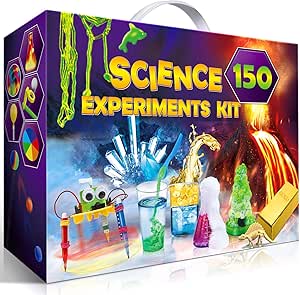 | Best Variety | Number of Experiments: 150 | Recommended Age: 8 years and up | Topics Covered: Chemistry, physics, earth science, surface tension | VIEW LATEST PRICE | See Our Full Breakdown |
| Butterfly EduFields DIY 2-in-1 Catapult STEM Kit |  | Best Focused Physics Project | Age Range: 8 years and up | Projects: 2 catapult designs | Material: Wood | VIEW LATEST PRICE | See Our Full Breakdown |
| BMDSAE 1000X Handheld Digital Microscope for Kids with 2.0-Inch IPS Screen |  | Best Tech Pick | Magnification: Up to 1000X | Display: 2.0-inch IPS screen | Camera: 2MP photo and AVI video | VIEW LATEST PRICE | See Our Full Breakdown |
| UNGLINGA 40+ Experiments Science Kit for Kids |  | Best Starter Value | Number of Experiments: 40+ | Recommended Age: 8 years and up | Signature Projects: Bouncy balls, lava lamps | VIEW LATEST PRICE | See Our Full Breakdown |
| Kuovei Science Kit for Kids: 80 Experiments |  | Best Lab-Style Starter Set | Brand: Kuovei | Experiments: 80 | Recommended Age: Over 6 years | VIEW LATEST PRICE | See Our Full Breakdown |
| National Geographic Magic Chemistry Set for Kids, 10 Experiments, Ages 8–12 |  | Best for Reluctant Scientists | Brand: National Geographic | Experiments: 10 | Recommended Age: 8–12 years | VIEW LATEST PRICE | See Our Full Breakdown |
| National Geographic Gross Science Kit with 45 Experiments for Kids Ages 8–12 |  | Best Hook for Gross-Out Humor Fans | Brand: National Geographic | Experiments: 45 total: 15 with included materials and 30 using household items | Recommended Age: 8–12 years | VIEW LATEST PRICE | See Our Full Breakdown |
| Doctor Jupiter My First Science Experiments Kit for Kids Ages 4+ |  | Best for Preschoolers | Brand: Doctor Jupiter | Age Range: 4 years and up | Number of Experiments: 50+ | VIEW LATEST PRICE | See Our Full Breakdown |
| National Geographic Science Magic Kit for Kids |  | Best Magic-and-Science Value | Brand: Blue Marble (National Geographic) | Age Range: 8 years and up | Experiments Included: 20 magic experiments | VIEW LATEST PRICE | See Our Full Breakdown |
| National Geographic Earth Science Kit with 100+ Activities for Kids | 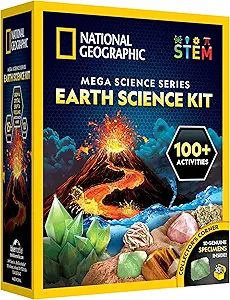 | Best for Earth Science Variety | Brand: Blue Marble (National Geographic) | Age Range: 8 years and up | Activities: 100+ experiments and activities | VIEW LATEST PRICE | See Our Full Breakdown |
| Snap Circuits Jr. SC-100 Electronics Kit, 100+ Projects, Ages 8+ |  | Best for Future Engineers | Model: SC-100 | Recommended Age: 8 years and up | Projects: 100+ | VIEW LATEST PRICE | See Our Full Breakdown |
| National Geographic Junior Chemistry Set with 50 Experiments |  | Best for Preschool Scientists | Age Range: 4 years and up | Experiments: 50 | Lab Tools: 20+ | VIEW LATEST PRICE | See Our Full Breakdown |
| UNGLINGA 70-Experiment Science Kit for Kids |  | Best Budget Variety Pack | Brand: UNGLINGA | Experiments: 70 | Recommended Age: 8 years and up | VIEW LATEST PRICE | See Our Full Breakdown |
| National Geographic Amazing Chemistry Set, 100+ Experiments, Ages 8–12 |  | Best Real Lab Equipment | Brand: Blue Marble (National Geographic) | Age Range: 8 years and up (targeted 8–12) | Experiments: 15 with included materials, plus 85 bonus experiments | VIEW LATEST PRICE | See Our Full Breakdown |
| science kits for kid | Brand |
|---|---|
| Doctor Jupiter My First Scienc | Doctor Jupiter |
| UNGLINGA 150 Experiments Scien | UNGLINGA |
| Butterfly EduFields DIY 2-in-1 | Butterfly EduFields |
| BMDSAE 1000X Handheld Digital | — |
| UNGLINGA 40+ Experiments Scien | UNGLINGA |
| Kuovei Science Kit for Kids: 8 | Kuovei |
| National Geographic Magic Chem | National Geographic |
| National Geographic Gross Scie | National Geographic |
| Doctor Jupiter My First Scienc | Doctor Jupiter |
| National Geographic Science Ma | Blue Marble (National Geographic) |
| National Geographic Earth Scie | Blue Marble (National Geographic) |
| Snap Circuits Jr. SC-100 Elect | — |
| National Geographic Junior Che | Blue Marble (National Geographic) |
| UNGLINGA 70-Experiment Science | UNGLINGA |
| National Geographic Amazing Ch | Blue Marble (National Geographic) |
More Details on Our Top Picks
Doctor Jupiter My First Science Experiments Kit for Kids Ages 4+
Most science kits in this roundup draw the line at age 8, which leaves preschool parents with few options. Doctor Jupiter lowers the entry age to 4 without dumbing down the experience — kids get real lab gear like beakers, a conical flask, and safety goggles sized for small hands. Where the UNGLINGA 150 Experiments Kit leans on chemistry for older children, this one favors visual, low-risk experiments like Water Fireworks and Walking Water that pay off fast and hold short attention spans.
The tradeoff is depth. Compared with the National Geographic Earth Science Kit’s 100+ activities, the science here is more demonstrative than investigative, and adult supervision is non-negotiable at this age. Still, ASTM F963-17 compliance and food-grade materials make it the safest starting point on this list.
Pros:- Age-appropriate design starting at 4 years old with real lab equipment
- Over 100 experiments with food-grade, ASTM F963-17 compliant materials
- Well-illustrated manuals that non-reading kids can follow with an adult
- Backed by a 100% satisfaction guarantee
Cons:- Requires constant adult supervision for younger children
- Some experiments need extra household materials not in the box
- Science content is surface-level compared with kits for older kids
Best for: Parents of children ages 4-7 who want a safe, supervised introduction to science before age-8 kits become appropriate
Not ideal for: Families with kids over 8 — the experiments will feel too simple, and chemistry-focused kits like the UNGLINGA 150 offer more challenge
- Age Range:4 years and up
- Number of Experiments:100+
- Included Components:Beakers, conical flask, goggles, tray, food colors, and experiment booklet
- Materials:Food-grade essences, additives, and colors
- Safety Standard:ASTM F963-17
- Brand:Doctor Jupiter
Our verdict“If you’re buying for a curious 4-to-6-year-old, this is the kit that meets them where they are — everyone else should move up an age bracket.”
UNGLINGA 150 Experiments Science Kit for Kids – Chemistry Lab STEM Toys
When the question is sheer breadth, nothing else in this lineup matches 150 experiments — that’s 50% more than the National Geographic Amazing Chemistry Set and nearly double the Doctor Jupiter kit. Because the experiments span chemistry, physics, earth science, and surface tension, this is the pick for a kid whose interests haven’t settled yet; a weekend of volcano projects can flow into density towers without buying anything new.
The catch is that variety comes at the cost of polish. The National Geographic kits feel more curated experiment-by-experiment, while UNGLINGA relies on common household items to stretch the count, so a pantry run is often part of the prep. The illustrated manual keeps things followable, but the age-8 floor is real — younger sibs will have to watch from the sidelines.
Pros:- Largest experiment count in the roundup at 150 projects
- Spans multiple science disciplines rather than one topic
- Illustrated step-by-step manual and included goggles
- Stretchable with cheap household items for repeat experiments
Cons:- Many experiments require household materials not included
- Quality per experiment is less consistent than smaller curated kits
- Limited to ages 8 and up
Best for: Kids 8 and up with broad curiosity who want the longest runway of experiments per dollar and don’t mind gathering household supplies
Not ideal for: Children under 8, or families who want every material included — expect frequent kitchen scavenger hunts
- Number of Experiments:150
- Recommended Age:8 years and up
- Topics Covered:Chemistry, physics, earth science, surface tension
- Includes:Lab tools, safety goggles, illustrated manual
- Brand:UNGLINGA
- Manufacturer Part Number:HZDZKH038
Our verdict“The best pick when you want maximum experiments and topic variety for an older child, provided you accept some supply-gathering legwork.”
Butterfly EduFields DIY 2-in-1 Catapult STEM Kit
This is the opposite philosophy from the UNGLINGA 150 Experiments Kit: instead of many shallow activities, it goes deep on one physics concept. Building two different catapult designs forces kids to grapple with force, trajectory, angles, and momentum in a way a one-page experiment never does — and the finished catapults keep firing long after the “learning” is technically over. Compared with Snap Circuits Jr., which teaches electronics through structured projects, this teaches physics through something kids actually want to do: launch things across the room.
The obvious tradeoff is lifespan. Where the National Geographic Earth Science Kit offers 100+ activities, this delivers one build session plus open play. Assembly is required and wooden components mean it can’t survive truly rough treatment. But as a single-project gift under ten dollars-ish territory, the learning-per-minute is hard to beat, and no batteries keeps it endlessly playable.
Pros:- Two distinct catapult designs teach different physics principles
- Deep, repeatable hands-on learning rather than one-off demos
- No batteries required — works anywhere, forever
- Compact wooden build encourages construction and problem-solving skills
Cons:- Single-project scope offers far less total content than multi-experiment kits
- Requires assembly that may frustrate impatient builders
- Wooden construction is less durable than plastic alternatives
Best for: Kids 8 and up who learn best by building one thing well, and parents who want a screen-free afternoon project with lasting play value
Not ideal for: Families wanting long-term variety — this is one project, not a library of experiments like the UNGLINGA or Doctor Jupiter kits
- Age Range:8 years and up
- Projects:2 catapult designs
- Material:Wood
- Batteries:Not required
- Dimensions:3.94 x 3.15 x 0.79 inches
- Brand:Butterfly EduFields
Our verdict“A focused, high-engagement physics build that outshines big kits on depth — just don’t expect months of new experiments.”
BMDSAE 1000X Handheld Digital Microscope for Kids with 2.0-Inch IPS Screen
Every other product here is consumable — experiments run out, chemicals get used up. This microscope is a durable tool instead of a kit, and that changes the value equation entirely. Kids can magnify up to 1000X, capture photos and video with the built-in 2MP camera, and transfer finds to a computer over USB-C. The 2.0-inch IPS screen means no squinting through an eyepiece, a real advantage over traditional toy microscopes, and eight adjustable LEDs make dim subjects actually visible.
It’s not a chemistry experience at all — if your child wants fizzing reactions, the National Geographic Amazing Chemistry Set is the better direction. The two-hour battery life limits marathon backyard sessions, and manual focus takes practice for younger users, so expect a learning curve. But for a kid who wants to observe the world rather than mix it, this stands alone in this roundup.
Pros:- Reusable tool rather than consumable kit — no experiment limit
- Built-in screen and camera let kids capture photos and videos
- Eight adjustable LEDs with three brightness modes for clear viewing
- USB-C file transfer and one-year warranty
Cons:- Up to 2 hours of battery life limits extended sessions
- Manual focusing frustrates younger or impatient kids
- Doesn’t include prepared slides or specimen activities to get started
Best for: Curious explorers who want a lasting observation tool for backyard bugs, leaves, and fabrics — with photo capability to document findings
Not ideal for: Kids who want classic experiment-style chemistry fun, or very young children who will struggle with manual focusing
- Magnification:Up to 1000X
- Display:2.0-inch IPS screen
- Camera:2MP photo and AVI video
- Lighting:8 adjustable LEDs, 3 brightness modes
- Battery:600mAh rechargeable, up to 2 hours
- Connectivity:USB-C data transfer
- Warranty:1 year
Our verdict“The pick for observation-driven kids who’ll outgrow one-and-done kits — as long as a parent helps past the focusing learning curve.”
UNGLINGA 40+ Experiments Science Kit for Kids
Not every family needs 150 experiments on day one. This kit is the low-commitment entry point — 40+ activities like bouncy balls and lava lamps that deliver the classic wow moments without the volume (or pantry demands) of its bigger sibling, the UNGLINGA 150 Experiments Kit. It also undercuts the National Geographic Junior Chemistry Set’s 50 experiments on scale, but what it loses in count it makes back in approachability: the illustrated instructions and household-item format mean a first-time science-kit family can start immediately.
The tradeoffs are real, though. Common household items are still needed, and kids who burn through experiments quickly will exhaust this in a few weekends where the Doctor Jupiter or Earth Science kits would keep going. Think of it as a trial run before a bigger investment — if the lava lamp sparks interest, upgrade later.
Pros:- Lower-commitment introduction with 40+ engaging experiments
- Classic high-interest projects like bouncy balls and lava lamps
- Illustrated step-by-step instructions easy for beginners
- Encourages creativity, observation, and problem-solving
Cons:- Smallest experiment count among UNGLINGA’s offerings
- Some common household items not included
- Limited longevity for enthusiastic young scientists
Best for: First-time science-kit buyers testing the waters, or gift-givers who want a solid, affordable intro without committing to a 100+ experiment set
Not ideal for: Kids who already love science and devour activities — they’ll finish this quickly and want the UNGLINGA 150 or National Geographic kits instead
- Number of Experiments:40+
- Recommended Age:8 years and up
- Signature Projects:Bouncy balls, lava lamps
- Includes:Experiment materials and illustrated instructions
- Brand:UNGLINGA
- Manufacturer Part Number:HZDZKH52
Our verdict“A sensible first science kit for gauging interest — just plan to upgrade if the lava lamp is a hit.”
Kuovei Science Kit for Kids: 80 Experiments
This option stands out for bringing the full laboratory experience home: goggles, gloves, test tubes, petri dishes, droppers, and measuring cups all come in the box, which most competing kits skip. With 80 guided experiments ranging from a rainbow fountain to an erupting volcano, it offers more variety than the National Geographic Magic Chemistry Set (10 experiments) while keeping instructions kid-friendly on illustrated cards that explain both steps and principles. Compared with the Doctor Jupiter kit, this one skews slightly older and more chemistry-focused. The tradeoff is that some experiments involve chemical materials that demand careful adult supervision, and the stated age range is inconsistent across the listing, so parents of younger children should double-check before buying.
Pros:- 80 experiments provide exceptional variety and replay value
- Includes real lab gear: goggles, gloves, test tubes, petri dishes, and droppers
- Guidance cards explain both the steps and the science behind each experiment
- Introduces basic scientific principles through hands-on exploration
Cons:- Some experiments use chemical materials that require careful handling and supervision
- Recommended age is inconsistent between the description and product details
Best for: Kids ages 6 and up who want a genuine chemistry-lab feel with real equipment like test tubes and safety goggles
Not ideal for: Households wanting a fully independent activity — chemical-based experiments require close adult supervision and careful handling
- Brand:Kuovei
- Experiments:80
- Recommended Age:Over 6 years
- Included Components:Goggles, chemical materials, petri dishes, measuring cups, test tubes, gloves, droppers, balloons, and other supplies
- Manufacturer Part Number:MYJ886-A
- Number of Items:1
Our verdict“A strong pick for families who want maximum experiment count with authentic lab equipment, provided an adult is on hand for the chemical activities.”
National Geographic Magic Chemistry Set for Kids, 10 Experiments, Ages 8–12
The genius of this set is framing: it presents chemistry as magic tricks first, science second, which works well for kids who resist anything labeled ‘educational.’ The ten experiments — making a coin float, changing the color of water — are theatrical by design, and the included magic wand and white gloves turn each activity into a performance. Compared with the Kuovei 80-experiment kit, the experiment count is far lower, but every trick is polished and stage-ready rather than diluted across dozens of activities. The illustrated guide explains the science behind each trick, so the learning sticks after the show ends. The main tradeoff is scope: at ten experiments, kids may exhaust it within a few weekends, and the 8–12 age band limits its appeal for older siblings who want something meatier.
Pros:- Combines chemistry experiments with magic tricks for a performance angle
- Magic wand and gloves add theatrical role-play value
- Illustrated guide explains the science behind each trick
- All tools needed for the experiments are included
Cons:- Only 10 experiments, so replay value is limited
- Narrow 8–12 age range may exclude younger or older siblings
Best for: Kids ages 8–12 who love performing and showing off, especially those who need a hook to get interested in science
Not ideal for: Families seeking long-term value — ten experiments run out quickly compared with larger kits
- Brand:National Geographic
- Experiments:10
- Recommended Age:8–12 years
- Included Accessories:Magic wand and white gloves
- Guide:Illustrated instructions with science explanations
- Set Type:Magic-themed chemistry set
Our verdict“The right choice when the goal is winning over a science-skeptic through showmanship rather than maximizing experiment count.”
National Geographic Gross Science Kit with 45 Experiments for Kids Ages 8–12
Some kids tune out at ‘polymers’ but lean in at ‘slime and oozing things’ — this kit leans hard into that instinct. It includes materials for 15 gross-themed experiments plus a booklet with 30 more using common household items, and the illustrated guide sneaks in real STEM concepts like chemical reactions and pH science beneath the ick factor. Compared with the Doctor Jupiter kit, which targets ages 4 and up with gentler activities, this one is deliberately edgier and better suited to the 8–12 crowd. The honest tradeoff: only 15 of the 45 experiments actually have materials in the box, so the rest depend on your pantry, and the gross theme is divisive — kids who prefer classic experiments like those in the National Geographic Earth Science Kit may find the gimmick tiresome.
Pros:- 45 total experiments: 15 with included materials and 30 using household items
- Introduces real STEM concepts like polymers, chemical reactions, and pH science
- Illustrated, kid-friendly instructions are easy to follow independently
- Household-item experiments extend the kit well beyond the boxed contents
Cons:- Only 15 experiments include materials; the other 30 require you to supply items
- Gross theme will not appeal to every child
Best for: Kids ages 8–12 who love slime, goo, and bathroom humor and need that hook to engage with real chemistry
Not ideal for: Squeamish kids or parents who dislike messy, gross-themed activities — and buyers expecting materials for all 45 experiments
- Brand:National Geographic
- Experiments:45 total: 15 with included materials and 30 using household items
- Recommended Age:8–12 years
- Instruction Format:Illustrated, kid-friendly instructions
- STEM Concepts Covered:Polymers, chemical reactions, pH science
- Availability:Amazon exclusive
Our verdict“A smart buy for gross-out-obsessed kids who will absorb genuine chemistry while they’re too busy laughing to notice.”
Doctor Jupiter My First Science Experiments Kit for Kids Ages 4+
Most science kits start at age 6 or 8, which leaves preschoolers watching from the sidelines — this one closes that gap with 50+ hands-on experiments designed for ages 4 and up, including making oobleck, volcanoes, and dinosaur squishies. The activities prioritize sensory play and discovery over precise chemistry, a fundamentally different approach than the Kuovei kit, which uses real chemical materials better saved for older kids. Safety is handled thoughtfully: the kit meets the ASTM F963-17 toy safety standard, and the illustrated step-by-step manual is written so a grown-up can walk a young child through each activity as screen-free entertainment. The tradeoff is independence — this is not a kit a four-year-old works through alone, so parents should expect to be lab partners for most sessions rather than observers.
Pros:- Age-appropriate entry point starting at 4 years old, younger than most kits
- More than 50 hands-on activities including oobleck, volcanoes, and dinosaur squishies
- Complies with ASTM F963-17 toy safety standards
- Illustrated step-by-step manual supports shared parent-child learning
Cons:- Most experiments need adult assistance, so it is not self-directed play
- Activities prioritize fun over depth, so older kids may outgrow it quickly
Best for: Parents of children ages 4–6 who want a safe, supervised introduction to STEM before age-8 kits become appropriate
Not ideal for: Buyers hoping for independent play — nearly every experiment requires an adult’s hands-on help
- Brand:Doctor Jupiter
- Age Range:4 years and up
- Number of Experiments:50+
- Instruction Format:Illustrated, step-by-step manual
- Safety Standard:ASTM F963-17
- Activity Style:Screen-free, hands-on STEM exploration
Our verdict“The clear choice for families with preschoolers who want safe, screen-free STEM time together before graduating to chemistry-focused kits.”
National Geographic Science Magic Kit for Kids
Think of this as the bigger sibling of the National Geographic Magic Chemistry Set: it doubles the included experiments to 20 magic-themed activities and adds a bonus booklet with more than 85 additional experiments, giving it the largest total experiment count of any magic-focused kit in this roundup. Like its smaller counterpart, it blends magic tricks with chemistry and hands-on STEM, but the sheer volume here makes it better suited to kids who will actually work through a kit over months rather than a single weekend. The scope also makes it a reasonable alternative to the UNGLINGA 150-experiment kit for families who value presentation and polish over raw count. The tradeoff is that the bonus booklet’s experiments largely rely on gathering your own materials, and the magic framing may feel gimmicky to kids who want straightforward lab work.
Pros:- Includes materials for 20 magic experiments, double the smaller Nat Geo magic set
- Bonus booklet adds more than 85 additional experiments
- Combines magic, chemistry, and hands-on STEM in one set
- Long-lasting value for kids who work through kits slowly
Cons:- Most bonus-booklet experiments require you to supply your own materials
- Magic framing may feel gimmicky to kids wanting straightforward science
Best for: Kids ages 8 and up who love magic and want a kit with enough experiments to last through many weekends
Not ideal for: Kids who want pure lab chemistry without theatrical framing, or families unwilling to source materials for the booklet experiments
- Brand:Blue Marble (National Geographic)
- Age Range:8 years and up
- Experiments Included:20 magic experiments
- Bonus Booklet:85+ additional magic experiments
- Set Name:Mega Science Kit
- Model Number:NGMEGAMAGIC
- UPC:816448027680
Our verdict“The best pick for magic-loving kids who need a kit that keeps performing long after the first trick is revealed.”
National Geographic Earth Science Kit with 100+ Activities for Kids
Most kits in this roundup lean heavily on chemistry, but this one stands out by branching into geology, volcanology, and crystal growing, which makes it the strongest pick for a kid who has already done the baking-soda volcano elsewhere and wants broader Earth science exposure. Compared with the UNGLINGA 70-Experiment Kit, the full-color learning guide here does more heavy lifting, explaining the science behind each activity rather than just the steps. The tradeoff is familiar to National Geographic kits: the packaging promises 100+ activities, but only around 15 are true hands-on experiments with included materials, so buyers expecting a hundred distinct projects may feel shortchanged. Still, the quality of instruction and specimen variety justify its place for curious geologists-in-training.
Pros:- Covers geology, volcanoes, and crystal growing rather than just chemistry
- Full-color learning guide explains the science behind each activity
- Clear instructions support independent exploration for ages 8+
- Activities are shareable with family, friends, or classmates
Cons:- Actual hands-on experiment count falls well short of the 100+ on the box
- Overlaps with volcano and crystal activities found in cheaper kits like UNGLINGA’s 70-experiment set
Best for: Kids ages 8 and up who are fascinated by rocks, volcanoes, and crystals rather than pure chemistry
Not ideal for: Parents expecting literally 100+ distinct experiments — the core hands-on count is closer to 15, with the rest being activity variations
- Brand:Blue Marble (National Geographic)
- Age Range:8 years and up
- Activities:100+ experiments and activities
- Set Name:Earth Science Kit
- Model Number:NGMEGAEARTH
- Educational Objective:STEM
- Included Components:Experiments, activities, and learning guide
Our verdict“A smart pick for young Earth science fans who value instructional depth over raw experiment count.”
Snap Circuits Jr. SC-100 Electronics Kit, 100+ Projects, Ages 8+
Every other kit in this lineup is built around chemistry reactions or mess, which makes the Snap Circuits Jr. SC-100 a genuinely different animal: it teaches real electrical circuitry through color-coded, snap-together components and an illustrated manual with 100+ buildable projects. Because there’s no soldering and no tools required, an 8-year-old can progress from a simple circuit to working gadgets without adult intervention — something the reaction-based National Geographic chemistry sets can’t claim, since those need supervision. The build quality is also more durable and reusable than single-use experiment kits. Tradeoffs exist, though: it requires batteries, the projects are electronics-focused rather than general science, and component counts vary across product listings, which can make value comparisons frustrating.
Pros:- Teaches genuine circuitry through 100+ buildable projects
- Color-coded, numbered parts make assembly approachable for kids
- No soldering or extra tools required
- Components are reusable, unlike single-use experiment kits
Cons:- Requires batteries that must be supplied separately
- Component counts differ across product descriptions, creating uncertainty about contents
Best for: Hands-on kids ages 8+ who like building things and want a reusable, mess-free introduction to electronics
Not ideal for: Families seeking a general-purpose science kit with chemistry variety — this is circuits only, and it needs batteries on hand
- Model:SC-100
- Recommended Age:8 years and up
- Projects:100+
- Tools Required:None
- Soldering Required:No
- Batteries:Required (not focused on chemistry experiments)
- Included Items:Plastic snap-grid, electrical components, project manual
Our verdict“The clear choice if your goal is electronics fundamentals rather than fizzing, bubbling chemistry.”
National Geographic Junior Chemistry Set with 50 Experiments
Most chemistry kits in this roundup — including the Amazing Chemistry Set and the UNGLINGA 70-Experiment Kit — start at age 8, leaving younger siblings out. This junior set fills that gap with an age-4-and-up design, 20+ child-safe lab tools, and illustrated step-by-step instructions that read more like picture directions than a lab manual. Compared with the Doctor Jupiter My First Science kit, another preschool option in this guide, the National Geographic branding brings a more polished instructional design and a larger tool assortment. The main tradeoff is that the 50 experiments lean on common household items you’ll need to supply yourself, so the out-of-box experience depends on what’s already in your pantry. Simple chemical concepts also mean less wow-factor for older kids.
Pros:- Designed for children as young as 4, rare among chemistry kits
- 20+ child-friendly lab tools including test tubes and goggles
- Illustrated step-by-step instructions suit pre-readers with adult help
- 50 experiments provide weeks of varied activities
Cons:- Many experiments require household items not included in the box
- Too simple for kids who have outgrown introductory science sets
Best for: Parents of kids ages 4–7 who want a safe, gentle introduction to chemistry before graduating to bigger kits
Not ideal for: Kids 8 and older — the experiments are too basic to hold their attention compared with age-8+ chemistry sets
- Age Range:4 years and up
- Experiments:50
- Lab Tools:20+
- Included Components:Test tubes, goggles, and other lab tools
- Brand:Blue Marble (National Geographic)
- Model Number:NGJRCHEMT
- Educational Objective:STEM
Our verdict“The best on-ramp to chemistry for the preschool crowd, as long as you’re willing to raid the kitchen pantry.”
UNGLINGA 70-Experiment Science Kit for Kids
Where the National Geographic Earth Science Kit goes deep on geology and the Snap Circuits Jr. goes deep on electronics, this UNGLINGA set takes the opposite approach: breadth on a budget. Its 70 experiments span crystal growing, volcano eruptions, balloon rockets, and fruit circuits, mixing chemistry with physics-style builds so kids sample multiple STEM disciplines before you invest in a specialty kit. Compared with UNGLINGA’s own 150-experiment set elsewhere in this roundup, this one is the lighter entry point with fewer consumables to store. The catch is the flip side of variety — nothing goes very deep, and several experiments involve chemical reactions that require careful adult supervision, so it’s not a hand-it-over-and-walk-away kit despite its 8+ rating. Illustrations help, but the science explanations are thinner than National Geographic’s guides.
Pros:- 70 experiments span chemistry, physics, and engineering-style builds
- Covers diverse activities like fruit circuits and balloon rockets
- Illustrated instructions explain both steps and science concepts
- Affordable way to sample multiple STEM disciplines
Cons:- Chemical-reaction experiments require careful adult supervision
- Science explanations are shallower than National Geographic’s learning guides
Best for: Budget-conscious families who want maximum experiment variety to help a kid discover which branch of science they love
Not ideal for: Hands-off parents of impulsive kids — multiple chemical-reaction experiments demand active supervision
- Brand:UNGLINGA
- Experiments:70
- Recommended Age:8 years and up
- Set Name:Comprehensive Science Experiment Set
- Model Number:HZDZKH030
- Educational Focus:STEM and chemistry
- Packs:1
Our verdict“A wide-but-shallow sampler best used to find out which science topic deserves a deeper, pricier kit later.”
National Geographic Amazing Chemistry Set, 100+ Experiments, Ages 8–12
This kit earns its spot by including actual labware — test tubes, beakers, and pipettes — rather than the plastic cups and pouches typical of the UNGLINGA 70-Experiment Kit, which makes a kid feel like a real chemist and keeps the gear useful after the boxed experiments run out. The honest math matters here: only 15 experiments come with included materials, while the advertised 100+ total depends on a bonus guide of 85 additional experiments built around household items. Compared with the National Geographic Junior Chemistry Set, this one targets ages 8–12 with more sophisticated reactions like color-changing solutions and crystal trees. That household-item dependency is the key tradeoff — repeated play requires planning and shopping, and the included-material experiments are consumed quickly.
Pros:- Includes genuine lab equipment: test tubes, beakers, and pipettes
- 15 included-material experiments feature engaging reactions like color-changing solutions
- Bonus guide adds 85 household-item experiments for extended use
- Lab tools remain reusable well beyond the included experiments
Cons:- Only 15 experiments include materials; the other 85 rely on household supplies
- Included-material experiments get used up quickly relative to the kit’s scale
Best for: Kids ages 8–12 who want authentic lab tools and parents willing to stock household supplies for extended play
Not ideal for: Buyers expecting 100+ ready-to-run experiments out of the box — only 15 include materials, so prep work is constant
- Brand:Blue Marble (National Geographic)
- Age Range:8 years and up (targeted 8–12)
- Experiments:15 with included materials, plus 85 bonus experiments
- Included Tools:Test tubes, beakers, and pipettes
- Set Name:Amazing Chemistry Set
- Model Number:NGMEGACHEMAR
- Educational Objective:STEM
Our verdict“The best pick for a young chemist who wants real labware, provided you’re comfortable supplying pantry ingredients for most experiments.”

How We Picked
I evaluated each kit against four factors that actually shape whether a science kit gets used past week one. Experiment quality over quantity came first: a kit with 45 genuinely distinct experiments beats one with 100 near-duplicates. Age-appropriate independence mattered second, because a kit a child can’t run without constant adult help becomes a parent project. Instruction clarity and safety framing separated the National Geographic sets from budget brands with thinner manuals and vaguer supervision guidance. Finally, I weighed longevity — whether the equipment survives after the consumables run out, which is where Snap Circuits and the digital microscope pull ahead of every chemistry option.
The ranking reflects a simple logic: kits that balance depth, clarity, and replay value sit at the top, while kits that trade distinct experiments for headline numbers land lower. Budget kits like the UNGLINGA and Kuovei options still earn their place for value-focused buyers — they just serve a different household than the premium picks.
| science kits for kid | Brand |
|---|---|
| Doctor Jupiter My First Scienc | Doctor Jupiter |
| UNGLINGA 150 Experiments Scien | UNGLINGA |
| Butterfly EduFields DIY 2-in-1 | Butterfly EduFields |
| BMDSAE 1000X Handheld Digital | — |
| UNGLINGA 40+ Experiments Scien | UNGLINGA |
| Kuovei Science Kit for Kids: 8 | Kuovei |
| National Geographic Magic Chem | National Geographic |
| National Geographic Gross Scie | National Geographic |
| Doctor Jupiter My First Scienc | Doctor Jupiter |
| National Geographic Science Ma | Blue Marble (National Geographic) |
| National Geographic Earth Scie | Blue Marble (National Geographic) |
| Snap Circuits Jr. SC-100 Elect | — |
| National Geographic Junior Che | Blue Marble (National Geographic) |
| UNGLINGA 70-Experiment Science | UNGLINGA |
| National Geographic Amazing Ch | Blue Marble (National Geographic) |
Factors to Consider When Choosing Science Kits For Kids
Before picking a science kit, it helps to understand the structural differences between kit types — a choice that matters more than any single brand comparison below.
Match the Kit Type to Your Child’s Curiosity
Chemistry kits, electronics kits, microscopes, and build-your-own machines teach different skills and fail in different ways. Chemistry sets deliver dramatic, memorable reactions but die when the powders run out. Electronics kits like Snap Circuits are quieter but effectively permanent, since components can be rebuilt into new projects indefinitely. A microscope is a tool, not a curriculum — it suits kids who already collect bugs, leaves, or rocks and want to look closer. A common mistake is buying the kit the parent finds exciting rather than the one matching the child’s existing interest; an experiment-hungry kid will be bored by circuit diagrams, and a builder will find chemistry repetitive.
Age Ratings Are Floors, Not Suggestions
Manufacturer age ratings reflect safety and supervision assumptions more than engagement ceilings. Ages 4+ kits rely on parent involvement, while 8–12 kits assume independent reading and fine motor control. Buying up a tier to ‘grow into’ usually backfires — an 8+ chemistry kit handed to a 6-year-old becomes a parent-executed demo the child watches. Buying down is often the smarter error: a simpler kit a child masters alone builds more confidence than a complex one they need help with. The kits in this lineup with the widest realistic age windows are the build-based options, since difficulty scales with the project chosen.
Supplies, Refills, and the Hidden Cost of Consumables
Most parents underestimate how quickly powder packets and test strips disappear, especially with siblings sharing a kit. Before buying, check whether refills are sold separately or whether the kit relies on common household items like vinegar, baking soda, and food coloring for its best experiments — kits that do tend to survive far longer. Also check what equipment is reusable: test tubes, stands, and magnifiers carry over to homemade experiments after the official supplies are gone. A kit that is 90% consumable is a weekend purchase; a kit with durable components is a year of use.
Instruction Quality Determines Independent Play
The single biggest predictor of whether a kit gets used without a parent hovering is the manual. Look for step-by-step photo instructions with expected results shown, plus a short explanation of the science behind each activity — not just the recipe. Kits that explain ‘why it worked’ turn a magic trick into a lesson; kits that skip the why produce five minutes of fizz and no retention. This is also where brand differences show up most: premium lines typically invest in illustrated booklets with troubleshooting notes, while budget kits often ship thin, translation-rough pamphlets.
Mess, Supervision, and Your Household Reality
Be honest about where experiments will happen. Volcanoes, slime, and color-change reactions mean dye stains and spills, and several kits in this category genuinely require outdoor space or a protected table. Kits involving chemicals or heat demand active adult supervision regardless of what the box implies, so a ’60 experiments’ box can really mean ’60 supervised sessions.’ If your schedule can’t support that, a self-contained electronics or microscope kit trades spectacle for independence — a reasonable swap for many families.
Gifting versus Home Use
If the kit is a gift, experiment count and box presentation matter more, because the first impression happens before anyone knows the manual is thin. For your own child, the calculus flips: replay value and refillability beat the initial unboxing. Gift-givers should also watch for duplicate risk — chemistry kits are a common birthday present, so a differentiated pick like a microscope or catapult build avoids the shelf of three identical volcano sets.
Frequently Asked Questions
Are big experiment-count kits actually better value?
Often not. Several 100+ experiment kits in this category count color or quantity variations of the same reaction as separate experiments, so a child exhausts real variety in a dozen sessions. A kit with 45 genuinely distinct activities typically sustains interest longer than a 150-count box built on repetition. The way to tell is to look at whether the manual describes different scientific principles per activity or just different additives to the same one. Experiment count is a marketing number; principle count is the real figure, and it’s almost always smaller.
What’s the right science kit for a 4- to 6-year-old?
At this age, safety and simplicity outrank ambition. The Doctor Jupiter Ages 4+ kit works because its experiments use food-grade materials and produce fast, visible results that hold short attention spans. Kids this age don’t need explanations of molecular reactions — they need cause and effect they can trigger themselves. Resist 8+ chemistry kits even for advanced children, since fine-motor steps like measuring precise powder amounts cause frustration rather than learning. Plan to be present for every session regardless of the box’s claims.
Do chemistry kits expire or go bad?
The chemicals do degrade, though slowly. Powder reagents like citric acid and baking soda combinations stay usable for a couple of years if kept dry and sealed, but color tablets and indicator solutions fade faster. This matters most if you’re buying ahead for a birthday months away or storing a half-used kit — seal packets tightly and keep them away from humidity. It’s another argument for kits that lean on household staples: vinegar and baking soda never expire, so those experiments stay repeatable indefinitely.
Snap Circuits or a chemistry kit — which teaches more science?
They teach different things, and the honest answer depends on your child. Snap Circuits builds systems thinking, cause-and-effect debugging, and electrical intuition, and it never runs out of supplies — a child can design projects beyond the manual. Chemistry kits teach observation, measurement, and reaction science with far more sensory drama, which is what hooks many kids initially. If a child already takes apart gadgets or asks how things work, circuits win. If they mix shampoo bottles in the sink, chemistry is the safer bet for engagement.
Is a digital microscope a good substitute for an experiment kit?
Only for a specific kind of kid. A handheld microscope like the BMDSAE model rewards self-directed curiosity — a child who already collects specimens will use it for months, examining fabric, insects, and leaves without any adult setup. But it provides no structure, no activities, and no ‘wow’ reactions, so a child expecting guided experiments will find it dull quickly. It works best as a second science purchase after a starter kit has revealed what kind of learner your child is, or as a companion tool for a nature-obsessed kid.
How much supervision do these kits really need?
More than the packaging suggests, for anything chemical. Realistically, budget one supervised session structure for every experiment involving powders, dyes, or reactions — plan for setup, execution, and cleanup together. Electronics and build kits need far less: Snap Circuits is genuinely independent for most 8-year-olds once they can follow the diagrams. The microscope is the most independent option in this entire lineup. If your goal is a activity a child does solo while you cook dinner, choose circuits or magnification, not chemistry.
Conclusion
For most families, the National Geographic Amazing Chemistry Set is the best overall pick — it balances experiment depth, instruction quality, and age range better than anything else compared here. Best value goes to the UNGLINGA 150-Experiment kit, which trades some manual polish for sheer volume at a budget price point. The National Geographic Earth Science Kit is the best premium choice for variety beyond chemistry alone, and the Doctor Jupiter Ages 4+ kit is the clear beginner pick for preschool siblings who can’t touch anything else on this list. For specific needs: Snap Circuits Jr. for the reusable, screen-free electronics learner, the BMDSAE digital microscope for the self-directed nature explorer, and the Butterfly EduFields Catapult kit for a build-first kid who’d rather engineer a machine than mix a solution. Whatever you choose, match the kit to the child in front of you — not the one on the box.
Halloween Picks
halloween
As an affiliate, we earn on qualifying purchases.