
TL;DR

Prime made for students and young adults
- Fast, free delivery for dorm and study essentials
- Prime Video and Amazon Music included
- Member-only deals
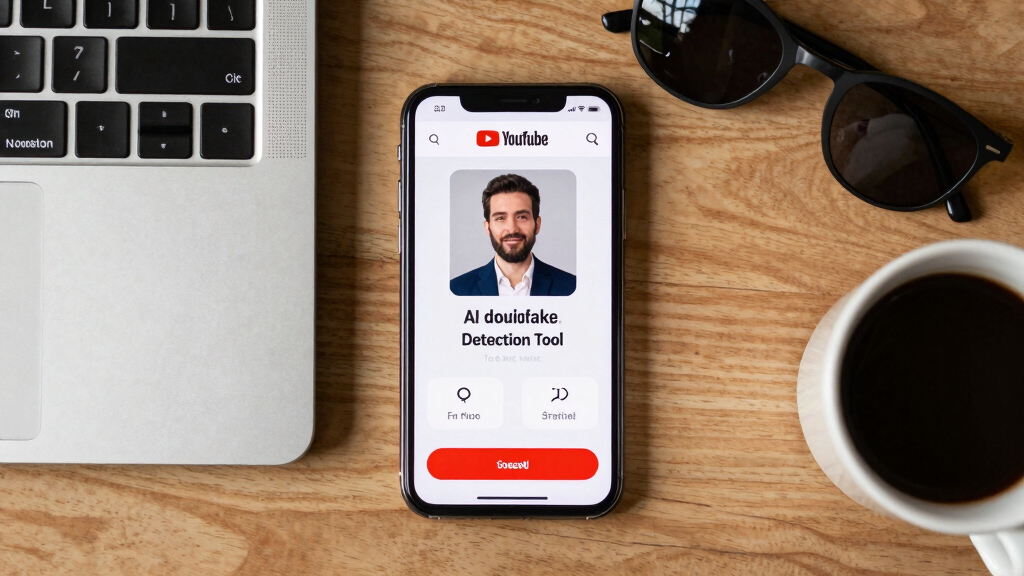
YouTube has announced that its AI deepfake detection tool is now available to all creators aged 18 and older. Previously limited to partners and certain officials, the tool helps users identify and request removal of videos that misuse their likenesses. This expansion aims to improve content safety and creator control on the platform.
YouTube has announced the widespread availability of its AI deepfake detection tool for all creators aged 18 and over, enabling them to identify videos that use their likenesses without permission. This move aims to give creators more control over their images and combat malicious AI-generated content.
The tool was first previewed in 2024 and initially launched for YouTube Partner Program members, including monetized creators with at least 1,000 followers and sufficient watch hours. It was later extended to journalists and politicians before this recent expansion. Creators can access the tool through YouTube Studio by verifying their identity with a government ID and a selfie video. Once enrolled, the system scans uploaded videos for matches to their likeness and displays potential matches for review. Creators can then submit requests for removal and specify how their likeness was used. The tool does not detect voice impersonation, but it can flag videos that potentially misuse a creator’s image.
Why It Matters
This development matters because it enhances individual control over AI-generated content that may misrepresent or harm creators’ reputations. It also provides a mechanism for users to address unauthorized use of their likenesses, which is increasingly relevant as AI-generated videos become more sophisticated and widespread. For the platform, this move could set a precedent for content moderation and creator protection in the era of AI deepfakes.
Popular right now

Bose QuietComfort True Wireless Earbuds with Active Noise Cancellation, Black

KitchenAid Artisan 5-Qt Tilt-Head Stand Mixer – Dried Rose (KSM150PS)

Shark Rotator Lift-Away Upright Vacuum, White/Red (NV501)
As an affiliate, we earn on qualifying purchases.
Background
In 2024, YouTube previewed its AI likeness detection tool, initially limited to select groups such as verified creators and officials. By late 2025, the platform announced the tool’s broader availability, reflecting growing concerns over AI misuse. As AI-generated videos become more convincing, platforms face pressure to provide better tools for content verification and creator protection. The expansion aligns with broader industry efforts to combat misinformation and unauthorized content use.
“With this expansion, we’re making clear that whether creators have been uploading to YouTube for a decade or are just starting, they’ll have access to the same level of protection.”
— YouTube spokesperson Jack Malon
What Remains Unclear
It is not yet clear how effective the AI detection tool will be against highly sophisticated deepfake videos or voice impersonations, as it currently only scans for visual likeness. The accuracy and false-positive rates of the system remain unconfirmed, and how YouTube will handle disputes or false matches is still to be clarified.
What’s Next
Next steps include monitoring the adoption rate among creators, evaluating the tool’s effectiveness, and possibly expanding its capabilities to detect voice deepfakes. YouTube may also introduce additional features or guidelines based on user feedback and technological advances.
Key Questions
How do I access the AI likeness detection tool?
Creators can access the tool through YouTube Studio by verifying their identity with a government ID, submitting a selfie video, and enrolling in the ‘Likeness’ feature under ‘Content detection.’
Can the tool detect voice deepfakes?
No, the current version of the tool only scans for visual likeness. YouTube asks if a video has copied a creator’s voice, but it does not detect voice deepfakes automatically.
Will this tool prevent all AI-generated misuse of my likeness?
While it improves detection, no system is perfect. Highly sophisticated deepfakes may evade detection, and the effectiveness of the tool is still being evaluated.
What happens after I identify a video that uses my likeness?
You can review the video and submit a removal request to YouTube, providing details on how your likeness was used. YouTube will then evaluate the request based on its policies.