
TL;DR
Get ready for Prime Big Deal Days — try Prime free
Exclusive member deals on October 6–7, plus fast free delivery. Cancel anytime.
Start your free trialAs an affiliate, we earn on qualifying purchases.
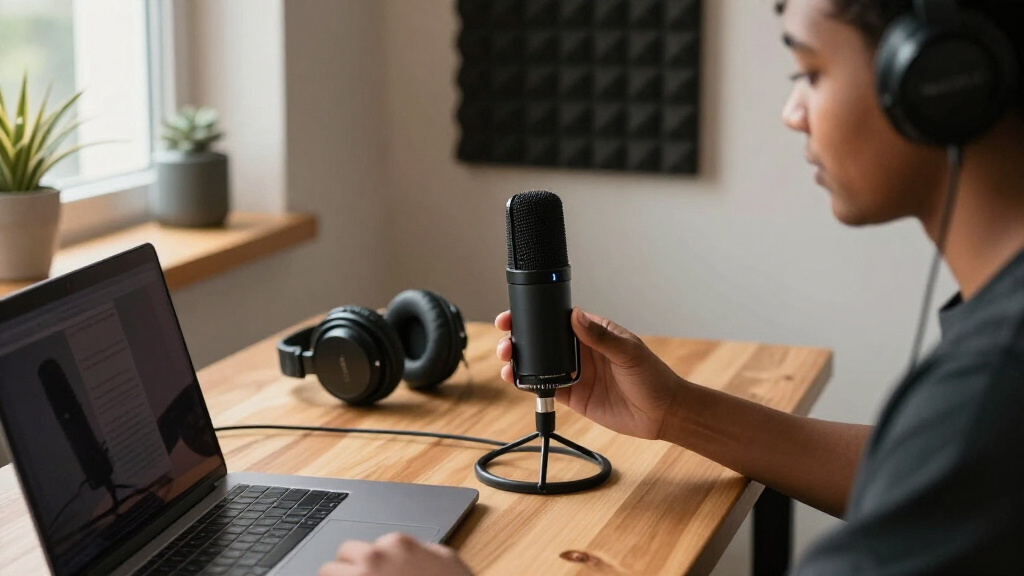
In 2026, leading USB microphones now incorporate artificial intelligence to improve sound clarity, noise cancellation, and ease of use. This development offers significant benefits for streamers, podcasters, and content creators, though some features remain in early stages.
Several top audio equipment manufacturers have unveiled new USB microphones embedded with artificial intelligence capabilities in 2026, promising enhanced sound quality and smarter noise reduction. You can find detailed analysis in the original analysis. These innovations are designed to meet the demands of streamers, podcasters, and content creators seeking professional-grade audio with simplified controls. The integration of AI marks a significant shift in personal recording technology, with companies like Logitech, Rode, and Blue Microphones leading the charge.
Leading brands such as Logitech, Rode, and Blue Microphones have introduced models equipped with AI-driven features like adaptive noise cancellation, automatic gain adjustment, and real-time sound optimization. To learn more about AI’s impact on audio tech, see how AI will change gaming in 2026. These microphones leverage machine learning algorithms to analyze ambient noise and user voice patterns, adjusting settings dynamically for clearer audio. For example, Logitech’s new Blue Yeti X AI Edition uses AI to distinguish between speech and background noise, providing a more consistent recording experience.
In addition to AI features, these microphones retain core functionalities like multiple pickup patterns, plug-and-play connectivity, and customizable controls. Some models also incorporate smart software that learns user preferences over time, offering personalized sound profiles. The products are compatible with popular streaming and recording platforms, emphasizing ease of use and versatility.
While the technology promises significant improvements, experts note that AI integration in microphones is still evolving. For insights into AI’s broader societal impacts, visit the role of AI in Ukraine’s digital resistance. Early models may have limitations in complex acoustic environments or require software updates to refine performance. Nonetheless, the overall reception highlights a trend toward smarter, more adaptive audio hardware in the consumer and professional markets.
The 9 picks
- 1
 Logitech Blue Yeti USB Microphone for PC, Mac, Gaming, Recording, Streaming,…View on Amazon →
 - 2
 NEEWER UM01 AI Noise Canceling USB Microphone, Cardioid Condenser with RGB Li…View on Amazon →
 - 3
 TONOR Conference USB Microphone, Omnidirectional Condenser PC Mic G11View on Amazon →
 - 4
 Aokeo AK-10 USB/XLR Dynamic Desktop Microphone for Gaming, Podcast, Streaming…View on Amazon →
 - 5
 FIFINE K669B USB Microphone, Condenser Recording Mic for Vocals, MeetingsView on Amazon →
 - 6
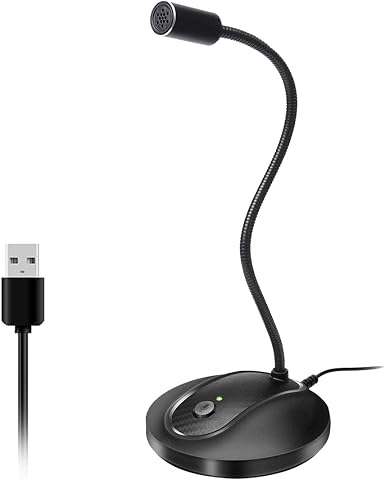 USB Microphone with Adjustable Gooseneck, Mute Button, and Noise-Canceling Te…View on Amazon →
 - 7
 CMTECK Conference USB Microphone, Plug-and-Play Omnidirectional Desktop MicView on Amazon →
 - 8
 CMTECK USB Computer Microphone G009, Noise-Cancelling Desktop Mic for PC/Lapt…View on Amazon →
 - 9
 Plug & Play USB Computer Microphone with Flexible Gooseneck and Mute ButtonView on Amazon →
Implications of AI-Enhanced Microphones in 2026
The incorporation of artificial intelligence into USB microphones represents a notable advancement in audio technology, offering users clearer sound and reduced background noise without extensive manual adjustments. For streamers and podcasters, this means higher-quality content with less technical hassle, potentially elevating their production standards. The trend also indicates a move toward more intuitive, self-optimizing devices that adapt to different environments and user needs, broadening accessibility for beginners and professionals alike.
However, the reliance on AI raises questions about privacy, data security, and software updates, which manufacturers are actively addressing. The evolution of these features could influence future audio hardware designs, pushing competitors to innovate further and integrate more sophisticated AI capabilities into everyday devices.
2026 Innovations in USB Microphone Technology
Prior to 2026, USB microphones primarily focused on sound quality, ease of use, and affordability. Models like the Logitech Blue Yeti and FIFINE K669B set industry standards for performance and value. The integration of AI marks a new phase, driven by advancements in machine learning and digital signal processing.
Manufacturers began experimenting with AI features in niche products around 2024, but 2026 has seen these capabilities become mainstream in consumer-grade microphones. This shift is partly motivated by the surge in home recording, remote work, and content creation, which demand higher audio standards and smarter hardware solutions.
Industry analysts note that the adoption of AI in USB microphones aligns with broader trends in smart devices, where automation and personalization enhance user experience. The new models are expected to influence both professional audio markets and casual users seeking studio-quality sound at home.
“Our new AI-enabled microphone is designed to learn from your environment and voice, providing a consistently clear and natural sound experience.”
— Mark Johnson, CEO of Blue Microphones
Limitations and Challenges of AI Microphones in 2026
While AI-enhanced USB microphones are promising, their performance in complex acoustic environments remains under evaluation. Early models may struggle with echo, multi-speaker scenarios, or rapidly changing noise conditions. Additionally, the long-term reliability of AI features and the need for software updates pose potential challenges. Privacy concerns regarding data collection for AI processing are also emerging as issues that manufacturers are beginning to address, but comprehensive solutions are still developing.
Future Developments and Market Adoption of AI Microphones
Manufacturers are expected to continue refining AI algorithms to improve noise suppression and sound clarity. Upcoming models may incorporate more advanced machine learning techniques, enabling even greater personalization and adaptability. Industry analysts predict wider adoption across professional audio, gaming, and remote work sectors, with integration into broader smart home and office ecosystems. Consumer feedback and technological advancements will shape the next wave of AI-enabled microphones, potentially setting new standards for personal and professional audio quality.
Key Questions
How do AI features improve USB microphone performance?
AI features enable microphones to automatically adjust gain, suppress background noise, and optimize sound quality in real-time, providing clearer and more consistent audio without manual tweaking.
Are AI-enabled microphones suitable for professional studio use?
While they offer significant improvements for casual and semi-professional use, high-end studio recordings may still prefer XLR microphones with dedicated audio interfaces for maximum control and fidelity. However, AI microphones are rapidly closing the gap in quality and ease of use.
Will AI features require regular software updates?
Yes, most AI-enabled microphones will likely need periodic updates to improve algorithms, fix bugs, and enhance security. Manufacturers are expected to provide ongoing support as the technology develops.
Are there privacy concerns with AI microphones?
Some concerns exist regarding data collection and processing for AI features. Reputable manufacturers typically process data locally or anonymize it, but users should review privacy policies and settings to ensure their data is protected.
What is the cost difference between standard and AI-enhanced USB microphones?
AI-enabled models generally cost more, often ranging from 20% to 50% higher than comparable non-AI models, reflecting their advanced features and technology investments.
Source: ThorstenMeyerAI.com
Fall yard work Picks
leaf blowers
As an affiliate, we earn on qualifying purchases.